TL;DR

Get pool and patio gear delivered free — and shop member deals
- Fast, free delivery on millions of items
- Access to Prime Big Deal Days deals on October 6–7
- Prime Video, Amazon Music and more included
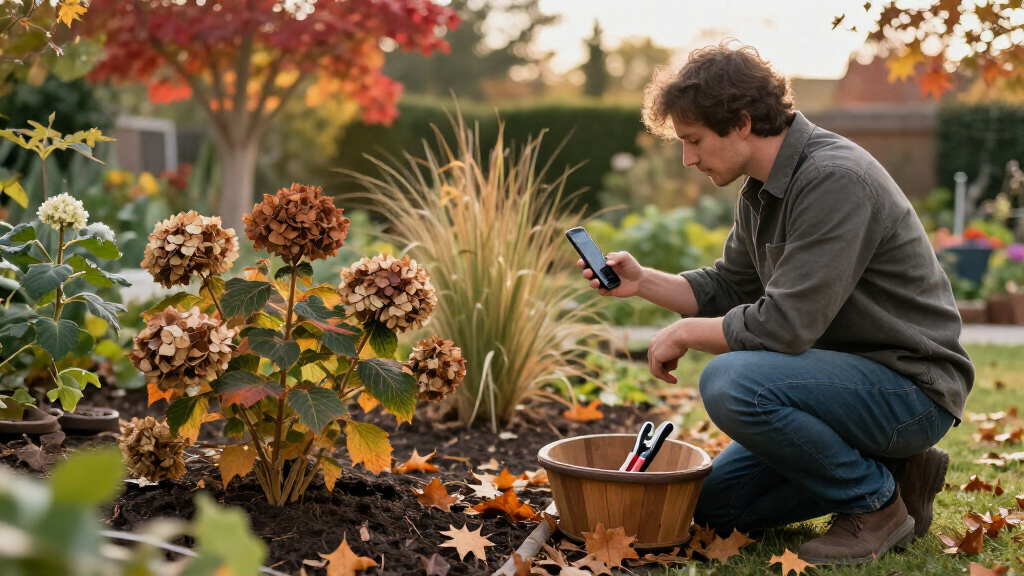
A guide from Planet Natural recommends photographing your garden in 12 specific ways before fall cleanup, arguing that the images preserve evidence of shade patterns, irrigation faults, crowding and pest damage that gardeners forget by spring. Each photo is meant to answer one planning question, organized into a five-folder system for next season’s decisions.
Gardening resource Planet Natural has published a guide recommending that gardeners take 12 targeted photos before starting fall cleanup, arguing that the images capture evidence — shade patterns, irrigation leaks, crowding and pest damage — that is routinely forgotten by spring planting time. The method requires only a phone camera and a short walk, and each photo is paired with one specific planning decision for next year’s garden.
The guide’s core claim is that fall is when a garden is easiest to misremember. According to the report, by spring a crowded corner becomes “the sunny bed,” a struggling zucchini is remembered as “a bad variety,” and an irrigation leak is forgotten entirely. A photo walk before plants are pulled turns the current season into usable design evidence.
The 12-photo audit includes: entry views from each place the gardener regularly enters the garden; an overhead or elevated shot of the whole garden; morning shade and afternoon shade photos taken on separate passes; gaps and bare soil; overcrowded plants before they are cut back; irrigation hardware while still visible, including hose routes, drip lines and emitters; runoff or persistently dry soil; pest and disease symptoms with both close-up and whole-plant context; supports such as trellises and cages; the best-performing plant or combination; and a harvest photo with a scale reference such as a basket or hand.
Each photo is assigned a single planning question — for example, whether a plant needs more morning light, whether a support should be replaced, or whether a crop earned its space. The guide advises adding short written notes immediately after the walk, such as “tomatoes shaded after 3 p.m.” or “drip line leaks at bed corner,” and cautions gardeners to distinguish observations from hypotheses: a yellow leaf is an observation, while “this bed needs more fertilizer” is a conclusion that may require a soil test.
Why Fall Photos Beat Spring Memory
The method addresses a practical problem most gardeners recognize: the conditions that determine success — hours of direct sun, soil moisture, drainage and spacing — are only fully visible while plants are still in the ground. Once cleanup removes the evidence, spring planning relies on memory, which the guide says is unreliable for details like light shifts and irrigation faults.
The approach also has a budget dimension. The guide says the 12 photos reveal what to move, repair, repeat and stop buying, which can prevent repeat purchases of plants suited to conditions a gardener does not actually have. It requires no special equipment, journaling habit or editing workflow, lowering the barrier for gardeners who have failed to keep traditional records.
How the Five-Folder System Works
After the walk, the guide recommends creating one folder named with the year and “Fall Garden Audit,” containing five numbered subfolders: 01_Sun and Views (entry views, overhead shots, morning and afternoon shade) for placement and path decisions; 02_Layout and Planting (gaps, crowding, best performers) for spacing and succession planting; 03_Water and Soil (irrigation routes, runoff, dry zones, mulch) for repairs and drainage questions; 04_Pests and Plant Health (close-ups plus context shots) for identification and rotation planning; and a fifth folder covering supports and harvest records. The numbering keeps photos in the same order every year, so year-over-year comparisons stay consistent.
The guide also offers practical field rules: take shade photos in two passes, one early morning and one in mid-to-late afternoon, because a single picture cannot describe a day of moving light; take a wide “where is this?” photo before every close-up; do not edit or sort photos during the walk; and begin cleanup only after photos are backed up. Location tagging is optional and a privacy choice.
Where the Guide Stays Cautious
The guide is a single outlet’s method, not peer-reviewed research, and it does not claim the photo walk replaces diagnostics. It explicitly hedges on problem-solving: photos of pests, yellowing leaves or dry soil may still require identification help, a soil test or professional advice, and the guide advises preserving both close-up and whole-plant images if outside help may be needed. It does not address regional differences in fall timing, and its usefulness will vary with garden size and how closely a gardener follows the folder system. No outcome data — such as how much the method improves next-season results — is provided.
Timing the Photo Walk Before Cleanup
Gardeners who want to follow the method should schedule the walk before removing spent plants, ideally on a clear day with two passes for morning and afternoon light, and after a normal watering if runoff photos are wanted. Cleanup can begin as soon as photos are backed up and notes are added. Over winter, the five folders become the working record for seed orders, bed changes, irrigation repairs and support replacements, and repeating the audit next fall builds a year-over-year archive for comparison.
Key Questions
Do I need a special camera for the 12-photo garden audit?
No. According to Planet Natural, a phone camera is sufficient. The guide emphasizes a fast field record over image quality, and advises against editing, cropping or sorting photos while walking.
Why take shade photos twice in one day?
The guide states that a single picture cannot describe a day of moving light. One early-morning pass and one mid-to-late afternoon pass shows where shade begins and where afternoon heat limits plants or dries containers.
When should I take the photos relative to fall cleanup?
Before cleanup begins. The photos are meant to capture plants, irrigation hardware, supports and symptoms while they are still visible. The guide says cleanup can start as soon as the photos are safely backed up.
What should I write down after the photo walk?
Short, specific notes attached to the images, such as “tomatoes shaded after 3 p.m.” The guide recommends being specific about observations and modest about conclusions, since a symptom photo alone may not justify a diagnosis without a soil test or identification help.
How do I organize the photos so they stay useful?
Create a folder named with the year and “Fall Garden Audit,” then five numbered subfolders: Sun and Views, Layout and Planting, Water and Soil, Pests and Plant Health, and supports/harvest. The numbering keeps photos in the same order each year for easy comparison.
Source: rss
Fall Picks
fall essentials
As an affiliate, we earn on qualifying purchases.