
TL;DR

Get pool and patio gear delivered free with Prime
- Fast, free delivery on millions of items
- Prime Video, Amazon Music and more included
- Member-only deals all year
An Amateur Gardening report presents “Bobylon,” a small-scale floating planter idea using a water-holding container and repurposed polystyrene. The approach may help keep selected plants supplied with moisture, but it is not a substitute for large-scale flood protection or suitable growing conditions, and the article does not report controlled trials.
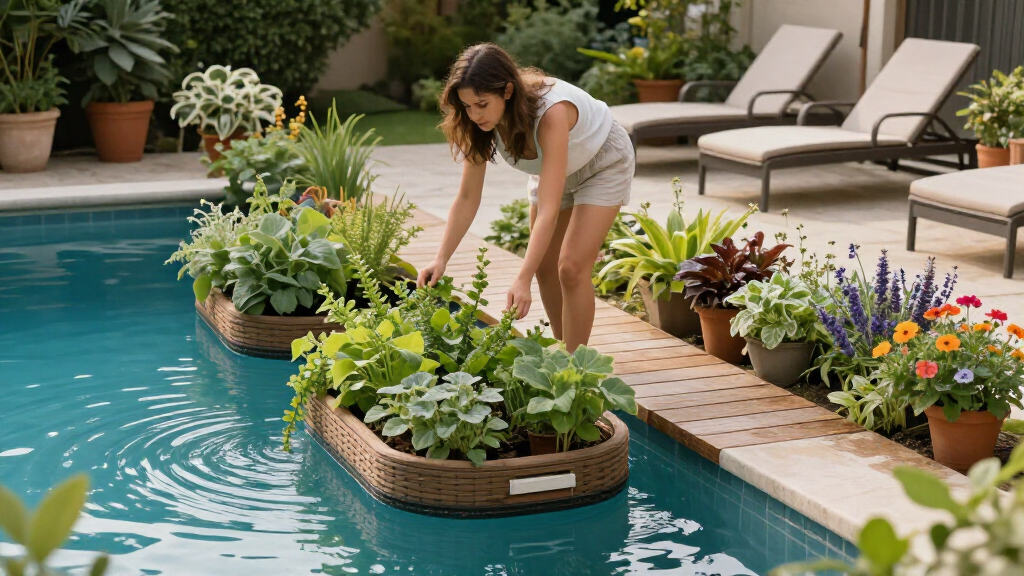
Amateur Gardening has reported on “Bobylon,” a home-scale floating planter idea that uses an old bath, sink or similar container to hold water beneath pots and trays. The proposal is intended to help selected crops access moisture during dry spells while offering a practical option when heavy rain leaves ordinary garden soil waterlogged.
The method described in the report uses a water-holding container and a piece of thick, flat expanded polystyrene cut to fit inside it. A hole is made for each plant pot so the pot’s base can reach the water. The float can be weighted or adjusted with extra flotation so the growing medium sits at the water surface rather than being submerged.
For shallow trays, the article suggests stacking expanded-polystyrene seed trays or placing capillary matting beneath the upper tray. It says these arrangements may suit salad leaves, spinach, Chinese greens and watercress, while the limited compost depth makes trays less suitable for raising most plants to full size. The report also suggests that some plants, including tomatoes, melons and cucumbers, can tolerate standing in saucers of water when other growing conditions are good.
Amateur Gardening cautions that most plants need air around their roots, even when they need abundant moisture. It says nutrients may leach from the growing medium, so occasional feeding can be needed. A small container such as a baby bath may hold enough rainwater for a small blueberry plant, the report says, but is unlikely to supply several thirstier plants without being topped up.
A Planter for Wetter and Drier Spells
The idea addresses two weather problems that can disrupt home growing: waterlogged soil after heavy rain and shortages of water during drought. Rather than relying on garden beds, the floating arrangement stores rainwater beneath selected plants, potentially reducing the need for frequent watering when the reserve is available.
Its scope is modest. The report presents a small-container gardening technique, not a flood-control measure or a solution for every crop. Plants still need suitable light, nutrients and growing depth, and the water reserve has to be monitored. For readers with limited space, however, a repurposed sink or bath may provide a way to experiment with moisture-loving crops without building a large raft.
There is also an environmental trade-off. The article suggests reusing polystyrene seed trays that a gardener already has, while acknowledging that the material is not environmentally ideal. It warns readers to remove loose or broken pieces and dispose of them safely so they do not enter soil or waterways.
As an affiliate, we earn on qualifying purchases.
From Large Rafts to Garden Containers
The report compares Bob’s proposal with floating gardens shown in documentaries from warmer regions. Those larger systems are described as timber-and-bark rafts weighted with soil and mud, sometimes large enough to support a range of crops, including fruit trees. The article does not suggest that a domestic container can reproduce their scale or growing capacity.
Instead, “Bobylon” adapts the general idea of a floating growing surface to small household containers. The report says some plants can be positioned with their pots just touching water, while others need their roots kept above the waterline. It identifies blackcurrants and blueberries as plants that appreciate plentiful moisture, but cautions that even these should not sit with their roots submerged.
The source frames the method as a possible partial response to difficult weather, not as a tested commercial system. It offers practical suggestions for adapting containers and floats, but the supplied report includes no measured results, comparative growing data or independent assessment of performance.
““After the drought, the deluge inevitably comes.””
— Amateur Gardening report
How Well the Method Performs
The supplied report does not identify a publication date, provide trial results or quantify how much water a given container can store or how long that supply lasts. It is also not clear which varieties of the suggested crops perform best in the arrangements, or how results vary with climate, container size and exposure.
Bob’s idea is presented as a practical suggestion rather than a proven gardening system. The article’s recommendations should not be read as a guarantee that plants will thrive through drought, prolonged rain or cold conditions. It also warns that an open water butt may collect debris and insect larvae, and that floating pots in a deep container could drop below the rim as water is used, then rise high and become exposed to wind after rain refills it.
Testing a Small Home Setup
The report does not announce a formal trial, product launch or follow-up date. Its next step for readers is practical experimentation: choose a stable, shallow container, fit the float so the pot base or mat can reach the water, and check that the compost remains above the waterline. The available water will need monitoring and replenishment, particularly where several plants share a small reservoir.
Anyone trying the method should also inspect polystyrene for damage, secure the arrangement against wind and keep debris out of stored rainwater. Whether Bobylon becomes a widely adopted approach, or how reliably it performs across seasons, remains unreported.
Key Questions
What is Bobylon?
Bobylon is the name used in an Amateur Gardening report for a small-scale floating planter idea. It places pots or shallow growing trays on a float above water stored in a container such as an old bath or sink.
Which plants does the report suggest?
The report names salad leaves, spinach, Chinese greens and watercress for shallow floating trays. It also says tomatoes, melons and cucumbers may tolerate standing in saucers of water when other growing conditions are suitable. Plant response will vary.
Can the plants sit underwater?
No. The article says most roots need air as well as water. The setup is meant to bring the base of a pot or growing medium into contact with water, not submerge the roots or compost.
What are the main drawbacks?
A small container may not hold enough water for multiple thirsty plants, and nutrients can leach from the growing medium. The report also warns about polystyrene fragments, debris and insect larvae, and says floating pots in deep containers may become unstable as water levels change.
Source: rss
Fall Picks
fall essentials
As an affiliate, we earn on qualifying purchases.