
TL;DR

Get pool and patio gear delivered free with Prime
- Fast, free delivery on millions of items
- Prime Video, Amazon Music and more included
- Member-only deals all year
Interest in attracting state birds to private yards is rising, with many gardeners seeking native plants that support local avian species. Experts recommend specific native plants to encourage sightings.
Growing interest among homeowners and gardeners in attracting their state bird to private yards is on the rise, according to recent online search trends. While no official campaign or government initiative has announced this focus, the surge in interest suggests more people want to support local bird populations by planting native species that provide food and habitat. This movement highlights a broader shift toward wildlife-friendly gardening and ecological conservation at the community level, including creating habitats for birds.
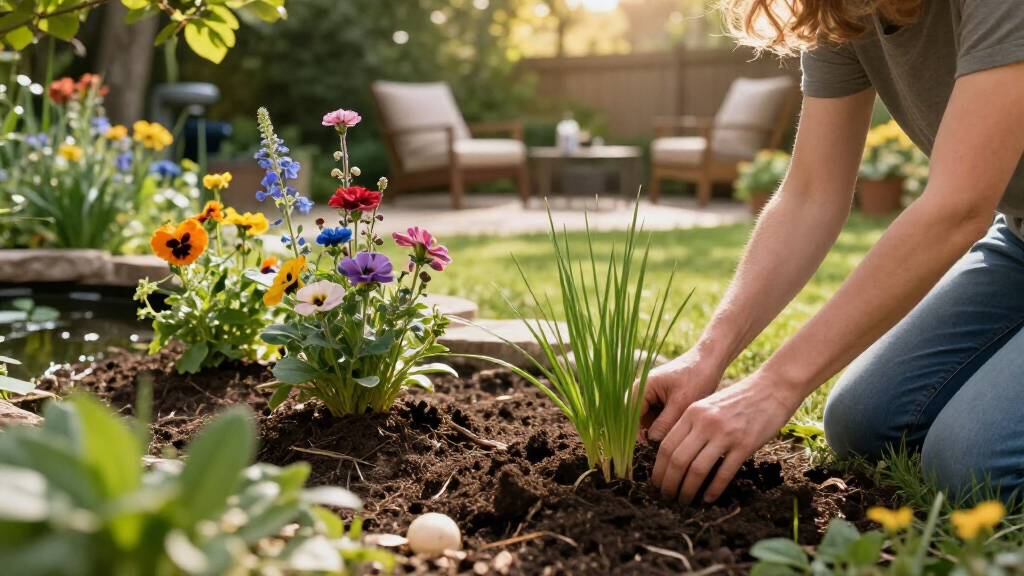
Data from online search trends indicates a significant spike in queries related to planting native plants to attract state birds across multiple regions. Experts note that native plant gardening is a proven method to support local bird species, offering essential food sources like seeds, berries, and insects, as well as shelter. Specific plants recommended vary by state but often include species that are naturally occurring and well-adapted to local climates.
For example, in states like Texas, plants such as the Texas sage and yaupon holly are popular choices for attracting local birds like the Northern Mockingbird and the Green Jay. In the Midwest, native wildflowers and berry-producing shrubs are favored to draw in species like the American Robin and the Eastern Bluebird. Ornithologists and horticulturists emphasize that planting these native species not only benefits birds but also supports overall ecosystem health by promoting biodiversity.
While the trend is gaining momentum among individual gardeners, there is no formal national campaign or policy promoting native planting specifically for bird attraction. Nonetheless, local conservation groups and extension services are increasingly providing guidance on native plant selection and habitat creation tailored to regional bird species. This reflects a growing awareness of the importance of native plants in maintaining healthy bird populations amid habitat loss and urbanization.
Why Supporting Native Plants Benefits Local Birdlife
This trend matters because planting native species helps sustain and increase local bird populations, many of which face threats from habitat destruction and climate change. By creating bird-friendly gardens, residents can directly contribute to conservation efforts, supporting species that are integral to their regional ecosystems. Additionally, native plants often require less water, fertilizer, and maintenance, making them an environmentally and economically sustainable choice for homeowners.
Encouraging native planting also promotes biodiversity, helping to restore natural food webs and ecological balance. The movement aligns with broader environmental goals of reducing urban heat, improving air quality, and fostering resilient landscapes. As more individuals participate in habitat support through gardening, it can lead to measurable improvements in local bird sightings and overall ecological health.
native plants for attracting local birds
As an affiliate, we earn on qualifying purchases.
As an affiliate, we earn on qualifying purchases.
Native Planting and Bird Attraction: Growing Trends and Regional Guides
The interest in attracting state birds through native planting is part of a larger trend toward wildlife-friendly gardening that has gained popularity over recent years. While specific campaigns are not yet widespread, the concept is rooted in longstanding ecological principles: native plants are best suited for local wildlife, including birds, insects, and pollinators. The current spike in online searches appears to be driven by increased environmental awareness and a desire for more sustainable, nature-based gardening practices.
Historically, conservation organizations and horticultural experts have promoted native plants for their ecological benefits. The recent surge in interest may also be linked to broader environmental concerns, such as habitat loss, climate change impacts, and urban encroachment. As people seek ways to reconnect with nature from their own yards, native plant gardening offers a practical and effective solution for supporting local avian species.
Unconfirmed Factors Behind the Search Trend Spike
While online search interest is clearly rising, it is not yet confirmed whether this reflects a coordinated movement, increased media coverage, or a general rise in environmental awareness. There are no official surveys or studies directly linking the trend to specific campaigns or policies. It remains unclear whether this is a temporary spike or part of a sustained shift in gardening habits.
Next Steps for Gardeners and Conservation Groups
Experts recommend that interested individuals consult regional native plant guides and local extension services to select appropriate species for their area. Conservation organizations may expand outreach and educational programs to capitalize on this growing interest. Monitoring the impact of native plant gardening on local bird populations could become a focus for future research, helping to quantify benefits and refine best practices.
In the coming months, more regions may see targeted campaigns or community initiatives encouraging native planting for bird conservation, further supporting this ecological trend.
Key Questions
Which native plants are best for attracting my state bird?
Selection varies by region, but common choices include berry-producing shrubs, wildflowers, and grasses native to your area. Contact local extension offices or native plant societies for tailored recommendations.
Can planting native plants really increase bird sightings?
Yes, native plants provide essential food and shelter, which can encourage more birds to visit and stay in your yard. Results depend on proper plant selection and habitat management.
Are native plants difficult to maintain?
Generally, native plants require less water, fertilizer, and pest control, making them easier to care for than non-native species. They are adapted to local conditions and often more resilient.
Is this trend supported by conservation organizations?
While no formal national campaign is currently confirmed, many local conservation groups promote native planting as a way to support wildlife and biodiversity.
When will I start seeing more birds in my yard?
Results vary depending on your location, plant choices, and habitat conditions. Typically, it can take a season or two for birds to discover and settle into a new habitat.
Source: rss
Halloween Picks
halloween
As an affiliate, we earn on qualifying purchases.