TL;DR

Get pool and patio gear delivered free with Prime
- Fast, free delivery on millions of items
- Prime Video, Amazon Music and more included
- Member-only deals all year
Most blanket flowers (Gaillardia) are hardy in USDA Zones 3 to 9 and need no elaborate winter protection. Gardeners can cut plants back after the first frost or leave the stems standing for winter interest and wildlife; any mulch should be light because soggy soil can harm the plants.
Most blanket flowers (Gaillardia) need little preparation for winter, according to a seasonal care guide from Gardener’s Path. Gardeners can either cut the plants back after the first frost or leave their stems in place through winter; extra protection is generally unnecessary for varieties suited to their local growing zone.
The guide says most Gaillardia varieties are hardy in USDA Zones 3 to 9, though cold tolerance differs among cultivars. Gardeners near the cold edge of a cultivar’s growing range can add a light layer of mulch, but the report recommends no more than one inch. Blanket flowers tolerate dry conditions better than waterlogged soil, and heavy mulch can retain too much moisture around the roots.
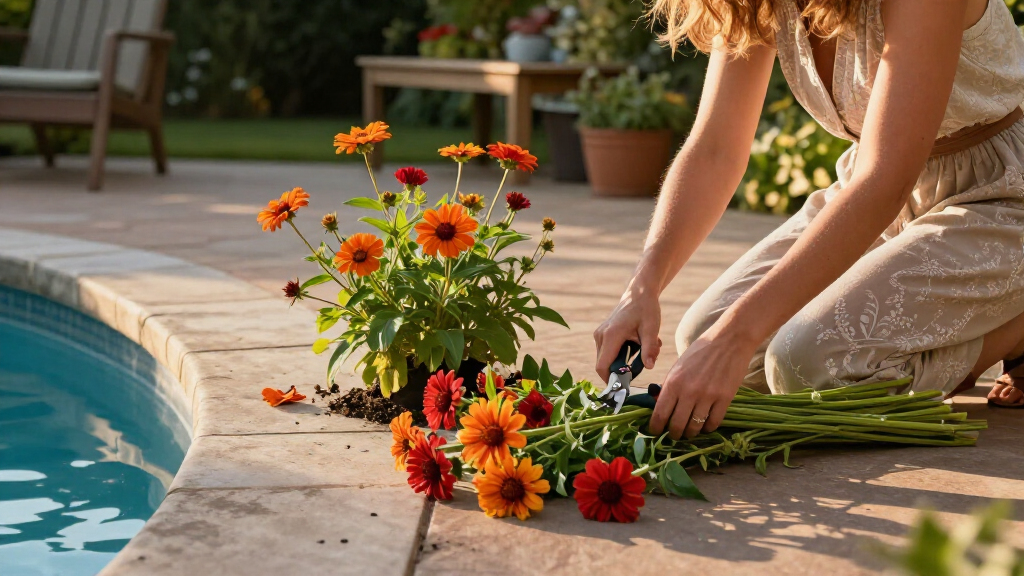
For a tidier garden, wait until just after the first frost before pruning. Cutting plants earlier may prompt new growth that uses stored energy, the guide says. Stems can be cut close to the ground, leaving short stubs, or trimmed to about six inches so the clump is easier to find in spring. Use sharp pruners or sturdy scissors.
The alternative is to leave the plants standing and cut them back in spring. The report says this takes less autumn work, provides winter interest and can benefit wildlife. Gardeners may also remove plants that have become weak or tired: blanket flowers are short-lived perennials, but they readily self-seed. Dried flower heads can be saved for seed before winter preparation begins.
Choosing a Winter Care Approach
The choice affects both the look of the winter garden and the amount of work required. Cutting back after frost clears old growth and may be sensible where plants are crowded or fungal disease affected them during the growing season. Leaving stems in place instead preserves a more natural appearance and avoids an autumn pruning task.
For gardeners, the main practical risk described in the guide is not a lack of elaborate protection but excess moisture around the roots. Applying too much mulch can create unsuitable, soggy conditions. A light covering may help plants at the cold limit of their cultivar’s range, while many established plants in suitable zones can be left without special treatment.
Products Worth Considering

Philips Hue Festavia Globe Outdoor String Lights, 32 Bulbs, 91 ft

Dyson Car+Boat Cordless Handheld Vacuum

eufy E25 Robot Vacuum and Mop Combo with HydroJet Roller Mop
As an affiliate, we earn on qualifying purchases.
Gaillardia’s Cold and Moisture Limits
Blanket flowers are North American native wildflowers in the Asteraceae family. They produce red, orange and yellow flowers and can reseed readily. The Gardener’s Path report describes them as generally easy-care plants, but notes that cold hardiness varies and that they do not tolerate persistently wet soil well.
The guide names Gaillardia × grandiflora ‘Mesa Yellow’ as an example of a cultivar that may be less cold-tolerant than some others. Its advice is to check the needs of the specific variety rather than assume every blanket flower responds identically. It also cautions against routine fertilizing, saying the plants do not respond well to it.
“Most varieties are hardy in Zones 3 to 9.”
— Gardener’s Path winter-care report
Cultivar and Local Conditions Matter
The report gives general guidance, not a guarantee that every Gaillardia plant will survive winter. Exact hardiness depends on the cultivar and local conditions, and the source does not provide a cultivar-by-cultivar list or region-specific advice. It also does not specify how reliably a plant will overwinter in a particular garden’s soil or exposure. Gardeners should check the stated hardiness for their variety and account for drainage and local winter conditions.
The report describes self-seeding as common, but the number of seedlings a garden will produce is not certain. A plant that declines may not be replaced automatically, so saving seed or starting new plants may be useful if maintaining the planting is a priority.
Prune After Frost or Wait
As autumn progresses, gardeners can decide whether they prefer a tidy bed or standing stems for winter interest. Those choosing to prune should wait until after the first frost, then remove the stems with clean, sharp tools. Those leaving plants in place can wait until spring to cut back old growth.
Before adding mulch, check the cultivar’s cold-hardiness range and make sure the planting area drains well. Where extra insulation is appropriate, the report recommends a light layer of leaves, no deeper than one inch. Gardeners can also collect seeds from dried flower heads before cutting plants back.
Key Questions
Should blanket flowers be cut back in autumn?
It is optional. The Gardener’s Path report recommends waiting until just after the first frost if cutting them back. Gardeners can instead leave the stems standing through winter and prune in spring.
How much mulch should Gaillardia get for winter?
The report suggests a light layer of no more than one inch for plants near the cold limit of their cultivar’s range. Avoid heavy mulch because blanket flowers are poorly suited to soggy soil.
Can blanket flowers stay outside during winter?
Most varieties are listed as hardy in USDA Zones 3 to 9, but tolerance varies by cultivar. Check the variety’s hardiness information and consider local growing conditions.
Is it better to leave Gaillardia stems standing?
Leaving stems in place is a valid option if you want winter garden interest and less autumn cleanup. The report says the stems can support wildlife and can be cut back in spring.
What if a blanket flower looks weak or worn out?
Blanket flowers are short-lived perennials, and the guide says older plants may lose health and quality. Weak plants can be removed; the species often self-seeds, and seeds can also be collected from dried flower heads.
Source: gardenerspath.com