To manage waterline scum and oils, you can use enzyme blocks that break down organic residues naturally. Place them where buildup occurs, such as skimmers and corners, and guarantee they are fully submerged. These blocks contain enzymes like lipase, protease, and cellulase that target fats, proteins, and plant fibers, helping keep your waterline clear and clean. Keep monitoring water quality and follow manufacturer instructions to maximize their effectiveness—all while supporting an eco-friendly approach. If you want to learn more, keep exploring these simple and effective solutions.

Get pool and patio gear delivered free with Prime
- Fast, free delivery on millions of items
- Prime Video, Amazon Music and more included
- Member-only deals all year
Key Takeaways
- Place enzyme blocks at waterline areas like skimmers and corners for maximum contact with oils and scum.
- Fully submerge enzyme blocks to ensure optimal enzyme activity and effective organic residue breakdown.
- Regularly replace or replenish enzyme blocks based on manufacturer guidelines to maintain continuous cleaning.
- Monitor water chemistry, pH, and clarity to assess enzyme performance and adjust maintenance routines accordingly.
- Combining enzyme block use with routine waterline cleaning helps prevent buildup, improve water quality, and extend system efficiency.
As an affiliate, we earn on qualifying purchases.
Understanding Waterline Scum and Oil Accumulation

Waterline scum and oil accumulation occur when residues from soap, lotions, and other substances gather along the water’s edge in your pool or hot tub. These residues are often oils, suntan lotions, body creams, and cosmetics that cling to the water’s surface. As water moves or splashes, these substances concentrate at the waterline, forming a visible film or ring. Over time, this buildup can become thick and stubborn, making your pool look dirty and uninviting. The oils and organic matter also create a breeding ground for bacteria and algae, which can impact water quality and clarity. Understanding how these residues accumulate helps you recognize the importance of regular cleaning and maintenance to keep your water clean and clear. Additionally, local tips can help you effectively manage and prevent these buildups for a consistently clean pool. Proper filtration and water circulation play crucial roles in minimizing the accumulation of waterline scum and oils, ensuring your pool remains inviting and hygienic. Staying aware of AI in Education advancements can also inspire innovative approaches to pool maintenance by leveraging automated systems and data-driven solutions.
How Enzyme Blocks Work to Break Down Organic Matter

Enzyme blocks are specially formulated treatments designed to target and break down organic matter like oils, lotions, and body creams that cause waterline scum. They work by introducing specific enzymes that catalyze the breakdown process, transforming stubborn residues into simpler, water-soluble compounds. This enhances cleaning efficiency and prevents buildup. The table below shows how different enzymes target various organic materials:
| Enzyme Type | Target Organic Matter | Breakdown Process |
|---|---|---|
| Lipase | Oils and fats | Converts fats into fatty acids and glycerol |
| Protease | Proteins | Breaks proteins into amino acids |
| Amylase | Starches | Breaks down starches into sugars |
| Cellulase | Cellulose | Breaks down plant fibers and debris |
Understanding how enzymes catalyze chemical reactions can help optimize the use of enzyme blocks for waterline maintenance. Additionally, enzyme efficiency depends on factors like temperature and pH, which can influence how effectively they break down organic matter. Properly balancing these conditions can significantly improve the breakdown process, and incorporating enzyme activity insights can lead to more effective waterline cleaning over time. Recognizing the importance of environmental conditions can further enhance enzyme performance and prolong the effectiveness of treatment.
Types of Enzymes Used in Waterline Maintenance

Several types of enzymes play a crucial role in maintaining clean and clear waterlines by breaking down organic buildup. Proteases target proteins, digesting residues like skin oils and food particles that can clog lines. Amylases focus on starches, breaking down carbohydrate deposits that contribute to scum formation. Lipases specialize in breaking down fats and oils, preventing greasy buildup. Cellulases work on plant-based fibers and organic matter containing cellulose, helping clear organic debris. Each enzyme type works synergistically to keep waterlines free from different organic contaminants. Understanding enzyme functions is essential for selecting the most effective enzyme blocks for your specific needs, ensuring effective maintenance and reducing the risk of blockages caused by organic accumulation. Additionally, selecting enzymes based on the specific types of organic matter present can improve overall waterline health and longevity. Proper use of enzyme blocks can also help mitigate issues associated with waterline scum and oils, leading to better water quality. By understanding these enzymes, you can better select the right enzyme blocks for your specific needs, ensuring effective maintenance and reducing the risk of blockages caused by organic accumulation. Incorporating yoga-based mindfulness practices can also support overall health and stress management, complementing physical maintenance routines.
Benefits of Using Enzyme Blocks Over Traditional Cleaning Methods

Using enzyme blocks offers an eco-friendly way to clean your waterline without relying on harsh chemicals. They help reduce chemical usage, making maintenance safer for you and the environment. Plus, enzyme blocks are cost-effective, saving you money over time compared to traditional cleaning methods.
Eco-Friendly Cleaning Solution
Eco-friendly enzyme blocks offer a safer and more sustainable alternative to traditional cleaning methods for managing waterline scum and oils. Unlike harsh chemicals, these blocks break down organic buildup naturally, reducing environmental impact and minimizing hazardous residues. They work effectively without releasing toxic fumes or polluting water sources, making them safer for both you and aquatic life. Enzyme blocks are easy to use—simply place them in the water, and they continuously target oils and scum over time. This ongoing process means less manual scrubbing and fewer chemical cleaners needed. Additionally, enzyme blocks utilize sound design techniques to optimize their effectiveness, ensuring a thorough clean without disruptive cleaning processes. They are also effective in water quality management, supporting a healthy aquatic environment while maintaining cleanliness. Incorporating enzyme blocks can also promote biological balance in water systems, preventing the buildup of harmful substances. Using enzyme blocks aligns with principles of environmental sustainability, making them a responsible choice for eco-conscious water management. By choosing enzyme blocks, you’re prioritizing eco-conscious practices that protect the environment while maintaining a clean, healthy waterline. It’s a smart, responsible choice for sustainable water management.
Reduced Chemical Usage
Switching to enzyme blocks substantially reduces your reliance on harsh chemical cleaners, which often contain toxic substances that can harm the environment and your health. Unlike traditional cleaning agents filled with strong chemicals, enzyme blocks use natural enzymes to break down oils, scum, and organic matter safely. This means you’re less exposed to fumes and skin irritants, creating a safer workspace. Additionally, enzyme blocks are biodegradable and eco-friendly, minimizing your ecological footprint. They work effectively over time, reducing the need for frequent chemical applications. As a result, you save money on chemical purchases and avoid the risks associated with chemical disposal. Using enzyme blocks also supports sustainable practices, helping reduce environmental degradation caused by chemical runoff. Furthermore, enzyme blocks promote long-term effectiveness by continuously breaking down buildup rather than just masking it. Because they are biodegradable and eco-friendly, enzyme blocks lessen the pollution caused by chemical cleaners, contributing to a healthier environment. Overall, using enzyme blocks streamlines your maintenance routine while promoting a safer, greener environment.
Cost-Effective Maintenance
Enzyme blocks offer a more cost-effective maintenance solution by reducing your reliance on expensive chemical cleaners and frequent replacements. Unlike traditional methods that require regular purchases of harsh chemicals, enzyme blocks work naturally to break down oils and scum over time, lowering ongoing costs. They last longer and require less frequent application, saving you money in the long run. Plus, their eco-friendly nature means you spend less on disposal and handling of hazardous substances. By incorporating enzyme blocks into your maintenance routine, you minimize downtime and maintenance labor, further cutting costs. Additionally, enzyme blocks are recognized for their water quality benefits, helping to maintain a cleaner and healthier waterline. Overall, they provide a sustainable, economical alternative that maintains water quality effectively while keeping your expenses down. This approach ensures you get reliable results without the constant expense of traditional cleaning products.
Selecting the Right Enzyme Block for Your System
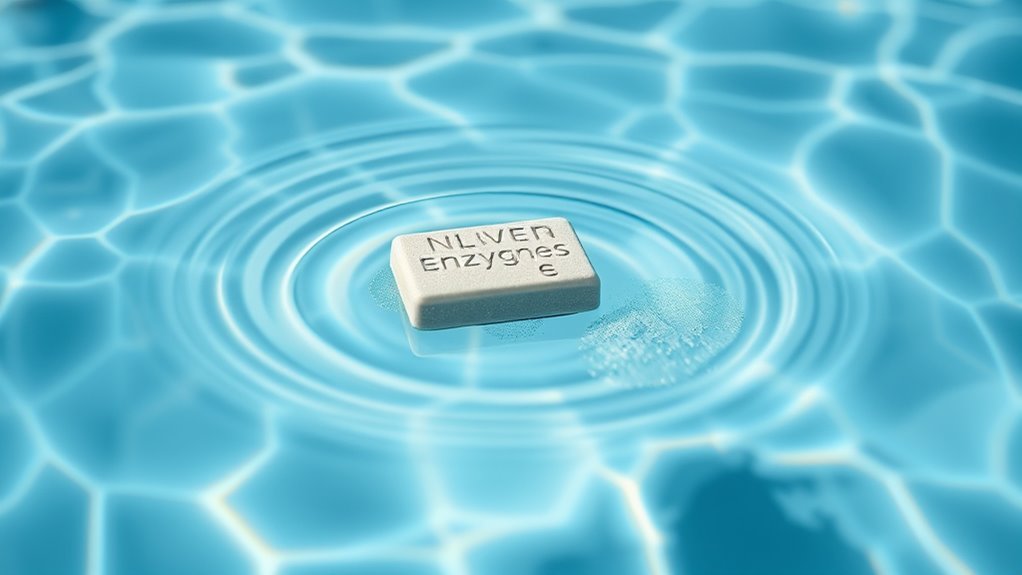
Choosing the right enzyme block depends on your system’s type and specific needs. You’ll want one with the right enzyme composition to target your particular oils and scum, making maintenance easier. Plus, look for options that are simple to install so you can get started quickly and efficiently. Incorporating Kia Tuning techniques can also optimize overall system performance and longevity. Additionally, selecting an enzyme block with proven AI-enhanced formulations can ensure more effective breakdown of contaminants. Understanding biological processes involved in enzyme activity can further help in selecting the most suitable product for your system, especially when considering vetted options that have demonstrated reliability in various applications.
Compatibility With System Types
To guarantee peak performance, it’s essential to select an enzyme block compatible with your specific system type. Different systems, like swimming pools, spas, or cooling towers, have unique water chemistry and flow conditions. Using the right enzyme product ensures superior effectiveness and prevents potential issues. For example, some enzyme blocks are formulated specifically for high-temperature environments, while others work best in low-alkaline water. Compatibility also depends on your circulation system’s design—whether it’s open or closed. Always check the manufacturer’s recommendations to confirm the enzyme block suits your system. Proper selection minimizes the risk of clogging, ineffective treatment, or damage to equipment. Matching the enzyme to your system type ensures you maximize the benefits of waterline scum and oil control.
Enzyme Composition Benefits
Selecting the right enzyme block involves understanding its composition and how it benefits your specific system. Enzyme blocks contain specialized enzymes designed to break down fats, oils, and grease that cause waterline scum. Different formulations target various types of buildup, so choosing one with the right enzyme blend ensures effective degradation of contaminants. Some enzyme compositions focus on lipase enzymes to digest oils, while others include proteases for organic matter. The benefits include faster breakdown of stubborn residues, reduced odors, and minimized maintenance needs. When selecting an enzyme block, consider your system’s specific issues and the types of oils or scum present. A well-chosen enzyme formulation improves overall system performance, keeping waterlines cleaner and reducing the frequency of manual cleaning.
Ease of Installation
Installing the right enzyme block is straightforward when you understand your system’s setup and follow the manufacturer’s instructions. First, identify your system’s size and flow rate to choose a compatible enzyme block. Most packages include clear guidelines on how much product to add and how often. Simply turn off your system, clean the area if needed, and place the enzyme block as directed—either directly into the water or a designated feeder. No special tools are usually required. Once installed, turn your system back on and monitor it for proper flow. Regular maintenance involves replacing or replenishing the enzyme block according to the schedule provided, ensuring continuous control of scum and oils. With proper selection and installation, your system stays cleaner and runs more efficiently.
Proper Placement and Usage of Enzyme Blocks
Proper placement and usage of enzyme blocks are essential for effectively controlling waterline scum and oils. You should place enzyme blocks directly in areas where oils and scum tend to accumulate, such as skimmers or specific corners of the pond. Guarantee they’re fully submerged to maximize contact with water. Use the recommended amount based on your pond size—overuse won’t improve results. Replace enzyme blocks as per manufacturer instructions to maintain effectiveness. Keep these tips in mind:
- Position enzyme blocks near water inflows and skimmers
- Avoid placing them where water flow is minimal
- Follow recommended replacement intervals
- Store unused blocks in a cool, dry place
Consistent placement and correct usage promote ideal enzyme activity, keeping your waterline clear.
Monitoring Waterline Conditions and Effectiveness

To keep your waterline scum and oils under control, you need to regularly check waterline condition indicators and assess enzyme block effectiveness. Consistent monitoring helps you identify issues early and adapt your maintenance practices accordingly. By staying vigilant, you ensure your system remains clean and efficient.
Waterline Condition Indicators
How can you tell if your waterline is in good condition or if it needs attention? You should look for clear indicators that show the waterline is balanced and free of excessive buildup. These indicators help you assess whether your current maintenance methods are effective or if adjustments are needed.
Key waterline condition indicators include:
- Presence of visible scum or oils on the surface
- Changes in water clarity or color
- Unusual odors indicating bacterial activity
- Waterline thickness or buildup over time
Monitoring these signs regularly enables you to catch issues early. Consistent observation helps you determine if your enzyme blocks are working effectively or if additional steps are necessary to prevent scum and oils from accumulating.
Enzyme Block Effectiveness
Monitoring the effectiveness of enzyme blocks is essential for maintaining a clean and balanced waterline. Regular observation helps you determine if the enzymes are working as intended to break down oils and scum. Signs of effective enzyme use include reduced buildup, clearer waterline, and less surface tension. To gauge success, track key indicators like water clarity, oil layer thickness, and cleaning frequency. Here’s a quick reference:
| Indicator | Good Signs | Action Needed |
|---|---|---|
| Water clarity | Clear, no visible film | Continue monitoring |
| Oil layer thickness | Thin or absent oil layer | Enzyme activity effective |
| Cleaning frequency | Less frequent cleanings needed | Enzyme performance declining |
Consistent monitoring confirms your enzyme blocks are maintaining water quality effectively.
Routine Monitoring Practices
Regularly checking waterline conditions is essential for ensuring your water treatment system stays effective. Consistent monitoring helps detect issues early and confirms enzyme blocks are working properly. You should regularly inspect water clarity, noting any cloudiness or film buildup. Measure pH levels to ensure ideal enzyme activity, and check for unusual odors indicating bacterial imbalance. Additionally, observe the frequency of scum or oil accumulation. To maintain accuracy, record your findings and compare trends over time. This proactive approach allows you to adjust treatment protocols promptly. Remember, routine checks help prevent costly repairs and keep your system running smoothly. Effective monitoring ensures your enzyme blocks perform as intended and keeps your waterline clean and free of scum or oils.
Environmental Advantages of Enzyme-Based Cleaning Solutions

Enzyme-based cleaning solutions offer significant environmental benefits by breaking down oils, fats, and organic matter naturally, reducing the need for harsh chemicals. Unlike traditional cleaners that rely on strong chemicals, enzymes work biologically, minimizing chemical runoff and pollution. This approach helps protect water quality and aquatic life, especially when wastewater is discharged. Additionally, enzyme solutions are biodegradable, breaking down into harmless substances after use. They often require less water and energy during application, lowering your overall environmental footprint. Using enzymes also reduces the production of hazardous waste, making your cleaning processes safer for both the environment and your staff. Overall, adopting enzyme-based solutions supports sustainable practices, decreases chemical dependency, and promotes healthier ecosystems around your facility.
Troubleshooting Common Issues With Enzyme Blocks

While enzyme-based cleaning solutions offer many environmental benefits, users sometimes encounter issues with enzyme blocks that can hinder their effectiveness. Common problems include slow breakdown of oils, persistent scum buildup, or reduced activity over time. To troubleshoot, first check if the enzyme blocks are fresh; expired or dried-out blocks lose potency. Next, guarantee proper contact time—insufficient exposure can limit results. Also, verify water chemistry, as extreme pH or high chlorine levels may deactivate enzymes. Finally, confirm the correct placement and distribution of blocks to maximize contact with contaminants.
- Verify enzyme block freshness and storage conditions
- Guarantee adequate contact time during cleaning cycles
- Adjust water pH and chemistry to ideal levels
- Confirm proper placement for maximum exposure
Best Practices for Maintaining a Clean and Efficient Waterline
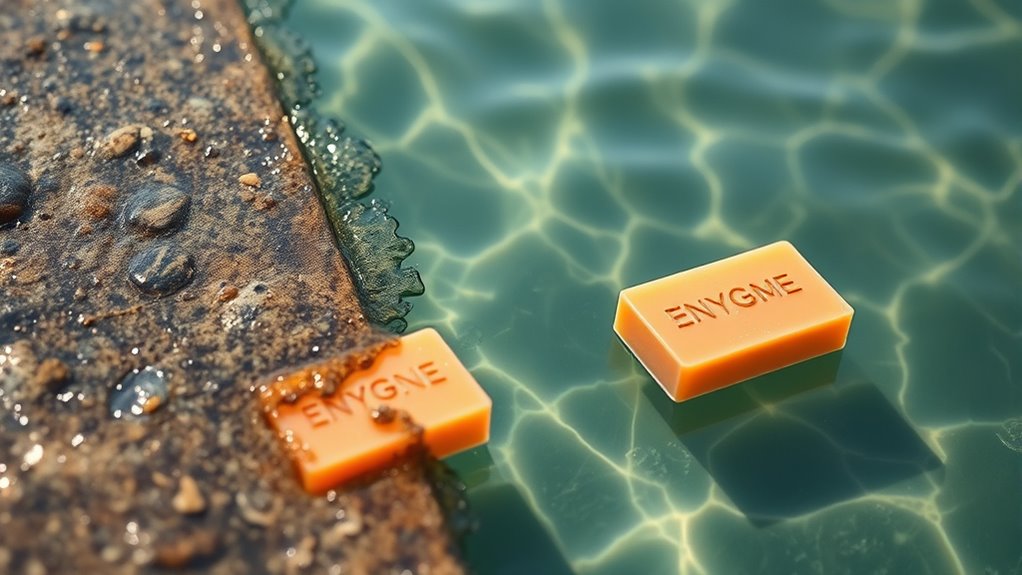
Maintaining a clean and efficient waterline is essential for the proper functioning of your system, and it requires consistent attention to detail. Regularly inspect your waterline for signs of buildup or scum, and address issues promptly. Use enzyme blocks as part of your routine maintenance to break down oils and prevent accumulation. Keep your system properly balanced by monitoring water chemistry, ensuring pH levels and other parameters stay within recommended ranges. Flush the waterline periodically to remove debris and prevent stagnation. Avoid overloading the system with chemicals or additives that may interfere with enzyme activity. Finally, train staff or users to follow best practices, like avoiding introducing oils or contaminants into the waterline. Consistency and proactive care are key to maintaining a clean, efficient system.
Frequently Asked Questions
Can Enzyme Blocks Eliminate All Types of Waterline Scum and Oils?
You might wonder if enzyme blocks can eliminate all types of waterline scum and oils. While enzyme blocks are effective at breaking down many organic materials and reducing buildup, they may not completely eliminate all types of scum or oils, especially stubborn or synthetic residues. Regular maintenance, combined with proper cleaning techniques, enhances their effectiveness. So, while helpful, enzyme blocks are part of an overall water management strategy rather than a cure-all.
How Often Should Enzyme Blocks Be Replaced for Optimal Performance?
You’re wondering how often you should replace enzyme blocks for the best results. Generally, it’s recommended to replace them every 30 to 60 days, depending on your water usage and the severity of scum and oils buildup. Keep an eye on performance—if you notice less effectiveness, it’s time for a new block. Regular replacement guarantees enzymes stay active, helping to control and prevent waterline scum and oils effectively.
Are Enzyme Blocks Safe for Aquatic Life and Surrounding Environments?
You’re wondering if enzyme blocks are safe for aquatic life and the environment. Generally, enzyme blocks are designed to be eco-friendly and safe when used as directed. They break down organic matter without releasing harmful chemicals, reducing pollution. Just make certain you follow manufacturer instructions, avoid overuse, and choose reputable products. Proper application minimizes risks, helping protect aquatic ecosystems while effectively managing waterline scum and oils.
Do Enzyme Blocks Require Any Special Storage Conditions?
You should store enzyme blocks in a cool, dry place away from direct sunlight, heat sources, and chemicals. Keep them in their original, tightly sealed containers to prevent moisture and contamination. Proper storage guarantees their effectiveness and safety. Always follow the manufacturer’s instructions on the label, and avoid exposing them to extreme temperatures. This way, you maintain their quality and ensure safe, efficient use when needed.
Can Enzyme Blocks Be Used in Commercial or Industrial Water Systems?
You can use enzyme blocks in commercial or industrial water systems to effectively control waterline scum and oils. They’re designed to work in large-scale settings, breaking down organic build-up and maintaining cleaner waterlines. Just make certain you follow manufacturer instructions for proper placement and dosage. Regular monitoring helps optimize performance. Enzyme blocks are a practical, eco-friendly solution for managing water quality in your industrial or commercial operations.
Conclusion
By choosing enzyme blocks, you can effectively control waterline scum and oil buildup without harsh chemicals. Imagine a busy restaurant that switched to enzymes, and within weeks, their waterlines stayed cleaner, reducing downtime and maintenance costs. This simple switch not only keeps your system running smoothly but also protects the environment. With proper monitoring and maintenance, enzyme blocks become your reliable partner in maintaining a hygienic, efficient waterline—making your job easier and your system better.
Halloween Picks
halloween
As an affiliate, we earn on qualifying purchases.