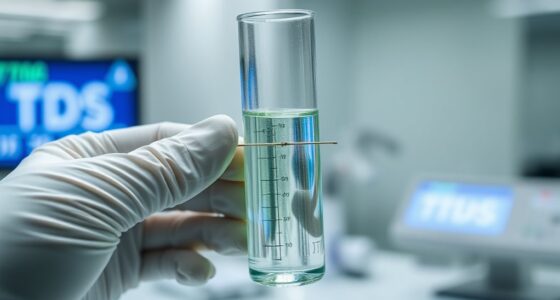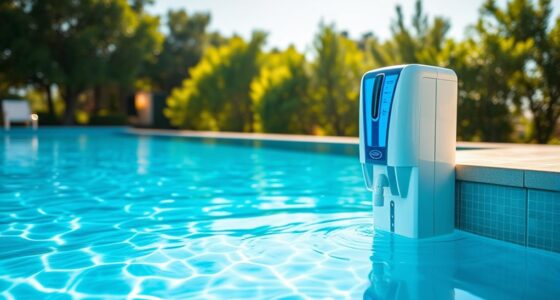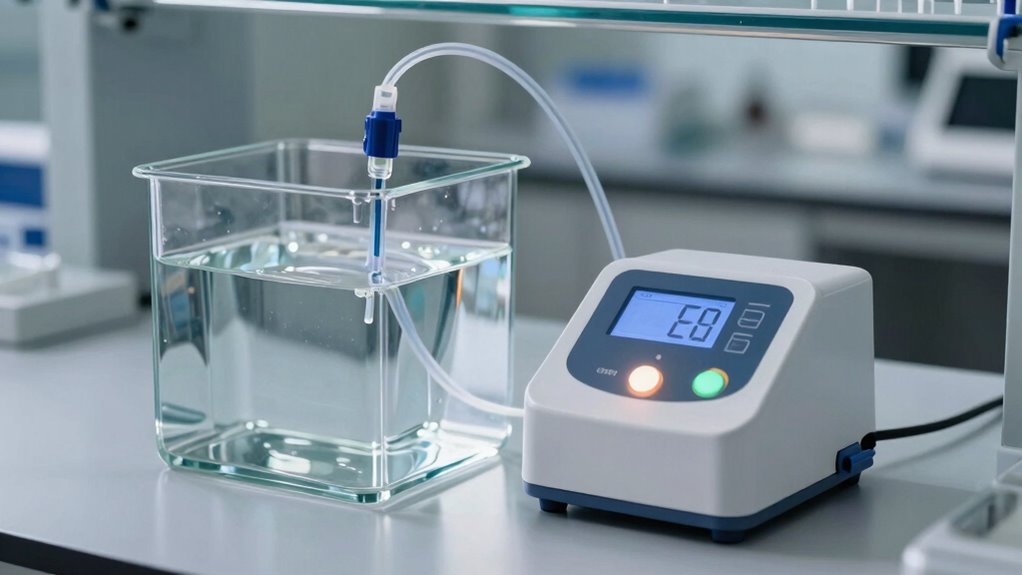

Automatic pH control can make managing water chemistry much easier, but it works best when your fill water stays stable and predictable. If your source water has fluctuating pH or high mineral content, the system struggles to keep conditions balanced and requires frequent adjustments. Regular testing and pre-treatment can help improve water stability. Keep in mind, understanding your water quality is key to success—stick around to find out how to get the most reliable results.

Get pool and patio gear delivered free — and shop member deals
- Fast, free delivery on millions of items
- Access to Prime Big Deal Days deals on October 6–7
- Prime Video, Amazon Music and more included
Key Takeaways
- Stable, predictable fill water allows automatic pH controllers to maintain consistent pH levels with minimal manual intervention.
- Fluctuating or contaminated water undermines automation, requiring constant chemical adjustments and increasing system wear.
- Understanding and improving water source quality ensures more reliable pH regulation and reduces chemical usage.
- Regular calibration and maintenance of sensors are crucial for automatic systems to function effectively.
- Addressing water chemistry issues at the source maximizes automation benefits, simplifies water management, and extends equipment lifespan.
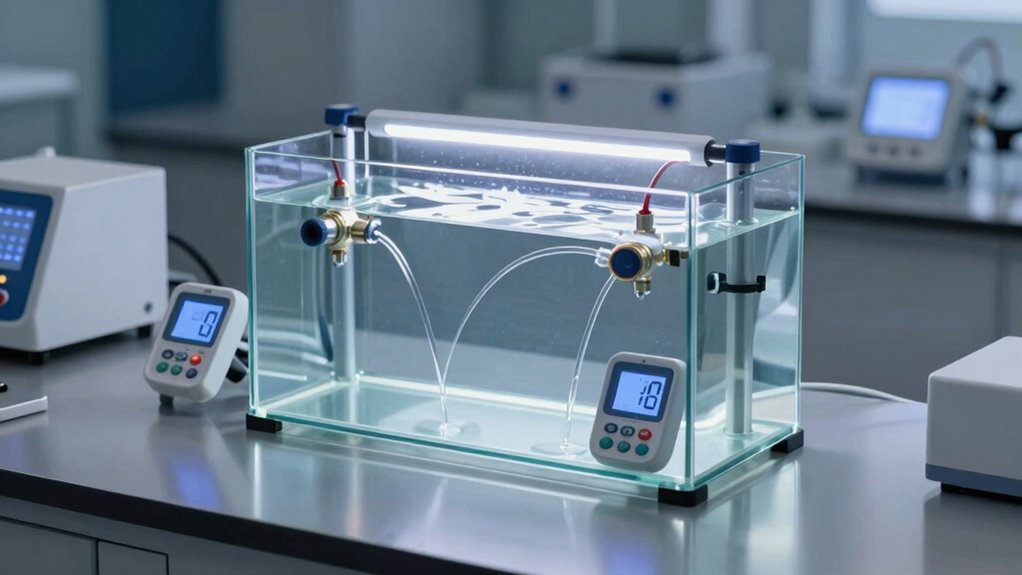
Automatic pH control promises to make managing water quality easier, but it only works smoothly if your fill water’s pH is not fighting against it. When your source water has unpredictable pH levels, the system has to work harder to maintain pH stability, which can lead to inconsistent results. The goal of automatic pH regulation is to keep water within a safe and balanced pH range, reducing manual adjustments and minimizing chemical use. However, if your fill water’s pH is constantly fluctuating or too extreme, the system can struggle, undermining its effectiveness and making water quality harder to control.
Automatic pH control works best with stable, predictable water chemistry for consistent, effective results.
The key to successful automatic pH control lies in understanding your water source. If your fill water has a stable pH, the system can do its job efficiently, maintaining desired levels with minimal intervention. But if your water contains high levels of dissolved minerals or contaminants that push pH outside the ideal range, the system has to compensate by adding acids or bases more frequently. This constant battling against the water’s natural chemistry can cause wear on the equipment and lead to inconsistent pH stability. It’s vital, then, to test your water regularly and consider pretreatment options, like filtration or conditioning, to improve the baseline water quality before relying on automated systems. Ensuring your water’s chemistry is predictable can significantly enhance system performance.
Another factor to weigh is the type of automatic pH controller you choose. Some systems are more sensitive and can adapt quickly to changes, while others may lag behind sudden shifts in water chemistry. When your water source is particularly erratic, investing in a more advanced, responsive system can make a significant difference. Additionally, calibrating your system correctly and maintaining it regularly ensures it responds accurately to pH changes. If the system isn’t calibrated properly or if sensors become dirty or worn out, you’ll see fluctuations in water quality, defeating the purpose of automation. Proper maintenance and understanding sensor function are crucial for consistent results. Moreover, choosing a system with smart features can help you monitor and adjust settings remotely, improving overall reliability.
Furthermore, understanding water chemistry and how it interacts with your pH system is crucial for optimal performance. In the end, the success of automatic pH control hinges on your water source’s quality. If your fill water is predictable and stable, this technology can truly simplify water management, saving you time and effort. But if your water fights against you, you might need to address those underlying issues first. Improving water quality at the source not only enhances pH stability but also extends the life of your equipment and ensures healthier, safer water. So, before relying solely on automation, take the time to understand and optimize your water source—then let the system do its job efficiently.
As an affiliate, we earn on qualifying purchases.
Frequently Asked Questions
How Does Automatic pH Control Adjust for Sudden Water Changes?
Automatic pH control responds quickly to sudden water changes by constantly monitoring pH levels, which helps prevent pH fluctuation. When the system detects a shift, it automatically adjusts chemicals or dosing rates to stabilize the water. This real-time intervention guarantees water stability, reducing manual adjustments and keeping your water balanced even during abrupt changes. You’ll notice less hassle and more consistent water quality with automatic pH control handling sudden water fluctuations.
What Are Common Signs That Fill Water Is Affecting pH Levels?
You’ll notice pH fluctuation when your water’s pH levels suddenly shift, causing inconsistency in your environment. Water hardness often signals this change, as hard water can raise pH levels, while soft water might lower them. Signs include cloudy water, scale buildup, or unpleasant odors. Keep an eye on these indicators, as they show your fill water is affecting pH, and automatic pH control can help stabilize it.
Can Automatic pH Systems Work With Well Water?
Yes, automatic pH systems can work with well water. For example, a homeowner installed one to manage their water’s pH buffering capacity and prevent corrosion. Water filtration helps remove contaminants, making pH adjustments more effective. Well water often has variable pH levels, but with proper setup, automatic pH control maintains stable pH levels, reducing scaling and protecting appliances. Properly calibrated systems guarantee reliable operation, even with well water’s unique properties.
How Often Should I Calibrate an Automatic pH Control System?
You should calibrate your automatic pH control system at least once a month to guarantee accuracy. Regular sensor maintenance is key, so check the sensors for buildup or damage before calibration. The calibration frequency might need adjustment based on your water quality and usage. By maintaining your sensors and calibrating regularly, you’ll keep your system running smoothly and prevent pH issues from fighting you.
Are There Specific Water Qualities That Hinder pH Automation?
Certain water qualities, like high mineralization, can hinder pH automation, making pH stability a challenge. When minerals like calcium or magnesium are abundant, they interfere with sensors and reagent effectiveness, causing fluctuations. Conversely, low mineral content supports consistent pH control. You should test your fill water regularly to verify mineralization levels are suitable, helping your system maintain stable pH and reducing the fight against unpredictable water chemistry.
Conclusion
If your fill water fights back, even the smartest pH control system can become your enemy, turning what should be effortless into an epic battle. But with the right water source and a little patience, you’ll open a world where pH regulation feels like a breeze—so smooth, it’s like having a personal assistant for your water. Say goodbye to chaos and hello to perfect pH—your life will never be the same!
Halloween Picks
halloween
As an affiliate, we earn on qualifying purchases.