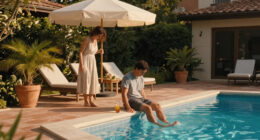
To optimize your outdoor spaces for sun exposure and shade, start by positioning key areas based on their use. Place seating and patios in southern exposures for maximum sunlight, while northern areas stay cooler and shaded. East-facing zones catch morning sun, perfect for breakfast spots, while west-facing areas get afternoon light for evening gatherings. Thoughtful orientation guarantees year-round comfort and enjoyment—exploring more tips will help you create a balanced, functional outdoor environment.

Get pool and patio gear delivered free with Prime
- Fast, free delivery on millions of items
- Prime Video, Amazon Music and more included
- Member-only deals all year
Key Takeaways
- Position outdoor seating and patios to maximize southern exposure in the northern hemisphere for abundant sunlight.
- Use northern exposures for shaded, cooler zones ideal for relaxing or hot climates.
- Orient east-facing spaces for morning sunlight and west-facing areas for afternoon and evening warmth.
- Strategically place shade structures and trees based on sun path to provide relief during peak heat hours.
- Consider seasonal sun movement to adjust and optimize outdoor spaces throughout different times of the year.

When planning outdoor spaces, understanding how sunlight and shade interact is vital to creating a comfortable and functional environment. Your goal is to optimize sun exposure for warmth and light, while also providing enough outdoor shading to keep spaces cool and protected from harsh rays. Achieving this balance begins with thoughtful orientation of your landscape, considering how the sun moves across the sky throughout the day and seasons. By positioning your patio, seating areas, or play zones in areas that receive ample sunlight, you maximize natural warmth and light, making outdoor activities more inviting. Conversely, placing shaded zones strategically ensures you have relief from direct sun during peak hours, enhancing comfort and usability. Incorporating smart design principles helps you create a space that adapts to changing conditions and supports everyday well-being. Landscape lighting plays an important role in extending the enjoyment of your outdoor space into the evening. When designing with sunlight in mind, consider how your landscape lighting can complement natural light patterns. Use subtle uplighting or pathway lights to highlight features or create ambiance without overpowering the natural solar benefits. Properly integrated outdoor lighting can also improve safety, guiding guests along walkways and around shaded or sunlit zones. Be mindful that landscape lighting shouldn’t compete with the sun’s natural glow but instead enhance the overall atmosphere and functionality of your space. Outdoor shading solutions help you control sun exposure during the hottest parts of the day. Think about installing pergolas, awnings, or shade sails over seating areas or dining spaces to provide immediate relief from direct sunlight. These structures not only offer practical shade but also add aesthetic appeal, framing your outdoor environment beautifully. For larger areas, consider planting trees strategically to offer natural outdoor shading. Deciduous varieties are especially beneficial—they provide shade during summer and allow sunlight in winter when their leaves fall. Positioning these trees thoughtfully can create a dynamic environment that adapts with the seasons. When it comes to orientation, align your outdoor zones to take advantage of the sun’s path. In northern hemisphere locations, southern exposures tend to receive the most sunlight, making them ideal for warmth-loving activities. Northern exposures, meanwhile, stay relatively cooler and are perfect for shady retreats. East-facing areas catch the morning sun, perfect for breakfast spots, while west-facing zones get the afternoon sun, suited for late-day gatherings. Balancing these orientations ensures you get sunlight when needed and shade when desired. By combining smart orientation with landscape lighting and outdoor shading, you craft a versatile outdoor space that’s both inviting and comfortable year-round.
Products Worth Considering
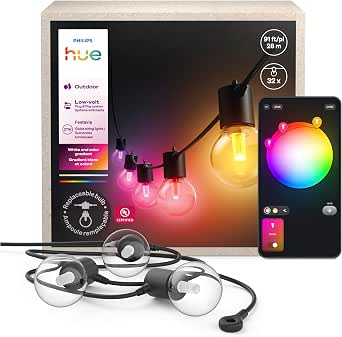
Philips Hue Festavia Globe Outdoor String Lights, 32 Bulbs, 91 ft

Philips Hue Large Smart Light Tube, Black – White and Color Ambiance LED Color-Changing Light – 1 Pack

Philips Hue Bridge Pro Smart Lighting Hub
As an affiliate, we earn on qualifying purchases.
Frequently Asked Questions
How Does Local Climate Influence Orientation Choices?
Your local climate directly influences orientation choices by requiring climate adaptability. In hot, sunny regions, you should prioritize regional shading to minimize heat gain and maximize comfort. Conversely, in cooler climates, orient your building to catch the sun for natural warmth. By understanding your area’s climate patterns, you can optimize design for energy efficiency and comfort, ensuring your space responds effectively to seasonal and daily variations.
What Are Cost-Effective Shading Solutions?
Looking to save on shading costs? You can explore landscape shading options like planting trees strategically or adding pergolas with DIY solutions. These methods create natural shade, markedly reducing cooling costs. Imagine transforming your outdoor space with simple, budget-friendly ideas that block the sun without breaking the bank. By choosing the right plants and DIY structures, you’ll enjoy a cooler, more comfortable environment all year round—without overspending.
How Can Existing Structures Be Modified for Better Sun Control?
You can modify existing structures by integrating landscape features like trees and shrubs to provide natural shade. Adjust window placement to maximize shading from nearby structures or plantings, reducing direct sun exposure. Consider adding awnings, pergolas, or exterior blinds to enhance sun control. These modifications improve energy efficiency and comfort, blending seamlessly with your landscape. Properly positioned shading elements and thoughtful window placement make a significant difference in managing sunlight effectively.
What Are the Health Considerations Regarding Sun Exposure?
You should prioritize UV safety to prevent skin damage and skin cancer, especially during peak sunlight hours. While some sun exposure boosts vitamin D production, too much can harm your skin. Balance is key—seek shade when needed, wear protective clothing, and use sunscreen. Regular sun safety practices help you enjoy the benefits of sunlight without risking health issues, ensuring you maintain healthy skin and ideal vitamin D levels.
How Does Seasonal Variation Affect Design Strategies?
You should consider seasonal variation because solar angles change markedly throughout the year, affecting sunlight and heat. In summer, higher solar angles mean more intense sun, so you’ll want shading devices that block direct rays. During winter, lower angles allow sunlight to warm your space. By adjusting shading devices and building orientation, you can optimize natural light and comfort year-round, saving energy and enhancing your environment.
Conclusion
By thoughtfully considering your home’s orientation for sun exposure and shade, you can create a comfortable, energy-efficient space that feels just right all year round. Imagine waking up to warm sunlight or relaxing in cool shade during the hottest days—doesn’t that make your home feel more inviting and tailored to your lifestyle? With these tips, you’re empowered to design a space that perfectly balances light, shade, and comfort for every season.