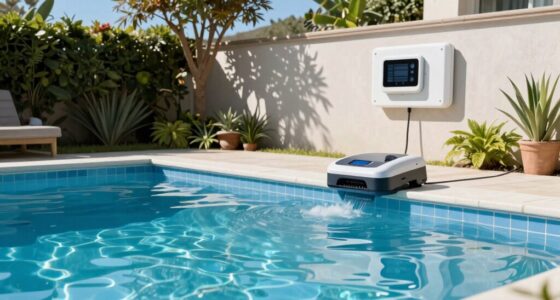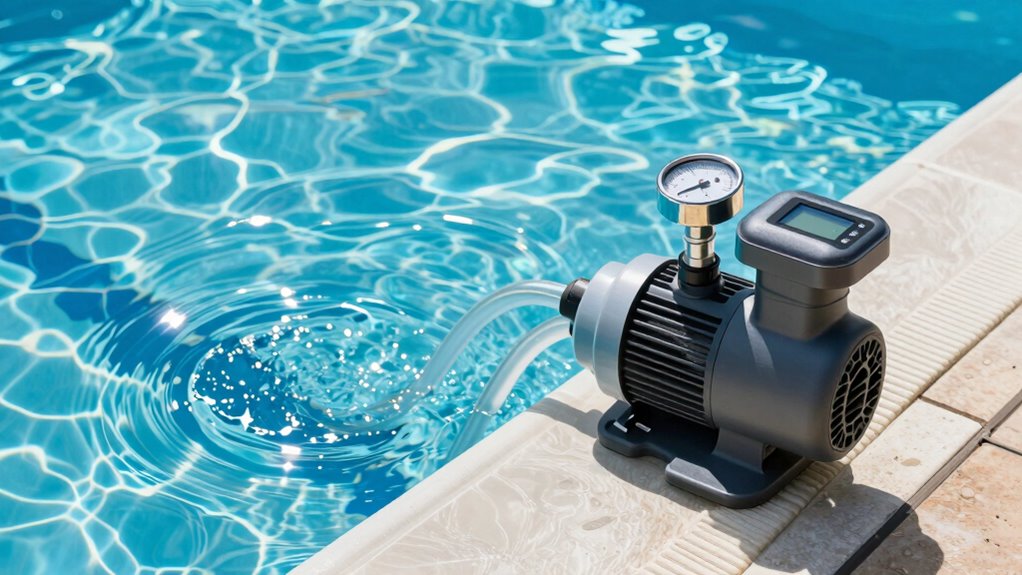

Many believe that increasing your pool’s turnover rate always results in cleaner water, but that’s a myth that can lead to overspending and unnecessary equipment stress. In reality, maintaining a proper balance of circulation, chemical levels, and filtration is enough for healthy, clear water. Super high turnover rates don’t guarantee better quality and often raise costs. If you want to discover smarter ways to keep your pool pristine without overspending, keep exploring these tips.

Get pool and patio gear delivered free with Prime
- Fast, free delivery on millions of items
- Prime Video, Amazon Music and more included
- Member-only deals all year
Key Takeaways
- Higher turnover rates do not automatically improve water quality; proper chemical balance and filtration are equally important.
- Overemphasizing high turnover can lead to unnecessary energy costs, equipment wear, and chemical overuse.
- A typical residential pool only needs about 6-8 hours of circulation daily; more isn’t always better.
- Proper maintenance, regular testing, and correct filtration are more effective than simply increasing turnover rates.
- Focusing solely on turnover myths may cause overspending on equipment upgrades, neglecting essential chemical and routine upkeep.
As an affiliate, we earn on qualifying purchases.
What Is the Pool Turnover Rate and Why Does It Matter?

Have you ever wondered how often your pool’s water gets completely refreshed? The pool turnover rate measures how many times your pool’s entire volume is filtered and cleaned within a specific period, usually per day. It directly relates to pool chemistry because proper circulation ensures chemicals are evenly distributed, keeping algae and bacteria at bay. Filtration systems play an essential role here—they remove debris and contaminants, maintaining water clarity and safety. If your turnover rate is too low, your pool might not be properly sanitized, leading to cloudy water and health risks. Additionally, understanding the filtration system efficiency can help you optimize your pool’s maintenance schedule and energy use. Proper circulation is also crucial for preventing the buildup of microplastics in dust, which can affect water quality and health. A balanced turnover rate ensures effective chemical distribution, reducing the need for excess chemicals and minimizing overspending. Achieving the right balance involves considering the design of filtration systems, which impacts both performance and longevity. Conversely, a higher rate can improve water quality but might increase energy costs. Understanding this balance helps you keep your pool safe, clean, and well-maintained without overspending. Heritage craftsmanship and engineering principles influence the design of efficient filtration systems, ensuring longevity and performance.
Debunking Myths About Turnover Rates and Overspending
Many pool owners believe that higher turnover rates always mean better water quality, but this isn’t necessarily true. Focusing solely on increasing turnover can harm pool aesthetics and compromise chemical safety. Overly rapid water circulation might cause splashing, uneven chemical distribution, and increased evaporation, which can lead to cloudy water or algae growth. Instead, maintaining a balanced approach ensures your pool looks inviting and stays safe for swimmers. Proper chemical levels are essential, and rushing turnover may cause fluctuations that make it harder to control these levels. Understanding hydraulics can help optimize flow without unnecessary overspending. Additionally, a well-designed circulation system can improve water flow efficiency and reduce energy costs. Optimizing flow dynamics is crucial for maintaining consistent chemical distribution and preventing issues like stagnant areas. The right balance between circulation and chemical management relies on understanding pool maintenance principles to prevent common issues. Don’t fall for the myth that more is always better—balance is key to a beautiful, safe pool. Recognizing the importance of spiritual awakening and enlightenment can also help you approach pool care with a more mindful and balanced perspective.
Here’s How You Actually Keep Your Pool Water Clean
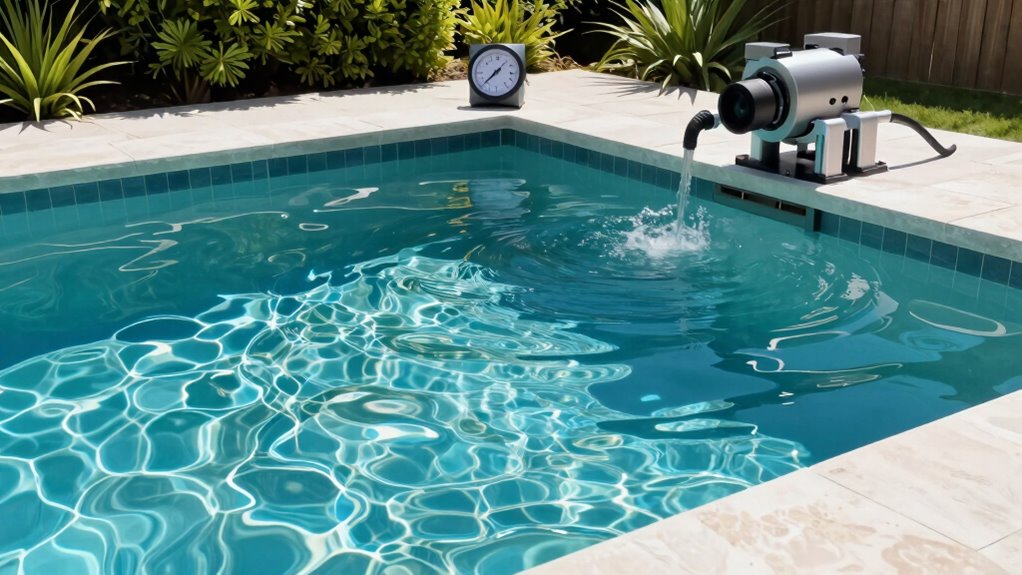
To keep your pool water clean, you need to focus on proper filtration techniques that effectively circulate and remove debris. Regular water testing helps you stay on top of chemical levels, preventing issues before they start. Maintaining an effective chemical balance guarantees your water stays clear, safe, and inviting for swimmers. Additionally, understanding the filtration system’s capacity ensures your pool is properly sized for optimal water turnover and cleanliness. Properly maintaining your filter is crucial for preventing debris buildup and ensuring efficient operation. You can also consider solar-powered pool heaters to maintain consistent water temperature efficiently, which can enhance overall pool maintenance and energy savings. Incorporating smart pool automation systems can further optimize filtration and chemical management, reducing overspending and ensuring consistent water quality. Knowing how to properly calculate water turnover rate is essential for achieving the best results in pool maintenance.
Proper Filtration Techniques
Proper filtration is essential for maintaining clear, healthy pool water, and doing it correctly can make all the difference. To maximize your filtration:
- Regularly clean and backwash your filter to ensure optimal flow.
- Keep your pump well-maintained to prevent breakdowns and algae buildup.
- Run your pump for at least 8 hours daily to promote circulation and algae prevention.
- Use the right filter type—sand, cartridge, or DE—based on your pool size and needs.
- Consider Free Floating systems that can help enhance natural water movement and filtration efficiency.
- Understanding your pool’s filtration system is crucial for optimizing performance and longevity. Proper understanding of AI tools can also help in monitoring and predicting pool maintenance needs.
These steps help prevent algae growth by improving water circulation and filtration efficiency. Proper pump maintenance ensures consistent performance, reducing the risk of cloudy water and costly repairs. Remember, good filtration is the foundation for a clean, inviting pool.
Regular Water Testing
Ever wonder how you can tell if your pool water is truly clean? Regular water testing is key. You need to monitor chlorine levels consistently to ensure your sanitizer is doing its job. If chlorine drops too low, bacteria and algae can thrive, making your water unsafe. Equally important is checking the pH balance; if it’s off, chemicals won’t work effectively, and water can become cloudy or start causing skin irritation. Use a reliable test kit or strips to get accurate readings. Test at least twice a week, especially during heavy use or after storms. By staying on top of these measurements, you can adjust chemicals promptly, maintain clear water, and avoid costly repairs or overuse of chemicals. Incorporating diversity in pool design and accessibility features can also promote inclusivity and ensure everyone feels welcome to enjoy the water. Regular testing can also help you identify filter performance issues early before they become costly problems. Additionally, understanding the star appeal of your pool area through aesthetic improvements can enhance overall enjoyment and relaxation. Moreover, understanding the essential oils for water clarity can provide natural ways to support your pool’s cleanliness and health.
Effective Chemical Balance
Maintaining an effective chemical balance is essential for keeping your pool water clean and safe. To do this, focus on these key steps:
- Regularly check your chemical pH, aiming for a level between 7.2 and 7.6—this prevents irritation and ensures sanitizer effectiveness.
- Keep sanitizer levels within the recommended range (1-3 ppm) to eliminate bacteria and algae.
- Test chlorine or bromine frequently to prevent fluctuations that can compromise water quality.
- Adjust chemicals promptly based on test results, avoiding overuse or underuse that can upset the balance.
What Are the Risks of Over-Filtering and Excessive Turnover Goals?
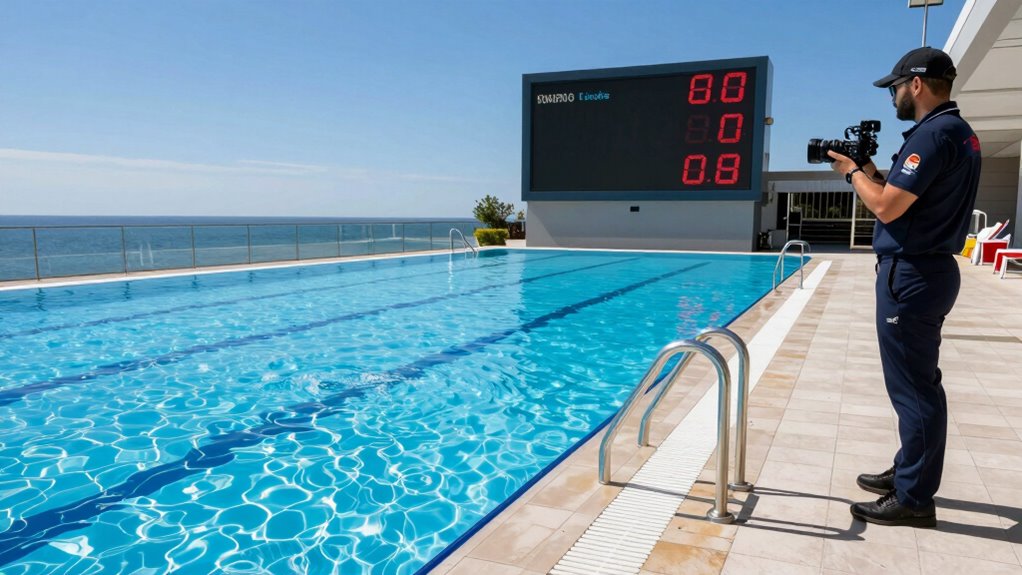
Have you ever considered how over-filtering your pool’s water can backfire? Pushing your turnover rate too high can lead to problems like chemical imbalance and pump wear. Over-filtering wastes energy and stresses equipment, causing premature breakdowns. It can also strip essential minerals, disrupting water chemistry and increasing chemical use.
| Risk | Impact |
|---|---|
| Chemical imbalance | Frequent adjustments and higher chemical costs |
| Pump wear | Reduced lifespan and costly repairs |
| Energy consumption | Higher bills due to unnecessary filtration cycles |
| Water quality issues | Over-filtration can lead to cloudy water or algae |
What Really Affects Your Pool Maintenance Costs?
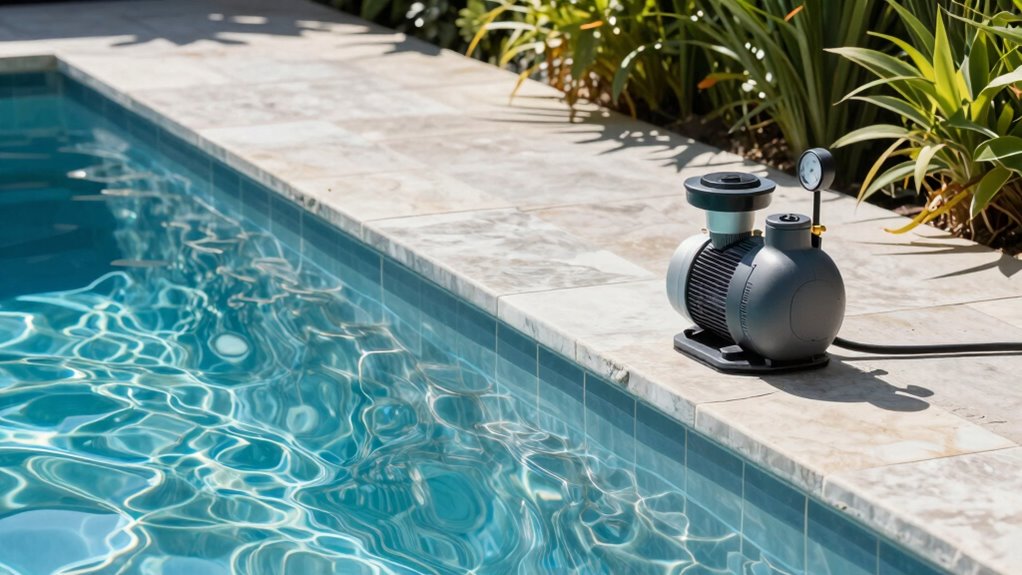
Your pool maintenance costs are influenced by several key factors. Keeping water chemistry balanced reduces chemical use and equipment wear, while efficient equipment saves energy and repairs. Seasonal changes also impact costs, as certain maintenance tasks become more necessary at specific times of the year.
Water Chemistry Balance
Ever wondered how water chemistry impacts your pool maintenance costs? Proper balance is key to avoiding unnecessary expenses. When your water’s chemical imbalance occurs, you may spend more on chemicals, filtering, and repairs. Here’s what you should focus on:
- Regular testing ensures your pH, alkalinity, and sanitizer levels stay within ideal ranges.
- Correct chemical adjustments prevent algae growth, saving you money on algae prevention products.
- Maintaining proper chlorine levels reduces the risk of corrosion and equipment damage.
- Balanced water minimizes cloudy water and scale buildup, decreasing filtration and cleaning costs.
Keeping water chemistry balanced isn’t just about clarity; it directly impacts your wallet by preventing costly repairs and constant chemical adjustments. Proper chemistry makes maintenance smoother and more affordable.
Equipment Efficiency Factors
Maintaining balanced water chemistry helps prevent equipment strain, but the efficiency of your pool equipment plays a bigger role in controlling ongoing costs. Using quality pool covers reduces debris that enters your pool, lessening the workload on your skimmer baskets and filtration system. Clean skimmer baskets regularly to ensure proper water flow, which minimizes strain on pumps and extends equipment lifespan. Upgrading to energy-efficient pumps can considerably lower electricity bills by optimizing water turnover rates without overworking your system. Properly sized and maintained equipment runs more efficiently, reducing wear and tear. Small adjustments, like installing covers and maintaining skimmer baskets, can make a substantial difference in your pool’s operational costs, helping you save money while keeping your pool running smoothly.
Seasonal Maintenance Impact
Seasonal changes have a significant impact on your pool maintenance costs, often more than you might realize. Seasonal effects alter your pool chemistry, requiring adjustments to maintain clarity and safety. During colder months, you’ll spend less on chemicals, but you still need to monitor for algae growth and freezing risks. In warmer seasons, frequent chemical balancing becomes essential. Here’s what influences costs:
- Temperature shifts affect chemical stability and pool chemistry.
- Increased sunlight boosts algae growth, demanding more treatments.
- Falling leaves or debris require extra skimming and filtration.
- Changes in usage levels influence sanitizer and chemical needs.
Understanding these seasonal effects helps you avoid overspending and keeps your pool safe and inviting year-round. Proper planning reduces unnecessary expenses and optimizes your maintenance efforts.
How to Find the Right Turnover Rate for Your Pool
Finding the right turnover rate for your pool starts with understanding how often the water needs to be refreshed to stay clean and safe. For most residential pools, a turnover every 6 to 8 hours is typical, but factors like pool decor and lighting can influence this. If your pool features elaborate decor or underwater lighting, you might need a slightly higher turnover to prevent buildup of debris or algae around those areas. Consider how frequently you use the pool and your maintenance routine. Too high a turnover wastes energy and chemicals, while too low risks water quality. Adjust based on your pool’s size, usage, and features, aiming for a balance that keeps water fresh without overspending on unnecessary filtration.
Smart Tips to Maintain Water Quality Without Overdoing It

To keep your pool water clear and safe without wasting energy or chemicals, it’s essential to adopt smart maintenance practices. Your pool design influences how easily you can maintain water quality, so choose one suited to your needs. Also, monitor water temperature, as warmer water can promote algae growth and bacteria. Here are four tips:
- Regularly test water chemistry to keep pH and chlorine levels balanced.
- Use a pool cover to retain heat and reduce evaporation, saving energy.
- Adjust flow rates to optimize filtration without overdoing it.
- Maintain proper water temperature to inhibit bacteria without unnecessary heating.
Why Costly Upgrades Based on Turnover Myths Are Usually Unnecessary
Many pool owners believe that hitting a specific turnover rate requires costly equipment upgrades, but this isn’t always the case. Focusing solely on turnover can lead you to unnecessary expenses, especially when it comes to enhancing pool aesthetics or installing fancy pool lighting. You don’t need a commercial-grade pump or expensive upgrades to keep your water clean and clear. Proper circulation, combined with regular maintenance, often does the trick without draining your wallet. Upgrading for better aesthetics, like adding attractive lighting or decorative features, can also be achieved affordably without focusing on turnover rates. Remember, a well-maintained pool with thoughtful design will look beautiful and stay healthy without overspending on myths about needing costly upgrades.
How to Save Money and Keep Your Pool Healthy Long-Term
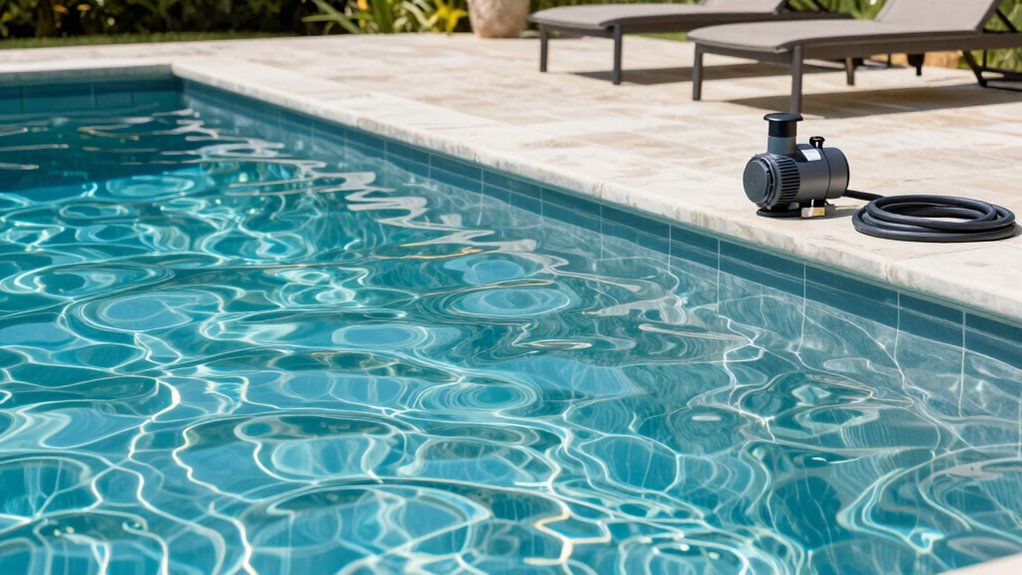
Maintaining a healthy pool doesn’t have to break the bank if you focus on smart, long-term strategies. First, regularly check your chlorine levels to prevent overuse and ensure proper sanitation, reducing chemical waste. Second, maintain proper circulation to prevent stagnant water, which helps with algae prevention and keeps your pool clear. Third, clean your filter regularly so it runs efficiently, saving you money on chemicals and repairs. Fourth, use a pool cover when not in use to reduce evaporation, heat loss, and debris buildup. These simple steps can extend your pool’s lifespan, minimize chemical costs, and keep algae at bay. By staying proactive, you’ll enjoy a clean, healthy pool without overspending on unnecessary upgrades.
Frequently Asked Questions
How Can I Measure My Pool’s Actual Water Quality Effectively?
You can measure your pool’s water quality effectively through regular water testing and chemical balancing. Use a reliable test kit to check pH, chlorine, alkalinity, and stabilizer levels weekly. Adjust chemicals as needed to maintain ideal balance, ensuring your water stays clean and safe. Consistent testing and chemical adjustments prevent issues and keep your pool inviting, saving you money on unnecessary treatments and repairs.
Are There Alternative Methods to Maintain Clean Water Besides Turnover Rate?
You can sustain clean water by focusing on chemical balancing and biological filtration instead of just turnover rate. Regularly test and adjust pH, chlorine, and alkalinity levels to keep the water safe. Biological filters naturally break down organic waste, reducing the need for excessive chemical treatments. Combining proper chemical balance with efficient biological filtration ensures your pool stays clean, clear, and healthy without relying solely on turnover rate.
What Signs Indicate My Pool Is Over-Filtered or Under-Filtered?
Spot signs showing your pool’s filtering finesse falters, like cloudy water or lingering algae. If you notice constant chemical imbalance or frequent filter clogs, your filter might be over-filtering, wasting energy and resources. Conversely, if the water appears murky, debris persists, or chemical levels fluctuate wildly, you likely under-filter. Regularly monitor filtering efficiency and chemical balance to keep your pool pristine without over-filtering or under-filtering.
How Does Climate Impact Optimal Turnover Rate Decisions?
Climate considerations directly impact your ideal turnover rate, as warmer temperatures increase evaporation and algae growth, requiring more filtration. Seasonal adjustments are essential; during hot months, you should increase turnover to maintain water clarity and safety, while in cooler seasons, you can reduce it to save energy. By tailoring your filtration schedule to climate conditions, you guarantee efficient water quality management without overspending on unnecessary filtration.
Can Adjusting Turnover Rate Save Me Money Long-Term?
You might find it funny, but adjusting your turnover rate can actually save you money long-term. By optimizing water conservation and energy efficiency, you reduce unnecessary filtration cycles, cutting costs. Less water and energy waste means lower utility bills and a smaller environmental footprint. So, yes, tweaking your turnover rate isn’t just smart for your wallet; it’s a clever way to make your pool more sustainable and cost-effective over time.
Conclusion
Think of your pool like a delicate dance — too much spinning, and you risk losing balance. By understanding the truth about turnover rates, you prevent unnecessary expenses and keep your pool sparkling without overdoing it. Just as a well-choreographed dance flows effortlessly, proper maintenance ensures your pool stays pristine and cost-effective. So, tune into what your pool truly needs, and enjoy the perfect balance without overspending or over-filtering.
Fall Picks
fall essentials
As an affiliate, we earn on qualifying purchases.