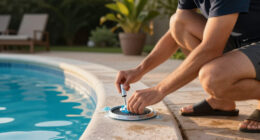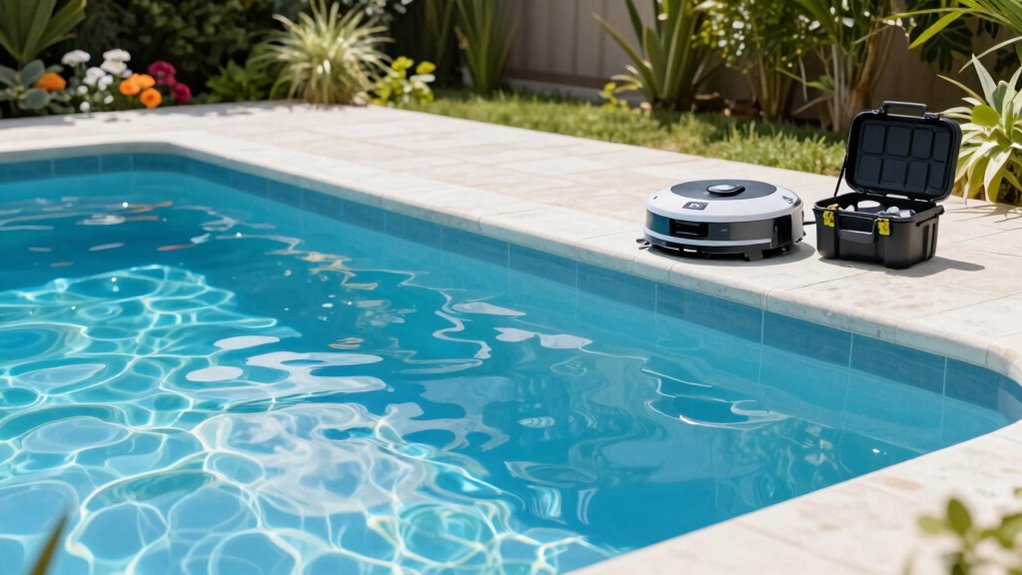
To reduce pool maintenance friction all season long, stay proactive with regular water chemistry tests twice a week and adjust chemicals promptly. Inspect and clean your equipment routinely, and keep water flowing properly to prevent stagnation. Use pool covers and skimming to keep debris at bay, reducing chemical and cleaning efforts. Keeping the area tidy and maintaining equipment early helps avoid major issues later. Keep these habits in mind to make pool care easier; you’ll find even more tips if you explore further.
Key Takeaways
- Implement a consistent maintenance schedule for water chemistry, equipment checks, and cleaning routines.
- Use high-quality, easy-to-maintain pool equipment to minimize repair time and effort.
- Maintain proper water circulation to prevent stagnation and reduce chemical imbalances.
- Regularly inspect and clean filters, pumps, and seals to avoid unexpected breakdowns.
- Cover the pool when not in use to reduce debris and chemical workload throughout the season.
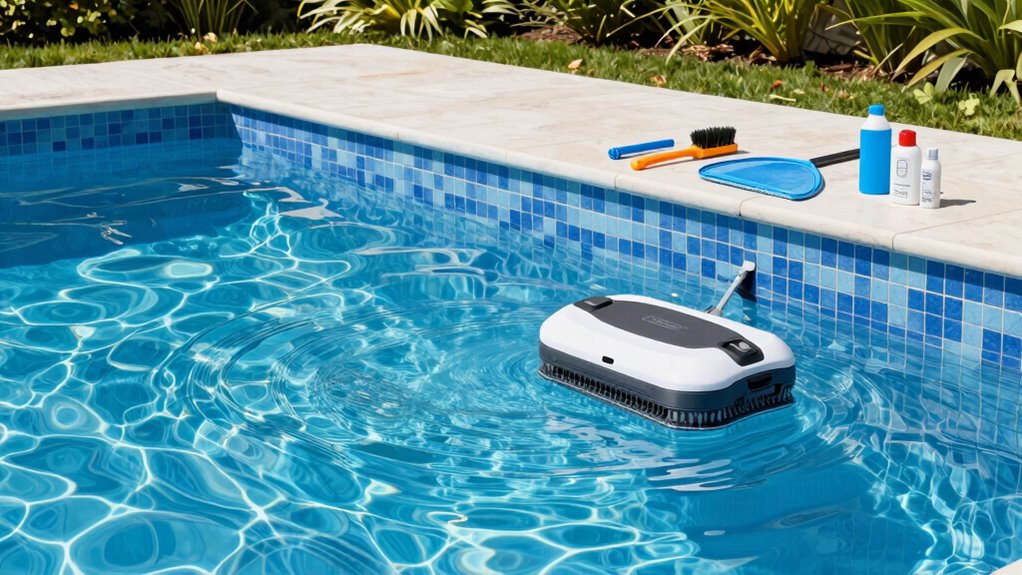
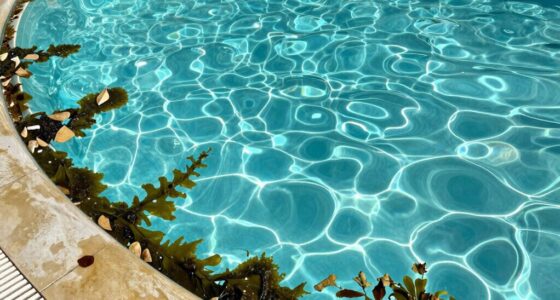
Maintaining a pool can sometimes feel like a constant battle against dirt, algae, and equipment issues, but you can reduce this friction by implementing simple, proactive strategies. The key is to stay ahead of problems rather than reacting to them after they escalate. Regularly monitoring your water’s chemical balance is essential. Proper chemical balancing ensures your pool water remains safe, clear, and less hospitable to algae and bacteria. Test your water at least twice a week, adjusting pH, alkalinity, and sanitizer levels as needed. Keeping these levels in check prevents algae growth and minimizes the need for heavy chemical treatments later. Using a reliable test kit makes this process quick and accurate, helping you catch imbalances early.
In addition to chemical balancing, consistent equipment maintenance plays a vital role in reducing overall pool issues. Your pump, filter, and other equipment need regular inspection and cleaning to operate efficiently. Clean your filter regularly to prevent debris buildup that can impair water circulation and filtration. Check your pump’s pressure gauge; a higher-than-normal reading often indicates a dirty filter or other issues that need addressing. Lubricate O-rings and seals periodically to prevent leaks and equipment failure. Keeping your equipment in top shape not only extends its lifespan but also ensures your pool remains clean and safe without frequent, urgent repairs. Regular pool equipment maintenance can help you identify potential problems before they become serious. Additionally, ensuring your pool’s water chemistry is properly maintained minimizes the risk of corrosion and equipment damage caused by imbalanced chemicals. Incorporating preventive maintenance routines can further reduce unexpected breakdowns and costly repairs. Incorporating proper water flow techniques also enhances the effectiveness of your chemical treatments and filtration system.
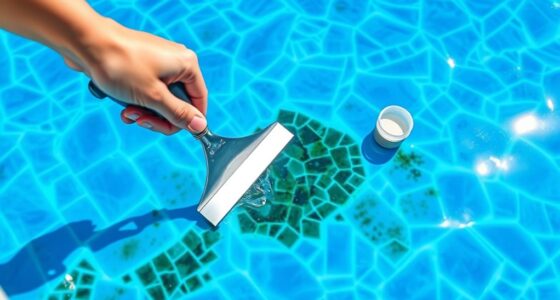
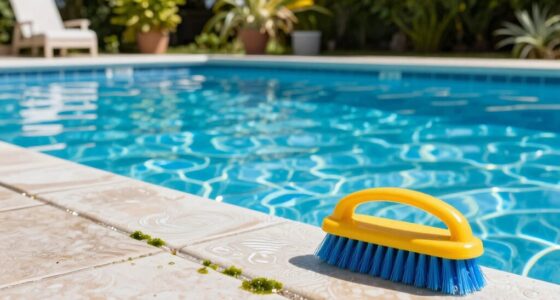
A well-maintained pool also benefits from proper water circulation, which helps distribute chemicals evenly and prevents stagnation that fosters algae growth. Scheduling routine maintenance tasks makes a big difference. Set reminders for weekly tests and cleanings so tasks don’t pile up. During these inspections, look for signs of wear, corrosion, or leaks, and address problems immediately. This proactive approach minimizes sudden breakdowns and reduces the need for costly replacements. Also, consider investing in quality pool equipment designed for easy maintenance, which can save you time and effort throughout the season. Finally, always keep your pool area clean and free of debris, as leaves and dirt can quickly undo your chemical and equipment efforts. Skim the surface daily during the swimming season, and vacuum the bottom weekly or as needed. Cover your pool when not in use to prevent debris from entering the water. By combining diligent chemical balancing with regular equipment maintenance and keeping your pool area tidy, you make your pool easier to manage all season long. These small, consistent actions lead to fewer surprises, fewer chemicals, and a more enjoyable swimming experience for you.

Poolmaster 22260 5-Way Swimming Pool or Spa Water Chemistry Test Kit with Case, Essential Collection
- Water Chemistry Testing: Tests Chlorine, Bromine, pH, Acid Demand, Alkalinity
- Clear-View Test Block: Includes round test block with color chips
- Solution Set: Contains 1oz solutions of #1-#3, 0.5oz of #4-#5
As an affiliate, we earn on qualifying purchases.
As an affiliate, we earn on qualifying purchases.
Frequently Asked Questions
How Often Should I Replace Pool Filters During the Season?
You should replace your pool filter when it shows signs of wear or decreased efficiency, typically every 1-2 seasons. Regularly clean the skimmer basket and check the pool cover for debris, which can clog filters faster. If your filter becomes clogged or less effective sooner, consider replacing it earlier. Proper maintenance keeps your pool cleaner and reduces the need for frequent filter replacements during the season.
What Are the Best Natural Alternatives to Chemical Pool Treatments?
Imagine a pool free of harsh chemicals—sounds tempting, right? You can achieve this with natural alternatives like natural clarifiers and organic sanitizers. These options help keep your water crystal clear and safe without synthetic chemicals. By using natural clarifiers to remove debris and organic sanitizers to maintain hygiene, you reduce chemical use and enjoy a healthier, eco-friendly pool experience all season long. Curious how simple switching can transform your swim?
How Can I Prevent Algae Growth in My Pool Naturally?
You can prevent algae growth naturally by enhancing natural filtration and using organic inhibitors. Regularly run your pump to boost natural filtration, which keeps algae from settling. Add organic inhibitors like barley straw or copper-based solutions, which naturally inhibit algae growth without chemicals. Keep your pool clean by skimming and brushing frequently, and maintain proper pH levels. These practices work together to reduce algae, making your pool easier to maintain all season long.
What Is the Optimal pH Level for Minimal Maintenance?
The ideal pH level for minimal maintenance is between 7.2 and 7.6. Maintaining this range guarantees effective pH balancing, which helps your chemicals work efficiently and promotes chemical stability. When your pH stays within this range, you’ll reduce algae growth and prevent scaling, making your pool easier to maintain. Regular testing and adjusting your pH levels keep your pool balanced, saving you time and effort throughout the swimming season.
How Do Weather Changes Impact Pool Maintenance Routines?
Weather changes considerably impact your pool maintenance routines; in fact, storms can increase debris by up to 50%. You need climate adaptation through seasonal adjustments, like adjusting chlorine levels and filtration schedules. Rain can dilute chemicals, so you’ll need to test water more often during wet seasons. Hot weather accelerates evaporation and algae growth, requiring more frequent skimming and chemical balancing to keep your pool crystal clear and maintenance hassle-free.
Conclusion
By following these tips, you’ll keep pool maintenance smooth sailing all season long. Think of it as trimming the sails of a boat — when you stay proactive and consistent, the journey becomes effortless. With less friction and more routine, you’ll enjoy crystal-clear water without the headaches. So, gear up, stay vigilant, and let your pool be the shining gem of your backyard oasis. Smooth sailing awaits when you keep maintenance simple and steady.