To keep your pool always ready, perform daily chemical balance checks using reliable test kits to monitor pH, chlorine, and alkalinity, adjusting as needed. Inspect equipment for leaks or noises, and clear debris from skimmer and pump baskets. Regularly clean filters and maintain proper circulation to prevent stagnation. Staying consistent with these simple habits keeps your water sparkling and safe. Keep going, and you’ll discover even more tips for perfect pool maintenance that never fails.
Key Takeaways
- Test water chemistry daily and adjust chemicals to maintain proper pH, chlorine, and alkalinity levels.
- Perform quick visual inspections of equipment for leaks, noise, or debris buildup.
- Clean skimmer and pump baskets daily to ensure optimal water circulation.
- Keep filtration systems clean and well-maintained for clear, contaminant-free water.
- Monitor overall water clarity and appearance, adjusting chemicals as needed for a pristine look.
Maintaining a clean and healthy pool requires regular attention, especially as the weather warms up. One of the most important daily habits you can develop is checking your pool’s chemical balance. Testing your water daily ensures that the pH, chlorine levels, alkalinity, and stabilizers stay within the ideal range. When these elements are balanced, your pool water stays clear, safe, and inviting. Use a reliable test kit or test strips each day, especially after heavy usage or after a rainstorm, which can disrupt chemical levels. If you notice any imbalance, adjust your chemicals accordingly—adding chlorine to sanitize, pH increasers or decreasers to stabilize acidity, or alkalinity boosters to prevent corrosion. Consistent monitoring minimizes the risk of algae growth, cloudy water, or skin irritations, making your pool always ready for spontaneous dips.
Alongside chemical checks, you should incorporate daily equipment inspection into your routine. This doesn’t mean tearing apart your filter or pump every day, but a quick visual inspection can prevent many issues. Look for any signs of leaks, unusual noises, or vibrations that might indicate equipment malfunction. Ensure your pump and filter are running smoothly, and clear out any debris from skimmer baskets and pump baskets. This simple step keeps your circulation system working efficiently, reducing strain on your equipment and extending its lifespan. Regular inspection also helps catch small problems before they escalate into costly repairs or cause your pool to become unsafe for swimming. Additionally, understanding and maintaining proper water chemistry is essential for a safe and enjoyable swimming environment. Proper filtration and chemical balance work together to keep your pool water pristine and safe. Incorporating routine water testing can further enhance your maintenance efforts by providing precise readings to guide your chemical adjustments. Proper circulation and water chemistry management not only keep your pool looking great but also contribute to a healthier swimming experience. Regularly cleaning your pool’s filtration system can further improve water quality by removing contaminants and ensuring efficient operation. Regular maintenance of your pool equipment also helps prevent unexpected breakdowns and prolongs the lifespan of your system components.
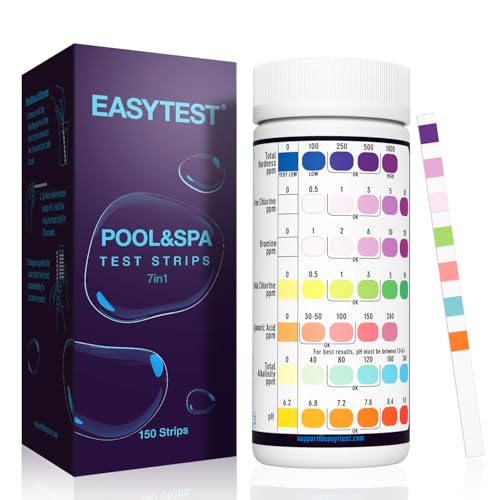
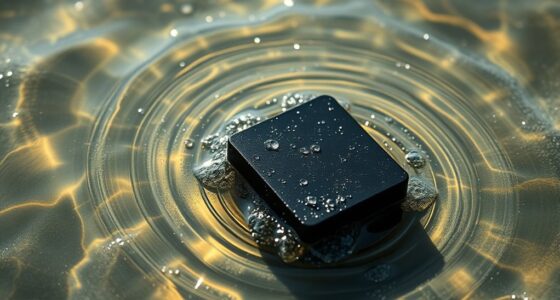
EASYTEST 7-Way Pool Test Strips, 150 Strips Water Chemical Testing for Hot tub and Spa, Accurate Test Bromine, Total Alkalinity, pH, Free Chlorine, Total Hardness, Cyanuric Acid, and Total Chlorine
- 150 Test Strips Included: Enough for frequent water testing
- Quick and Accurate Results: Soak for 1 second, read in 15 seconds
- 7-in-1 Water Testing: Measures Bromine, pH, Chlorine, and more
As an affiliate, we earn on qualifying purchases.
As an affiliate, we earn on qualifying purchases.
Frequently Asked Questions
How Often Should I Replace My Pool’s Water?
You should replace your pool’s water every 3 to 5 years, but consistent pool maintenance and regular water testing help prolong its clarity and safety. Test your water weekly for pH, chlorine, and alkalinity levels, adjusting chemicals as needed. If you notice persistent cloudiness, algae, or unexplained odor, it’s time to drain and refill. Proper water testing and maintenance ensure your pool stays inviting and safe year-round.
What’s the Best Way to Prevent Algae Growth?
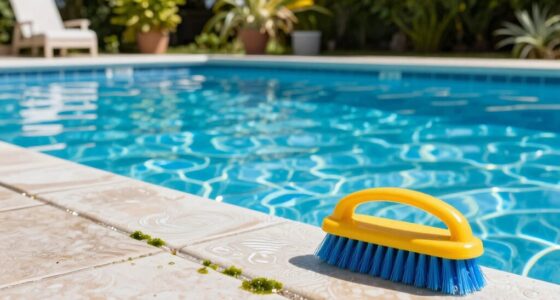
To prevent algae growth, you need consistent algae prevention strategies. Regularly brush your pool’s walls and floor to remove algae spores. Maintain proper chemical balance, especially chlorine levels, to inhibit algae growth. Use algae inhibitors or organic alternatives like barley straw or copper-based products as preventive measures. Keep your pool filtered and circulation steady. These steps help keep algae at bay, ensuring your pool stays clear, clean, and inviting every day.
How Can I Reduce Chemical Usage Safely?
A stitch in time saves nine, so start by maintaining natural filtration and proper chemical balancing to reduce chemical usage safely. Regularly clean your filters and monitor pH and sanitizer levels, which helps minimize the need for excess chemicals. Using natural filtration methods like sand or cartridge filters also decreases chemical reliance. This proactive approach keeps your pool safe, clean, and eco-friendly, all while reducing chemical consumption effectively.
What Are Signs of Pool Equipment Malfunction?
You’ll notice signs of pool equipment malfunction if your pool’s water isn’t clear or if the pump sounds unusual. Check your pool filter regularly for clogs or debris, as a dirty filter can hinder circulation. Also, monitor your pump for leaks, vibrations, or decreased flow, which indicate it needs maintenance. Promptly addressing these issues guarantees your pool stays clean and equipment runs smoothly, preventing costly repairs.
Can I Use Natural Methods to Keep My Pool Clean?
Yes, you can use natural methods to keep your pool clean. Implement natural filtration systems like sand or biological filters, which use beneficial bacteria to break down organic waste. Additionally, consider organic treatments such as enzyme-based cleaners or plant-based clarifiers to reduce algae and debris naturally. These methods minimize chemical use, keep your water clear, and create a healthier swimming environment, ensuring your pool looks inviting every day.
Conclusion
Think of your pool as a well-loved garden—consistent care keeps it vibrant and inviting. By sticking to these daily habits, you’re channeling the dedication of a devoted gardener, ensuring your pool remains a sparkling oasis. Just like a timeless masterpiece, a pool that’s always ready reflects your commitment and attention. Keep up the routine, and your backyard paradise will be the envy of all, shining brilliantly through every season.