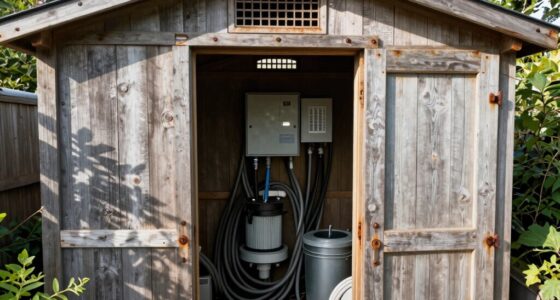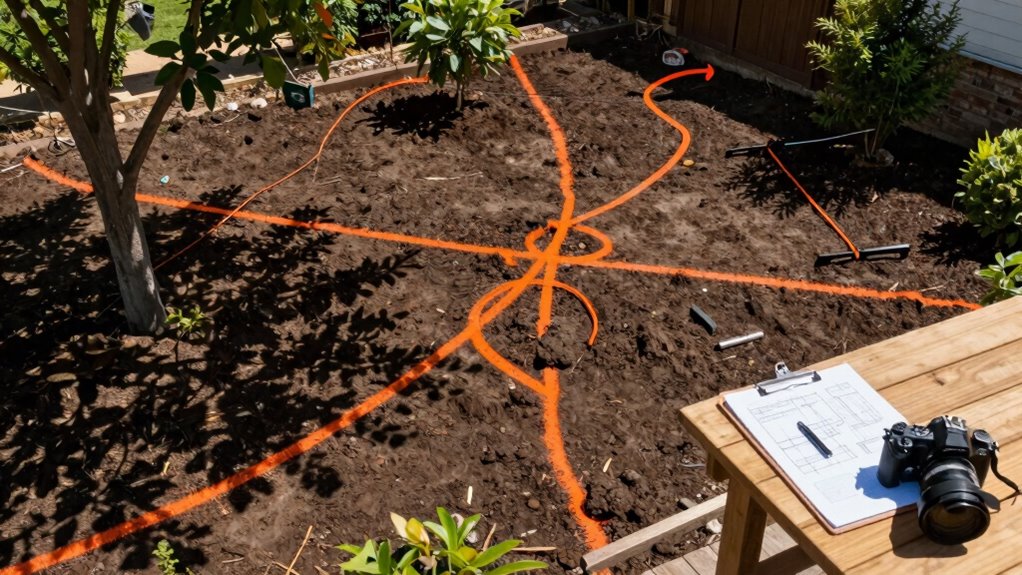
Before digging for a pool, you should schedule utility checks to identify underground cables, pipes, and nearby utility poles. Contact local utility companies to get accurate maps, but remember, maps can be outdated. Use professional detection tools to locate underground wiring and avoid damaging essential infrastructure. Proper safety checks prevent accidents, outages, and costly repairs, keeping your project on track. If you keep going, you’ll discover how to guarantee your excavation remains safe and trouble-free.
Get ready for Prime Big Deal Days — try Prime free
Exclusive member deals on October 6–7, plus fast free delivery. Cancel anytime.
As an affiliate, we earn on qualifying purchases.
Key Takeaways
- Verify utility pole locations to avoid accidental contact with power, phone, or cable lines.
- Conduct underground wiring inspections using professional detection equipment before digging.
- Consult updated utility maps and confirm their accuracy with utility companies.
- Use specialized tools and professional services for precise underground utility location.
- Ensure all utility checks are completed to prevent damage, outages, and safety hazards during excavation.
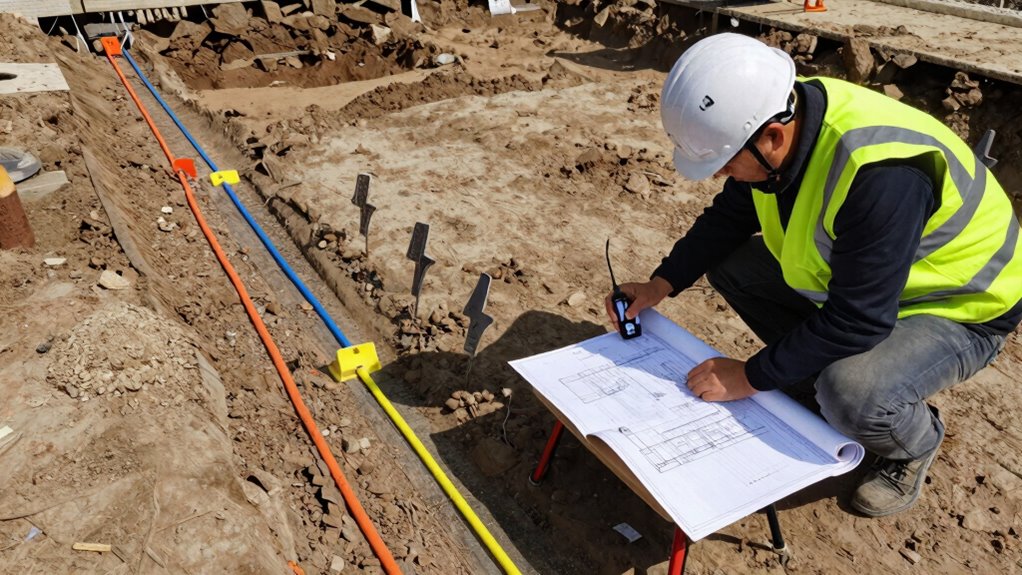
Have you ever wondered what could go wrong if you skip utility checks before digging for a pool? It might seem like a straightforward project, but overlooking essential safety checks can lead to dangerous and costly mistakes. One of the first things you need to consider is the utility pole locations around your property. These poles often carry essential power lines, phone lines, or cable connections. If you don’t identify their exact positions, you risk accidentally hitting these poles or damaging the lines, which can cause outages, costly repairs, or even serious injuries. Before you start digging, consult the local utility companies or use available maps to mark these utility pole locations clearly on your property. This step helps guarantee your excavation stays safely away from them.
Along with utility pole locations, underground wiring inspections are essential. Many homes and properties have underground cables running beneath the surface, and these are often unmarked or forgotten about. If you ignore underground wiring inspections, you could hit live wires, which pose electrocution hazards and may cause fires or power outages. To prevent this, hire professionals to perform underground utility scans or use specialized detection equipment to locate any hidden wiring before you dig. These inspections can reveal the precise paths of cables, pipes, or conduits buried beneath your yard, allowing you to plan your excavation around them with confidence. Ignoring underground wiring can lead to dangerous accidents, so thorough inspections are vital. Additionally, understanding the location of utility lines helps prevent unnecessary damage and ensures your safety throughout the project. Proper planning based on accurate utility detection can significantly reduce the risk of mishaps during excavation.
It’s also important to recognize that utility maps may not always be up-to-date or accurate, which underscores the need for professional detection methods. Relying solely on guesswork or outdated maps can be dangerous. That’s why it’s essential to have trained professionals perform detailed underground wiring inspections, using advanced detection tools that identify even small or poorly marked cables. These inspections not only protect your safety but also prevent damage to vital infrastructure, which could lead to inconvenient outages or hefty repair bills. Taking these precautions may seem time-consuming, but they are crucial for a safe and successful project.
underground utility detection tools
As an affiliate, we earn on qualifying purchases.
As an affiliate, we earn on qualifying purchases.
Frequently Asked Questions
How Long Does a Typical Utility Check Process Take?
A typical utility check process usually takes between one to three days, depending on the complexity and location. You should expect utility check procedures to include underground utility mapping, which helps identify existing lines and avoid damage. This process involves contacting utility companies, scheduling inspections, and reviewing maps. Being patient guarantees accurate results, minimizing risks and delays during your pool installation.
Are There Any Costs Associated With Utility Checks?
Yes, there are costs associated with utility checks. You’ll typically pay the utility company for services like locating underground lines or confirming utility placements. These costs can vary based on the scope of work and the utility provider’s policies. Keep in mind, neglecting these checks might lead to costly damages or service interruptions later, so investing in them upfront helps you avoid significant cost implications down the line.
Can Utility Checks Detect All Underground Utilities Accurately?
Utility detection and underground mapping can’t detect all underground utilities perfectly. While they greatly reduce risks, some utilities might be missed due to outdated records, shallow depths, or complex underground environments. You should always combine utility checks with physical site inspections and consult local utility companies for the most accurate information. This thorough approach helps guarantee safety and minimizes the chance of damaging unseen utilities during your pool dig.
Who Is Responsible for Arranging Utility Checks?
It’s usually you who’s responsible for arranging utility checks, especially after the utility company informs you of the need for a permit application. Coincidentally, contacting the utility company early guarantees they’re involved in the process, preventing costly surprises. They’ll coordinate the necessary utility checks, making sure all underground lines are marked. By taking charge, you avoid delays and ensure safety before starting your pool excavation.
What Should I Do if Utilities Are Found During the Check?
If utilities are found during the check, you should immediately contact the utility company to confirm the markings and clarify any remaining concerns. Keep emergency contacts handy in case urgent issues arise. Do not proceed with excavation until the utility lines are clearly marked and you have received approval from the utility providers. This guarantees safety and compliance, preventing potential damage or accidents during your pool installation.
Conclusion
Before digging your pool, always verify utility lines to prevent accidents and costly damages. Think of it like testing a hypothesis in science—checking the unseen helps avoid unexpected outcomes. By conducting these essential utility checks, you create a safe, smooth start for your project. Visualize it as drawing a clear map before a journey; knowing what’s underground guarantees your pool installation goes off without a hitch, saving time, money, and potential hazards.
Evergreen bestsellers Picks
bestsellers
As an affiliate, we earn on qualifying purchases.