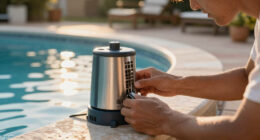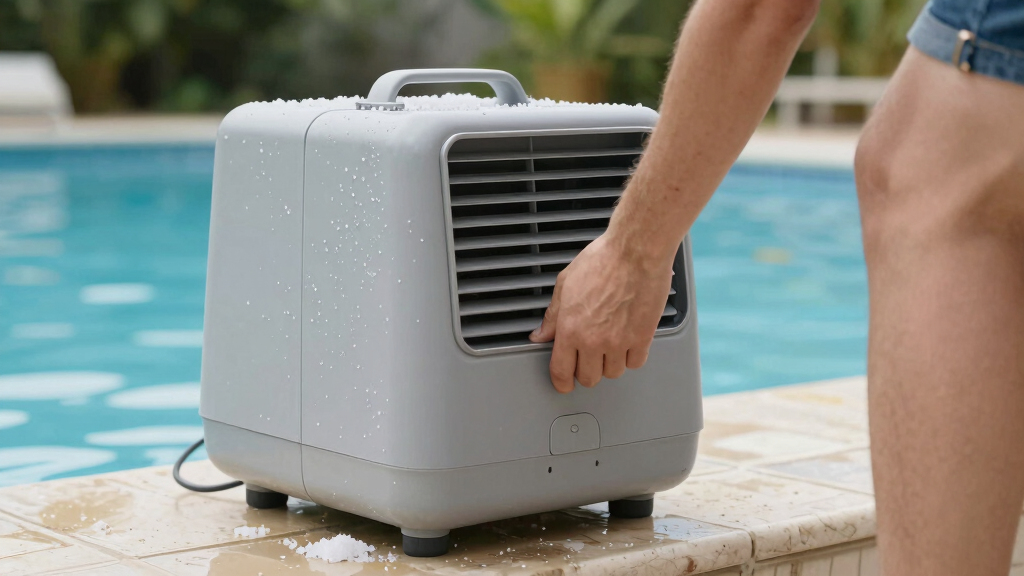
Choosing the right oversized saltwater chlorinator depends on your pool size, maintenance preferences, and budget. The Hayward Salt System Aquarite stands out for its reliability and ease of use, making it ideal for larger pools up to 40,000 gallons. The Self-Cleaning Saltwater Chlorinator offers excellent efficiency for pools up to 15,000 gallons with minimal maintenance, perfect for mid-sized pools. Meanwhile, the Smart Saltwater Chlorinator System introduces smart technology and remote control, suited for tech-savvy owners with pools just under 16,000 gallons. Each has tradeoffs: capacity limits, complexity, and price, but they all aim to deliver soft, sanitized water with less hassle.
Key Takeaways
- Capacity range varies from 15,000 to 40,000 gallons, influencing suitability for different pool sizes.
- Features like self-cleaning and Wi-Fi control add convenience but may increase upfront costs.
- Ease of installation and maintenance differ, with some models supporting existing systems and others requiring more setup.
- Price points reflect added features, with premium options offering advanced monitoring and remote control.
- Tradeoffs include capacity limits, complexity, and ongoing costs versus ease of use and automation.
| Hayward Salt System Aquarite Salt Chlorine Generator for In-Ground Pools up to 40,000 Gallons, W3AQR15 Replacement for AQR15 |  | Best Overall for Large Pools | Pool Capacity: Up to 40,000 gallons | Control Type: Digital LCD display | Power Consumption: Moderate | VIEW LATEST PRICE | See Our Full Breakdown |
| Saltwater Chlorinator System for Above Ground Pools up to 15,000 Gallons, Test Strip Included, Self-Cleaning Saltwater Pool Chlorinator Generator |  | Best for Mid-Sized Above-Ground Pools | Pool Capacity: Up to 15,000 gallons | Electrode Type: Titanium, self-cleaning | Control Panel: LED with 7 functions | VIEW LATEST PRICE | See Our Full Breakdown |
| Smart Saltwater Chlorinator System for Above Ground Pool, Up to 15,800 Gallons, Built-in Wi-Fi & App Remote Control |  | Best for Tech-Savvy Owners | Pool Capacity: Up to 15,800 gallons | Connectivity: Wi-Fi & App control | Chlorine Output: 12 g/h | VIEW LATEST PRICE | See Our Full Breakdown |
More Details on Our Top Picks
Hayward Salt System Aquarite Salt Chlorine Generator for In-Ground Pools up to 40,000 Gallons, W3AQR15 Replacement for AQR15
This Hayward model is designed for in-ground pools up to 40,000 gallons, offering consistent chlorine distribution with minimal user intervention. Its digital LED monitor provides clear alerts and adjustable chlorine output, making it user-friendly for larger pool owners who want reliable, low-maintenance sanitation. Compared with smaller or less sophisticated systems, it excels in capacity and integration with automation systems, but it’s more expensive and requires no additional plumbing for installation. The inclusion of the TurboCell makes it durable and efficient, though some users note that installation can be complex without prior experience.
Pros:- High capacity suitable for large pools
- Reliable and consistent chlorine output
- Easy integration with automation systems
- Intuitive digital controls
Cons:- Higher price point
- Installation can be complex for beginners
- Requires some technical setup
Best for: Pool owners with large in-ground pools needing dependable, automatic chlorine generation.
Not ideal for: Owners with above-ground pools or smaller pools under 15,000 gallons seeking simpler or more affordable options.
- Pool Capacity:Up to 40,000 gallons
- Control Type:Digital LCD display
- Power Consumption:Moderate
- Includes:TurboCell Salt Cell
- Installation:No extra plumbing needed
- Compatibility:Hayward automation systems
Bottom line: This pick provides excellent capacity and reliability, making it the top choice for large in-ground pools willing to invest in ease and automation.
Saltwater Chlorinator System for Above Ground Pools up to 15,000 Gallons, Test Strip Included, Self-Cleaning Saltwater Pool Chlorinator Generator
This system is tailored for pools up to 15,000 gallons, featuring a self-cleaning titanium electrode that extends the lifespan and reduces maintenance. Its LED control panel offers seven functions and adjustable run times, making it straightforward for pool owners seeking efficient, low-hassle operation. While it’s ideal for medium-sized above-ground pools, its capacity limits it for larger pools, and some users mention that the self-cleaning function, while helpful, can sometimes be less effective in very dirty water. Its energy efficiency and ease of use make it a solid choice for this pool size range, but it lacks Wi-Fi or app control, which could be a disadvantage for tech enthusiasts.
Pros:- Self-cleaning titanium electrodes
- Easy-to-use LED control panel
- Energy-efficient operation
- Suitable for above-ground pools
Cons:- Limited capacity for larger pools
- No remote or Wi-Fi control
- Moderate price for features offered
Best for: Pool owners with above-ground pools up to 15,000 gallons valuing low maintenance and efficiency.
Not ideal for: Owners of larger pools or those seeking smart features and remote monitoring.
- Pool Capacity:Up to 15,000 gallons
- Electrode Type:Titanium, self-cleaning
- Control Panel:LED with 7 functions
- Energy Use:Low
- Includes:Test strips
- Installation:Seamless with existing filters
Bottom line: This model balances ease of use and maintenance with sufficient capacity for mid-sized above-ground pools, but lacks advanced connectivity features.
Smart Saltwater Chlorinator System for Above Ground Pool, Up to 15,800 Gallons, Built-in Wi-Fi & App Remote Control
This system introduces smart technology for pools up to 15,800 gallons, with built-in Wi-Fi and app control allowing remote monitoring and adjustments. Its automatic condition monitoring alerts you to high salinity, low flow, or low salt levels, simplifying maintenance. The chlorine is generated via electrolysis with self-cleaning titanium plates, ensuring longevity. Compared with other models in this capacity range, its remote features and real-time updates justify a higher price, though some users report initial setup challenges. It’s ideal for owners who want maximum convenience and advanced control, but it might be overkill for those preferring simple operation.
Pros:- Built-in Wi-Fi and app control
- Real-time water condition monitoring
- Automatic electrolytic chlorine production
- Self-cleaning titanium plates
Cons:- Higher cost
- Requires stable Wi-Fi connection
- Setup can be complex for some users
Best for: Owners of above-ground pools under 16,000 gallons who prioritize connectivity and smart automation.
Not ideal for: Pool owners on a tight budget or those who prefer manual, non-connected systems.
- Pool Capacity:Up to 15,800 gallons
- Connectivity:Wi-Fi & App control
- Chlorine Output:12 g/h
- Water Monitoring:Real-time via app
- Cleaning:Self-cleaning plates
- Installation:Plug-and-play with Wi-Fi setup
Bottom line: This model offers unmatched convenience through remote control and smart alerts, making it the best choice for modern, tech-oriented pool owners.

How We Picked
To select the best oversized saltwater chlorinators, I examined models that serve large pools, prioritizing capacity, durability, ease of installation, maintenance features, and smart capabilities. I compared user reviews, warranty offerings, and compatibility with existing systems. I focused on products that balance performance with value, considering both basic and advanced features, and looked for models with proven reliability and positive feedback from pool owners. This approach ensures each pick meets different needs, from straightforward operation to high-tech automation.
Factors to Consider When Choosing Best Oversized Saltwater Chlorinator
Selecting the best oversized saltwater chlorinator involves evaluating your pool size, desired features, and budget. Larger pools demand higher capacity units, but additional features like self-cleaning or remote control can significantly enhance convenience. Understanding the differences in installation complexity, maintenance, and connectivity options helps narrow down choices. This guide highlights key factors to consider before making your investment, ensuring you find a system that balances performance with ease of use.
Capacity and Pool Size Compatibility
The primary consideration for an oversized saltwater chlorinator is its capacity relative to your pool size. Always choose a model rated for at least your pool’s gallons to ensure proper sanitation. Oversized units can provide more consistent chlorine levels and handle fluctuations in usage, but going beyond your pool’s needs may lead to unnecessary costs. For large in-ground pools, a capacity of 40,000 gallons or more is ideal, while above-ground pools typically require models up to 15,000 gallons.
Features and Automation
Modern saltwater chlorinators offer features like self-cleaning electrodes, digital displays, and Wi-Fi connectivity. Self-cleaning plates reduce maintenance, especially in pools with high debris or algae. Digital controls allow precise chlorine management, and Wi-Fi or app integration provides remote monitoring—great for busy owners. However, these features often come at a premium and can add complexity during setup. Determine which features align with your comfort level and maintenance preferences.
Ease of Installation and Compatibility
Some models support plug-and-play installation, fitting seamlessly into existing pool systems without extra plumbing. Others may require additional setup or integration with automation systems. Consider your technical comfort and the existing equipment. Compatibility with your filter pump and automation controls can streamline operation. Keep in mind that more advanced systems with remote control might require a stable Wi-Fi network and smartphone app setup, adding to initial effort but providing long-term convenience.
Price and Long-Term Costs
While high-end models with smart features tend to cost more upfront, they can reduce ongoing maintenance and chemical costs. Self-cleaning electrodes extend the lifespan and lessen manual cleaning. Conversely, simpler models may be more affordable initially but could require more frequent maintenance. Balance your budget with your desire for automation, ease of operation, and capacity to select the best long-term value.
Maintenance and Durability
Durability depends on material quality, especially of the salt cell. Titanium plates with self-cleaning functions tend to last longer and resist corrosion better. Regular checks of salt levels and chlorine output are necessary, regardless of the model. Consider warranty and customer support reputation to ensure your investment remains protected. Automated features can simplify maintenance, but manual systems might require more hands-on upkeep.
Frequently Asked Questions
How do I determine the right size saltwater chlorinator for my pool?
The key is to match the chlorinator’s capacity with your pool’s total gallons. For pools up to 15,000 gallons, a system rated for that volume or higher is sufficient. Larger pools need units rated for 40,000 gallons or more to ensure proper sanitation. Always select a model that slightly exceeds your pool size to account for temperature fluctuations and usage variability, which helps maintain consistent chlorine levels and water quality.
What are the main advantages of self-cleaning saltwater chlorinators?
Self-cleaning chlorinators reduce manual maintenance by automatically reversing polarity to clear mineral buildup on the plates. This prolongs the lifespan of the salt cell and keeps efficiency high. Owners benefit from less frequent cleaning, fewer chemical imbalances, and longer system durability. However, these systems tend to be more expensive initially, and some users note that very dirty or debris-filled pools might still require occasional manual cleaning.
Is Wi-Fi connectivity worth the extra cost in a saltwater chlorinator?
Wi-Fi connectivity offers significant convenience by enabling remote monitoring and control via smartphone apps. This is especially useful for busy owners or those who want to adjust chlorine levels without manual intervention. However, it comes with a higher price and potential setup complexity. If you prefer simple, manual operation and don’t mind routine checks, a non-connected system may be more cost-effective and easier to manage.
Can I install a saltwater chlorinator myself?
Many models support straightforward installation, often with minimal plumbing or electrical work, making DIY setup feasible for owners with basic technical skills. More advanced or integrated systems may require professional installation, especially if they involve electrical wiring or automation integration. Always follow manufacturer instructions and consider consulting a professional if unsure, to ensure safety and optimal performance.
What maintenance is required for oversized saltwater chlorinators?
Routine maintenance involves checking salt and chlorine levels, inspecting the salt cell for mineral buildup, and cleaning the plates as recommended. Self-cleaning models reduce manual effort, but periodic checks are still necessary. Replacing the salt cell typically occurs every 3-5 years depending on usage and water quality. Proper maintenance ensures longevity and consistent water sanitation, ultimately saving you time and money.
Conclusion
For large in-ground pools, I recommend the Hayward Salt System Aquarite for owners prioritizing reliability and ease of automation. Mid-sized above-ground owners will find the self-cleaning system ideal for low-maintenance operation, while tech-savvy pool owners seeking maximum convenience should consider the smart Wi-Fi-enabled chlorinator. Your choice depends on pool size, desired features, and budget—matching these factors will lead to the best water quality and minimal hassle.