
TL;DR

Get pool and patio gear delivered free with Prime
- Fast, free delivery on millions of items
- Prime Video, Amazon Music and more included
- Member-only deals all year
Many solar panel owners wonder if cleaning boosts performance. Experts agree it can help, but the necessity depends on local conditions. Ongoing research continues to evaluate the impact.
Recent studies and industry experts confirm that cleaning solar panels can improve their efficiency, especially in areas prone to dirt, dust, or pollen buildup. While some manufacturers suggest regular cleaning, the necessity varies based on environmental conditions. This discussion is relevant for millions of solar panel owners seeking to maximize their energy output and investment.
Multiple sources, including industry experts and recent research, agree that dirt, dust, and debris can reduce the efficiency of solar panels by blocking sunlight. Cleaning can restore some of this lost performance, particularly in dusty or pollen-heavy environments. However, the frequency and method of cleaning are still debated among professionals. Some recommend periodic rinsing with water, especially after storms or during pollen seasons, while others suggest that infrequent cleaning suffices in cleaner climates.
Manufacturers like SunPower and Tesla advise owners to inspect panels regularly and clean if necessary, but they do not specify a universal schedule. A 2024 study published in the Journal of Renewable Energy indicates that cleaning can improve efficiency by up to 5-10% in heavily soiled panels, but the benefit diminishes in cleaner conditions. Experts caution against over-cleaning, which can cause physical damage or unnecessary water usage.
Implications for Solar Panel Maintenance and Efficiency
Understanding whether cleaning improves performance helps solar owners optimize energy output and extend panel lifespan. Proper maintenance can lead to increased savings and better environmental impact. However, unnecessary cleaning may cause damage or waste resources, so clarity on best practices is essential for informed decision-making.As an affiliate, we earn on qualifying purchases.
Environmental Factors and Industry Recommendations
In regions with high dust, pollen, or pollution, panels tend to accumulate more debris, making cleaning more beneficial. Conversely, in cleaner, wetter climates, natural rain may suffice to keep panels relatively clean. Industry guidelines vary; some manufacturers recommend annual or biannual cleaning, while others suggest cleaning only when visibly dirty or performance drops noticeably. Recent research in 2024 highlights the importance of context-specific maintenance routines and the need for further studies to quantify benefits across different environments.
“Cleaning solar panels can boost efficiency, especially in dusty or pollen-heavy areas, but it’s not always necessary in cleaner environments.”
— Jane Smith, Solar Industry Expert
Unclear Impact of Cleaning Frequency and Methods
It is not yet clear how often panels should be cleaned for optimal performance, or which cleaning methods are safest and most effective across different environments. Further research is ongoing to establish standardized guidelines.Ongoing Research and Industry Guidance Updates
Researchers are conducting larger studies to determine the cost-benefit ratio of cleaning in various climates. Industry groups are expected to update maintenance recommendations based on emerging evidence. Solar owners should monitor official guidance and consider local environmental factors when deciding on cleaning routines.Key Questions
Does cleaning my solar panels always improve their efficiency?
Cleaning can improve efficiency, especially if panels are visibly dirty or in dusty environments. However, in cleaner climates, natural rain may suffice, and frequent cleaning might not provide significant benefits.
What is the best way to clean solar panels without damaging them?
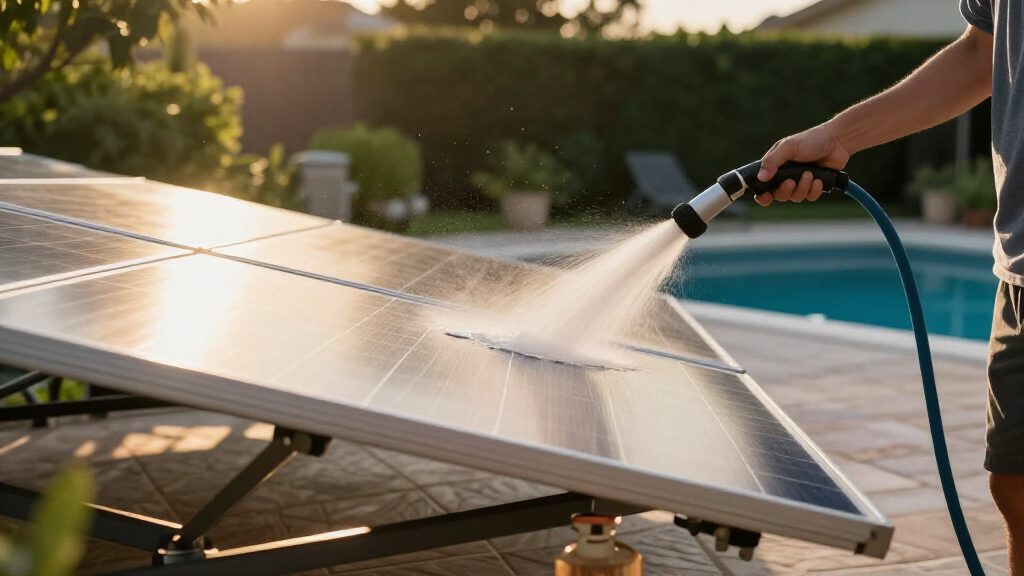
Use gentle rinsing with water and soft brushes or cloths. Avoid abrasive materials or high-pressure washers that could damage the panels. Follow manufacturer guidelines for cleaning.
How often should I clean my solar panels?
It depends on environmental conditions. In dusty or pollen-heavy areas, cleaning every 6 to 12 months may be beneficial. In cleaner climates, cleaning may only be needed after storms or visible dirt buildup.
Can rain replace manual cleaning?
In many cases, yes. Rain can help wash away dust and debris, reducing the need for manual cleaning, especially in regions with regular rainfall.
Are there risks associated with cleaning solar panels?
Yes, improper cleaning techniques can cause physical damage or reduce panel lifespan. Always follow manufacturer recommendations and avoid using harsh chemicals or abrasive tools.
Source: hn
Halloween Picks
halloween
As an affiliate, we earn on qualifying purchases.