TL;DR
Goldie Hawn advocates for a single-plant rule to elevate patio aesthetics, creating a more upscale look without high costs. This approach simplifies outdoor design and enhances visual appeal.
Actress and lifestyle icon Goldie Hawn has popularized a simple yet impactful gardening rule: limit patios to just one plant. This approach is said to make outdoor spaces appear more luxurious and expensive, even on a limited budget. The trend is gaining traction among homeowners and design enthusiasts who seek elegant outdoor aesthetics without the need for extensive planting or costly landscaping.
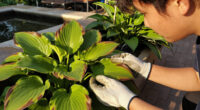
The core of Hawn’s advice is to focus on a single, well-chosen plant to serve as a focal point in a patio or garden area. This minimalist approach contrasts with crowded plantings and creates a clean, sophisticated look. Many interior and outdoor designers have echoed this sentiment, noting that a single, striking plant can elevate the overall appearance of a space, making it look more curated and upscale.
According to lifestyle sources, this rule simplifies maintenance, reduces visual clutter, and emphasizes quality over quantity. Experts suggest that selecting a statement plant—such as a tall fiddle leaf fig, a sleek snake plant, or a vibrant flowering shrub—can dramatically enhance the perceived value of an outdoor area. The idea is rooted in design principles that favor minimalism and focal points, which can trick the eye into perceiving a space as more expensive and thoughtfully curated.
While Hawn’s advice is often shared in the context of small patios or budget-friendly setups, it is also applicable to larger outdoor spaces. The concept has been embraced by social media influencers, garden designers, and homeowners looking for quick, impactful ways to upgrade their outdoor environment without extensive renovation or planting expenses.
Why the One-Plant Rule Matters for Home Aesthetics
This trend underscores how simple design principles can influence perceptions of value and style. By limiting the number of plants, homeowners can create a more refined, elegant look that mimics high-end landscaping. It also encourages strategic plant selection, which can reduce upkeep and costs while boosting visual impact. The approach aligns with broader minimalist trends in interior and exterior design, emphasizing quality and statement pieces over clutter.
For many, this advice offers an accessible way to improve outdoor spaces, particularly for those on a budget or with limited gardening experience. It demonstrates that impactful design doesn’t require extensive resources—just thoughtful choices and restraint. As outdoor living continues to grow in popularity, such simple tips can help homeowners achieve more polished, expensive-looking patios without significant investment.
As an affiliate, we earn on qualifying purchases.
Origins and Growing Popularity of the Single-Plant Concept
The idea of using minimal plants in outdoor design is not new, but it has gained renewed attention through lifestyle figures like Goldie Hawn. Her endorsement reflects a broader shift towards minimalist aesthetics, which emphasize clean lines and focal points over cluttered arrangements. The trend has been amplified by social media platforms, where influencers showcase how a single, well-placed plant can transform a space.
Historically, landscape design has balanced lushness with simplicity, but recent trends favor the latter for its ease of maintenance and visual clarity. The concept aligns with modern preferences for sustainable and low-maintenance gardening, where fewer plants mean less watering, pruning, and overall upkeep. This shift has also been influenced by the rise of container gardening and urban outdoor spaces, where space is limited and simplicity is key.
Hawn’s promotion of this rule appears to be part of a larger movement encouraging accessible, stylish outdoor design that anyone can implement, regardless of gardening expertise or budget constraints.
“Focusing on just one plant allows you to create a statement piece that elevates your entire patio.”
— Goldie Hawn
What Aspects of the One-Plant Rule Are Still Unclear
While the concept is gaining popularity, it is not yet clear how universally effective or applicable it is across different climate zones, patio sizes, or personal styles. Some critics argue that a single plant may not suit all aesthetic preferences or functional needs, such as privacy or shade. Additionally, the long-term impact on plant health and garden ecology remains unstudied in this context.
It is also uncertain whether this approach will be adopted widely beyond social media and lifestyle circles or if it will be integrated into professional landscape design standards. More empirical evidence or expert consensus is needed to confirm its effectiveness across diverse outdoor environments.
Next Steps for Homeowners Considering the Single-Plant Approach
Homeowners interested in adopting this style should begin by selecting a statement plant suited to their climate and space. Consulting with local garden centers or landscape professionals can help ensure the plant’s health and suitability. Experimenting with different focal plants and observing how they complement existing outdoor features is advisable.
Further research and sharing of real-world results are expected to refine the approach. As more people try this method, there may be updates or variations tailored to specific regions or aesthetic preferences. Home improvement shows, garden expos, and online communities are likely to feature more examples and tips in the coming months.
In the meantime, adopting this minimalist principle can serve as a quick, cost-effective way to elevate outdoor spaces and create a more polished look.
Key Questions
Does the single-plant rule work for small patios?
Yes, focusing on one statement plant can maximize visual impact in small spaces, making them appear larger and more elegant.
What types of plants are best for this approach?
Statement plants like tall fiddle leaf figs, sleek succulents, or vibrant flowering shrubs are popular choices for creating focal points.
Is this method suitable for all climates?
Effectiveness depends on selecting plants suited to local climate conditions; consulting local experts can help ensure success.
Can this approach replace traditional landscaping?
It is more of a design principle than a replacement; it works best when integrated with other landscaping elements for a balanced outdoor space.
Does limiting plants reduce maintenance costs?
Generally, yes. Fewer plants mean less watering, pruning, and overall upkeep, making it ideal for low-maintenance outdoor design.
Source: rss