
TL;DR
A Homes & Gardens report, citing two gardening professionals, advises against cutting back seven plants in October: sedum, ornamental grasses, coneflowers, lilyturf, and three others. Their dried stems and seed heads may shelter wildlife and help protect plants during winter; the report recommends waiting until spring, with timing adjusted to local conditions.
Homes & Gardens has published advice from two gardening experts to leave seven plants uncut in October, rather than clearing their faded stems and seed heads before winter. The report says keeping them standing can provide wildlife food and shelter and help shield plant crowns from cold, though appropriate care and pruning dates depend on the plant and local climate.

Get pool and patio gear delivered free with Prime
- Fast, free delivery on millions of items
- Prime Video, Amazon Music and more included
- Member-only deals all year
The plants named in the report are sedum, ornamental grasses, coneflowers, lilyturf (also called monkey grass or Liriope), plus three additional plants. The supplied report excerpt does not identify the remaining three, so they cannot be named here. The advice is not a blanket instruction to stop all October pruning: the article says some fall pruning can be part of garden preparation, while these plants may benefit from being left alone.
Horticulture expert Shannon Barnette of The Dawes Arboretum recommends delaying spring cleanup until temperatures have been above 50 degrees for a week, to give overwintering pollinators time to emerge. She says sedum’s standing growth can protect its crown from harsh winter weather and late spring frost. Barnette also advises against mulching sedum because excess moisture may cause crown or root rot.
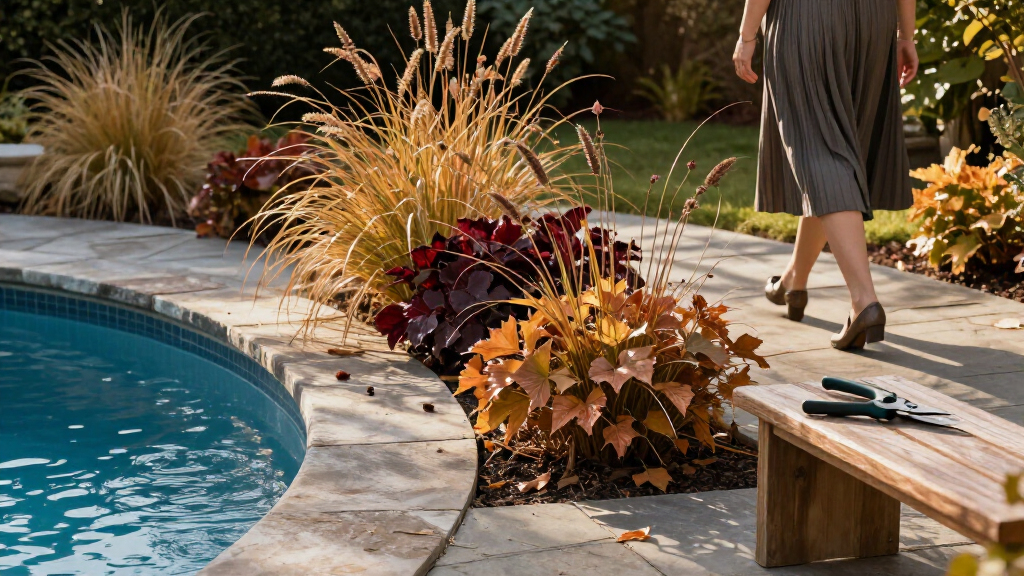
For ornamental grasses, garden designer Lee Miller recommends cutting back in late March or early April, after the frost threat has passed and before new growth appears. She says fall cutting can expose the plant’s center to freezing temperatures and snow. The report says coneflower seed heads can feed birds, while hollow stems can offer pollinator habitat; potted coneflowers may need a sheltered position or burlap protection in colder conditions. Miller recommends leaving lilyturf intact until early spring growth appears, then cutting it to one or two inches above the ground.
Winter Growth Supports Wildlife
Leaving some garden growth standing changes fall cleanup from a purely visual task into a decision about winter habitat and plant protection. Coneflower seed heads can remain available to birds, and hollow stems may provide shelter for overwintering pollinators, according to Barnette and the report. Faded foliage may also cover crowns and roots exposed to frost.
The guidance is practical rather than universal: it gives gardeners a reason to avoid cutting these plants simply to make beds look tidy, while noting that species and local winter conditions matter. Waiting can preserve food and cover through cold months, but the report does not claim that every garden or plant will need the same treatment.
Products Worth Considering

Sonos Era 300 Wireless Smart Speaker with Dolby Atmos, Black

eufy Security SoloCam E42 4-Camera Kit, 4K Solar Security Camera System

Hisense E6 Cinema Series 55-Inch 4K UHD QLED Smart Fire TV
As an affiliate, we earn on qualifying purchases.
October Cleanup, Spring Pruning
The Homes & Gardens article addresses a common seasonal choice: whether to remove faded growth as gardens enter winter. It draws on comments from Barnette, a horticulture manager at The Dawes Arboretum, and Miller, a landscape and garden designer. Their recommendations differ by plant: ornamental grasses have a suggested late-March or early-April cutback window, while lilyturf should be cut once new growth begins.
The report gives sedum and coneflower a stated hardiness range of USDA zones 3–9, but that range does not establish the right care for every location or variety. It also notes that some ornamental grasses may benefit from light fall mulch, while recommending research into the needs of the specific grass. The advice therefore supports selective cleanup, not neglect of all fall garden tasks.
“Cutting back ornamental grasses in fall can subject the center of the plant to freezing temperatures and snow, causing the crown to hollow out.”
— Lee Miller, landscape and garden designer
Local Conditions Shape Timing
The supplied article excerpt names only four of its seven plants, leaving the other three unspecified. It also does not provide a single cutback date suitable for every region: frost patterns, plant variety, and garden conditions affect timing. The experts’ recommendations are attributed guidance, not evidence that leaving every listed plant standing will prevent all winter damage or support wildlife in every garden.
The report does not specify how its recommendations apply to all cultivars or unusual weather conditions. Gardeners should check care guidance for the particular plant and local climate, especially where winter moisture or prolonged freezes are concerns.
Check Plants Before Spring Cutting
For now, the report’s advice is to identify the plants in the garden before doing a broad October cutback, and leave the named growth standing where appropriate. During winter, gardeners can review local forecasts and plant-specific care needs rather than treating the suggested dates as fixed rules.
In spring, look for the conditions described by the experts: Barnette uses a week of temperatures above 50 degrees as a cue for cleanup, while Miller advises pruning ornamental grasses after frost risk has passed but before new growth appears, and trimming lilyturf when its first new growth shows. The source does not give a complete list of all seven plants in the material provided.
Key Questions
Which plants does the report say to leave standing in October?
The supplied excerpt names sedum, ornamental grasses, coneflowers, and lilyturf. Although its headline refers to seven plants, the excerpt provided does not identify the other three.
Why leave faded coneflowers through winter?
The report says coneflower seed heads can feed birds, including goldfinches, chickadees, and juncos. Its hollow stems may also provide shelter for overwintering pollinators.
When should ornamental grasses be cut back?
Lee Miller recommends late March or early April, after the threat of frost has passed and before new growth appears. That timing may need adjustment to local conditions.
When should lilyturf be trimmed?
Miller recommends waiting until early spring, when the first signs of new growth appear, then cutting the plant to about one or two inches above the ground.
Should sedum be mulched for winter?
Barnette advises against mulching sedum because trapped excess moisture can contribute to crown and root rot. Check guidance for the specific plant and local conditions before changing its care.
Source: rss