
Before choosing a pool heater for shoulder seasons, consider climate, pool size, and how often you’ll swim. Solar heaters save money but work best in mild weather and smaller pools, while gas or electric models offer quick warmth but cost more long-term. Proper placement and easy maintenance boost efficiency. If you want reliable comfort during cooler months, explore your options carefully—more tips ahead can help you find the perfect fit for your needs.

Get pool and patio gear delivered free with Prime
- Fast, free delivery on millions of items
- Prime Video, Amazon Music and more included
- Member-only deals all year
Key Takeaways
- Assess local climate to determine if solar heaters can maintain comfortable temperatures during shoulder seasons.
- Consider a backup heating system for colder days or unpredictable weather conditions.
- Evaluate pool size and usage frequency to choose an appropriately sized and efficient heater.
- Factor in installation complexity and ongoing maintenance needs for long-term performance.
- Balance upfront costs with long-term savings, especially when opting for solar versus gas or electric heaters.
As the weather begins to cool but you still want to enjoy your pool, choosing the right heater becomes vital for extending your swimming season. When considering a pool heater for shoulder season use, solar heaters are often appealing because of their solar efficiency. They harness the sun’s energy, making them an eco-friendly choice that reduces your reliance on electricity or gas. However, keep in mind that their effectiveness depends heavily on sunlight availability and weather conditions. On cloudy days or during early mornings and late afternoons, solar heaters might not provide enough warmth, so you need to assess whether they can meet your desired water temperature consistently. Additionally, understanding solar heater efficiency can help you determine if this option will work well for your specific climate and usage patterns.
Energy costs play an important role in your decision. Solar heaters tend to have lower operating costs since they use free solar energy, but their initial installation can be more expensive. While the upfront investment might seem steep, the long-term savings on energy bills often outweigh the initial expense. Gas or electric heaters, on the other hand, can heat your pool more quickly and reliably, especially when outdoor temperatures drop substantially. But they come with higher energy costs over time, which can add up during extended shoulder seasons. Consider how often you’ll use your pool and how vital consistent comfort is to your swimming experience when weighing these options.
Solar heaters save on operating costs but require higher initial investment for long-term savings.
Another factor to think about is the size of your pool. Larger pools require more energy to heat, which can influence your choice. Solar heaters are generally more cost-effective for smaller to medium-sized pools because they can efficiently transfer heat without excessive energy consumption. For bigger pools, you might need a more powerful heater, like a gas or electric model, to ensure your water stays warm enough, especially on cooler days. Also, think about your climate. If you live in a region with mild shoulder seasons, solar heaters can do a good job maintaining comfortable temperatures. If your area experiences colder weather, a backup heating method might be necessary to keep the water at a pleasant temperature. Moreover, climate considerations can significantly impact the effectiveness of different heating options, so evaluating local weather patterns is essential. Additionally, choosing a system with easy maintenance can help ensure your heater performs reliably throughout the season.
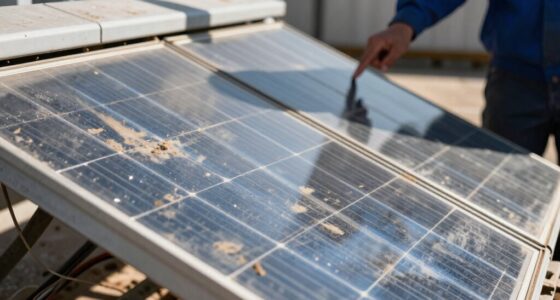
Furthermore, considering installation complexity and the availability of professional help can help you choose a system that fits your skill level and budget. It’s also beneficial to look into the long-term durability of different systems, as this can affect your overall investment and ongoing costs. Lastly, maintenance requirements vary between systems. Solar heaters require proper placement and sometimes additional equipment like heat exchangers or controllers, which can add to the initial costs. They also need regular cleaning of collectors to stay efficient. Gas or electric heaters are more straightforward to install but might require more routine maintenance and safety checks. Weigh these factors carefully to match your budget, climate, and how often you plan to swim during the shoulder season.
Frequently Asked Questions
How Energy-Efficient Are Pool Heaters for Shoulder Season Use?
Pool heaters for shoulder season use are quite energy-efficient if you choose models with high Energy Savings ratings, like solar or heat pump options. These heaters reduce environmental impact by consuming less power and utilizing renewable energy sources. To maximize efficiency, guarantee proper insulation and maintenance. By selecting an eco-friendly heater, you’ll enjoy your pool longer while minimizing energy costs and environmental footprint.
What Is the Typical Lifespan of a Pool Heater?
A typical pool heater lasts about 8 to 15 years with proper pool heater maintenance. Regular upkeep, like cleaning filters and checking connections, extends its lifespan and keeps costs manageable. Pool heater costs can vary based on type and size, but investing in quality and routine maintenance guarantees you get the most out of your heater. Proper care prevents early replacements, saving you money and ensuring your shoulder season swims stay warm.
Can I Install a Pool Heater Myself?
You can install a pool heater yourself, but keep in mind that 60% of pool owners find professional installation easier and more reliable. DIY installation might save money initially but could lead to costly mistakes if you’re unfamiliar with pool heater maintenance and the proper setup. Doing a cost comparison reveals professional installation costs but guarantees safety and efficiency, ultimately saving you money in the long run.
Are There Specific Safety Features to Look For?
Yes, you should look for safety features like safety certifications and child safety measures. *Guarantee* the pool heater is certified by recognized organizations such as UL or ETL, which indicates it meets safety standards. Additionally, consider features like automatic shut-off, temperature controls, and protective covers to prevent accidents. These safety features help protect children and *assure* safe operation during shoulder season use, giving you peace of mind while enjoying your pool.
How Quickly Can a Pool Heater Warm the Water?
Imagine you’re in a sci-fi movie, and a pool heater instantly warms your water—that’s the speed you can expect, depending on the pool heater types. Electric heaters heat faster than gas or solar options, often warming water in a few hours. Installation considerations, like proper size and placement, also affect how quickly your pool reaches the desired temperature. Choose wisely, and you’ll enjoy warm water sooner rather than later.
Conclusion
Think of your pool heater as a trusted companion during shoulder seasons—like a reliable friend who keeps your favorite spot warm when others start to fade. I once saw a pool owner struggle with an underpowered heater, only to realize later that investing in the right size made all the difference. Choosing wisely guarantees your swim season stays vibrant and enjoyable, turning those chilly days into opportunities for relaxation and fun. Don’t let a small mistake freeze out your summer memories.
Halloween Picks
halloween
As an affiliate, we earn on qualifying purchases.