TL;DR

Get pool and patio gear delivered free with Prime
- Fast, free delivery on millions of items
- Prime Video, Amazon Music and more included
- Member-only deals all year
An Amateur Gardening report outlines three autumn tasks: adjust houseplant care as growth slows, fill gaps in patio containers with seasonal bedding, and lift and store tender tubers where frost could damage them. The advice is seasonal gardening guidance, not a new policy or scientific finding; local conditions affect which plants need lifting and when.
Amateur Gardening has published three autumn gardening tasks to help protect plants as temperatures fall and daylight decreases: adjust houseplant care, refresh patio containers with seasonal bedding and lift tender tubers for storage where frost poses a risk. The guidance matters to gardeners because the timing and handling of plants now can affect their condition through winter and their prospects in spring.
For houseplants, the report advises changing care as growth slows. Its writer says they plan to stop feeding plants unless they are flowering and to water only when the compost is very dry, with watering potentially needed about every fortnight. That interval is presented as the writer’s approach, not a universal schedule: individual plants, room conditions and compost can affect how quickly pots dry out.
The report also recommends removing dead leaves and spent flowers, and wiping dust from foliage. As daylight shortens, some plants may benefit from being moved to a brighter position, but the writer cautions against sun scorch. Plants should not be left between closed curtains and cold windows overnight, where they may be chilled. The writer also describes placing a recovering Begonia rex ‘Red Kiss’ in a bathroom with muted light and moderate humidity; the plant’s recovery is an expectation, not a reported outcome.
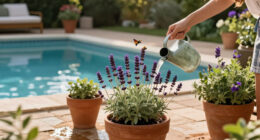
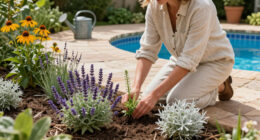
For patio pots, the article suggests filling spaces left by plants that have failed or been lifted with autumn and spring bedding. It recommends adding a little fresh compost and watering the new plants in with a weak seaweed-feed solution. The third job is preparing for tender tubers: dahlias, cannas, chocolate cosmos and tuberous begonias can be lifted and stored somewhere dry and frost-free. The report advises cutting stems to about 10 centimetres, storing tubers in dry compost or sand, and discarding parts that are soft or rotten.
Three Tasks Before Winter Sets In
These jobs address different risks that become more relevant as the season changes: slower houseplant growth, empty spaces in outdoor containers and frost damage to tender plants. Adjusting watering and feeding to a plant’s conditions may help avoid continuing summer routines when growth has slowed. Removing damaged foliage and dust also lets gardeners check plants while making basic maintenance easier.
Refreshing pots can keep containers planted after summer displays fade, while lifting vulnerable tubers gives gardeners a way to protect them for possible reuse. The advice is practical rather than a guarantee of survival: storage conditions, plant health, local weather and the timing of frost all matter. Gardeners should use the recommendations alongside the needs of the particular plants they grow.
houseplant watering can with adjustable flow
As an affiliate, we earn on qualifying purchases.
As an affiliate, we earn on qualifying purchases.
How the Advice Changes by Garden
The article frames the work as a response to falling temperatures and shorter days. Its three tasks cover indoor plants, outdoor containers and plants that spend winter dormant in storage. It also draws on the author’s own garden: patio pots had received grey-water and occasional feeding through summer, and some plants had died back or were due to be lifted. That account illustrates the advice but does not establish that every garden or plant will need the same treatment.
For dahlias, the source gives a specific regional qualification. In a sheltered southern garden with free-draining soil, they may remain in the ground under a generous mulch of well-rotted compost or manure and straw. Elsewhere, the article says it is safer to lift them after the first frosts have blackened the leaves. It describes keeping container-grown cannas, dahlias and chocolate cosmos in a greenhouse or lifting them into trays. Plants left in pots are not watered until repotting in spring, according to the writer’s practice.
““I’ll stop feeding unless plants are flowering and only water when the compost is really dry, maybe every fortnight.””
— Amateur Gardening report
Local Frost Timing Remains Key
The source does not give a publication date, a precise regional forecast or a single calendar deadline for lifting plants. When the first frost arrives varies by location, and the article’s guidance distinguishes between sheltered southern gardens and other settings. It does not provide species-by-species watering instructions for houseplants or say that every plant will benefit from the same indoor position, feeding plan or storage medium.
The writer’s hoped-for recovery of the begonia is not confirmed, and the report does not provide follow-up results for stored tubers or refreshed containers. Gardeners should assess their plants and local conditions rather than treating the examples as guaranteed outcomes.
Check Plants Through Winter
The immediate next steps are to inspect indoor plants, fill container gaps if desired and prepare dry, frost-free storage before tender tubers are exposed to damaging cold. For dahlias left in the ground, the article’s advice depends on a sheltered site and free-draining soil; gardeners elsewhere are advised to wait until frost blackens the leaves before lifting them.
Once stored, tubers should be checked during winter, with soft or rotten sections discarded, according to the report. Houseplants and containers will also need attention as conditions change. The article provides seasonal guidance, but it does not specify a fixed inspection schedule or predict local frost dates.
Key Questions
What three autumn jobs does the report recommend?
Adjust houseplant care as growth slows, refresh patio containers with seasonal bedding, and lift and store tender tubers where they may be damaged by frost.
How often should houseplants be watered in autumn?
The writer says they may water only when compost is very dry, perhaps about every fortnight. That is a personal example, not a universal schedule; check each plant and its growing conditions before watering.
Should dahlias always be lifted before winter?
The report says dahlias may be left under a generous mulch in a sheltered southern garden with free-draining soil. In other settings, it advises lifting them after the first frosts blacken their leaves.
How should tender tubers be stored?
The article recommends a dry, frost-free place. It advises cutting stems back to about 10 centimetres, storing tubers in trays of dry compost or sand, and removing soft or rotten parts.
Source: rss
Fall Picks
fall essentials
As an affiliate, we earn on qualifying purchases.