
TL;DR
A Grow Organic gardening guide describes borage (Borago officinalis) as a sun-loving annual grown for its blue flowers, garden texture and appeal to visiting bees. It recommends well-drained soil and space for self-seeding plants, while warning that borage can contain pyrrolizidine alkaloids and should not be assumed safe to eat.
Grow Organic’s guide to borage describes how to grow the flowering annual Borago officinalis for its blue, star-shaped blooms and flowers visited by bees, while cautioning readers not to assume the leaves or flowers are safe to eat. The guidance matters to home gardeners because borage can self-seed readily, and its ornamental and pollinator value does not settle questions about using the plant as food or medicine.

Get pool and patio gear delivered free with Prime
- Fast, free delivery on millions of items
- Prime Video, Amazon Music and more included
- Member-only deals all year
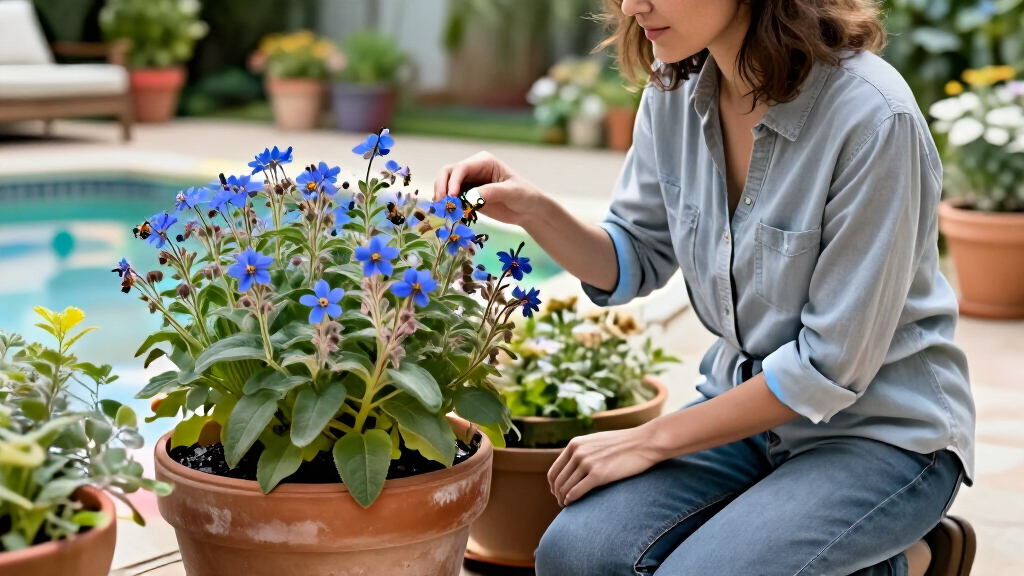
Common borage is an annual plant native to the Mediterranean region. According to the guide, it often grows two to three feet tall, with hairy stems, rough gray-green leaves and usually blue flowers with five points. White-flowered forms also exist. The guide advises identifying the plant by its flowers, foliage and growth habit together, not by flower color alone.
For planting, Grow Organic recommends a full-sun location with well-drained soil. Sow seeds outdoors after the danger of frost has passed, following the seed packet’s depth instructions. Keep the soil moist while seeds germinate, then thin seedlings to about 12 inches apart. Water young plants as they establish; mature plants can tolerate some dryness, but roots should not sit in soggy soil.
Borage can branch out and occupy considerable space, so the guide advises leaving room around it and avoiding crowding smaller plants. Bees visit its flowers, but claims that borage reliably protects nearby crops from pests or changes their flavor are not guaranteed. The plant may also self-seed: gardeners can remove unwanted seedlings while small or cut fading flowers before seeds mature. Leaving some flowers to set seed can produce new plants the following season.
Borage Offers Flowers, Not Guarantees
For gardeners, borage offers a relatively straightforward way to add seasonal color and varied foliage to a sunny bed. Its flowers provide a resource that bees visit, and pairing it with other flowers that bloom at different times can help maintain a succession of blooms. That is a garden benefit, not proof that the plant will improve the health or yield of neighboring crops.
The guide also separates growing advice from food and health claims. Borage has a history of culinary use, and searches may turn up claims about tea, tinctures or health conditions. But the source says the plant can contain pyrrolizidine alkaloids, compounds that raise food-safety concerns. Traditional use does not establish a safe serving, and the guide does not recommend borage for treating health conditions.
Products Worth Considering

LG StanbyME 2 Max 32-Inch 4K Portable Smart Touchscreen TV

Levoit Core 400S-P Smart Air Purifier for Large Rooms

Philips Hue Festavia 130-Foot Indoor/Outdoor Smart String Lights, 500 LEDs
As an affiliate, we earn on qualifying purchases.
A Self-Seeding Mediterranean Annual
The guide presents borage primarily as an ornamental and pollinator-friendly garden plant, rather than as a crop to harvest for food. Its informal growth habit suits borders and sunny patches among vegetables or other herbs, provided it has room to branch without shading smaller plants. The common name “starflower” is also used for borage, but the guide cautions that a common name alone is not enough to identify a plant.
Borage’s tendency to self-seed affects how gardeners plan for it. Allowing some flowers to mature may produce volunteers next season; removing fading blooms before seed develops can limit them. The source also distinguishes borage seed oil, which it says is a source of gamma-linolenic acid, from leaves soaked in kitchen oil. The existence of products or traditional preparations is not evidence that a homemade preparation is safe or medically effective.
““Borage brings blue stars and bees to sunny gardens.””
— Grow Organic
Food Safety Remains Unsettled
The supplied guide does not establish a safe quantity or preparation for eating borage leaves or flowers. It says the plant can contain pyrrolizidine alkaloids and that drying is not a reliable way to remove the concern. It provides no measured safety threshold and does not present clinical evidence supporting borage for rheumatoid arthritis or other health conditions. Readers considering any medicinal use should consult a qualified healthcare professional.
The source also does not provide a specific publication date, independent research citations, or detailed information about alkaloid levels in particular plant parts or preparations. Its practical recommendations are garden guidance, not a food-safety assessment. Claims about pest deterrence, crop flavor or health effects should not be treated as confirmed on the basis of this material.
Plan Space and Manage Seedlings
Gardeners following the guide can sow borage after frost danger passes, then monitor moisture while seedlings establish. As plants grow, allow room for their mature size and watch for self-sown seedlings. Remove volunteers that appear in unwanted locations, or let some flowers mature if new plants are welcome. Pairing borage with other flowering plants can extend the garden’s bloom season.
For anyone considering eating or using borage medicinally, the source offers no dosage or safety assurance. The prudent next step is not to infer safety from traditional recipes, drying, or the plant’s garden popularity; seek advice from a qualified healthcare professional before medicinal use.
Key Questions
What is borage?
Borage is the common name for Borago officinalis, a Mediterranean annual often grown for its blue, star-shaped flowers, rough leaves and visiting bees.
How do you grow borage?
Grow it in full sun and well-drained soil. Sow seeds outdoors after frost danger has passed, follow the packet’s instructions, keep seeds moist during germination and thin seedlings to about 12 inches apart.
Does borage attract pollinators?
The Grow Organic guide says bees visit borage flowers. It recommends combining borage with other flowers that bloom at different times; it does not guarantee pest control or improved neighboring crops.
Can you eat borage leaves or flowers?
The source warns that borage can contain pyrrolizidine alkaloids and does not establish a safe serving. It also says drying is not a reliable way to make the plant safe to eat. Do not treat traditional use as proof of safety.
How can gardeners keep borage from spreading?
Borage can self-seed. Remove unwanted seedlings while they are small, or cut fading flowers before seeds mature. Leave some flowers to develop seeds if you want volunteers next season.
Source: rss