
TL;DR

Get pool and patio gear delivered free with Prime
- Fast, free delivery on millions of items
- Prime Video, Amazon Music and more included
- Member-only deals all year
Multiple UK water suppliers have introduced hosepipe bans to conserve water during a prolonged drought. The bans are currently in effect in specific regions and are expected to impact outdoor water use. Details about the extent and duration remain uncertain.
Several water companies across the UK have implemented hosepipe bans starting this week, affecting millions of households and outdoor water users. This measure is a response to persistent drought conditions that have depleted reservoir levels and increased the risk of water shortages, making the bans a critical step in water conservation efforts.
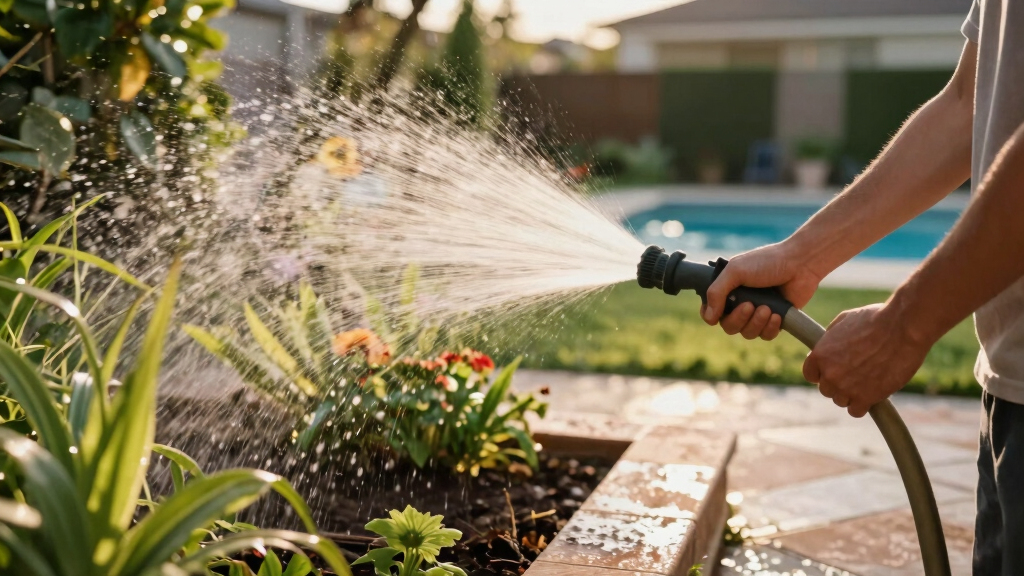
The hosepipe bans are currently in effect in regions served by companies such as Anglian Water and Affinity Water. These bans prohibit the use of hoses for watering gardens, washing cars, filling swimming pools, and other non-essential outdoor activities. The restrictions are expected to remain in place until reservoir levels improve or rainfall increases significantly. Officials from water companies have emphasized that the bans are necessary to prevent supply disruptions and ensure equitable water distribution during the dry period. The bans are part of broader drought management strategies, which may include restrictions on sprinkler use and other outdoor water consumption.According to Anglian Water, the decision to impose the hosepipe ban was made after reservoir levels fell below the threshold deemed sustainable for normal demand. The company stated that the ban aims to reduce water consumption by up to 20% in affected areas. Affinity Water also announced similar measures, citing ongoing dry weather and low rainfall as primary factors. The bans are expected to affect residential customers, commercial landscapers, and public parks, with enforcement measures including fines for violations.Impacts of Hosepipe Bans on UK Water Supply and Public Awareness
The implementation of hosepipe bans highlights the severity of the ongoing drought in the UK and the importance of water conservation. With reservoirs at low levels, the bans aim to prevent more serious supply shortages that could impact millions of residents and essential services. The bans also serve as a public reminder of the need for responsible water use, especially during increasingly unpredictable weather patterns linked to climate change. Authorities warn that the bans could be extended or expanded if dry conditions persist, making water conservation a priority for government agencies and water companies alike.
Products Worth Considering

Bose SoundLink Flex Bluetooth Speaker (2nd Gen), Portable Waterproof Speaker, Black

Philips Hue Festavia Globe Outdoor String Lights, 32 Bulbs, 91 ft
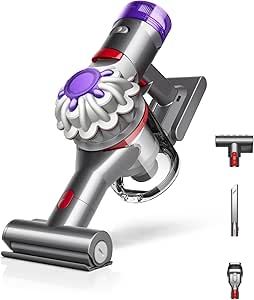
Dyson Car+Boat Cordless Handheld Vacuum
As an affiliate, we earn on qualifying purchases.
Recent Drought Trends and Water Management Measures in the UK
Over the past few months, parts of the UK have experienced below-average rainfall, leading to critically low reservoir levels and heightened drought risk. Water companies have previously issued warnings about potential restrictions, but the current hosepipe bans mark the first widespread enforcement in recent years. The UK government and environmental agencies have emphasized the importance of sustainable water management, with some regions facing stricter restrictions than others based on local supply conditions. Historically, hosepipe bans have been used as emergency measures during dry spells, but climate patterns suggest such restrictions may become more frequent.
“The hosepipe ban is a necessary step to protect our water supply during this prolonged dry period. We urge customers to comply and use water responsibly.”
— Anglian Water spokesperson
Uncertain Duration and Scope of Current Restrictions
It is not yet clear how long the hosepipe bans will remain in effect, as they depend on rainfall and reservoir recovery. The exact regions affected may also expand if drought conditions worsen. Authorities have not provided a definitive timeline, and enforcement measures could vary by area. Future weather patterns and reservoir management decisions will influence whether restrictions are lifted or extended.
Monitoring Weather and Reservoir Levels for Future Decisions
Water companies and environmental agencies will continue to monitor rainfall, reservoir levels, and demand. Authorities may lift or tighten restrictions based on water supply assessments. Public cooperation in conserving water will remain crucial, and officials are expected to provide updates as conditions evolve. Further measures, including public awareness campaigns, are likely to support water-saving efforts.
Key Questions
How long will the hosepipe bans last?
The duration is uncertain and depends on rainfall and reservoir recovery. Authorities have not specified an end date.
Who is affected by the hosepipe bans?
Residential customers, commercial landscapers, and public parks in affected regions are required to comply with the restrictions.
Can I still water my garden with a hose?
No, the bans prohibit using hoses for watering gardens and other outdoor activities deemed non-essential.
Are fines being issued for violations?
Yes, water companies have indicated enforcement measures include fines for those who breach the restrictions.
What can I do to conserve water during this period?
Reduce outdoor water use, fix leaks, use water-efficient appliances, and avoid unnecessary watering or filling pools.
Source: google-trends