
TL;DR

Get pool and patio gear delivered free with Prime
- Fast, free delivery on millions of items
- Prime Video, Amazon Music and more included
- Member-only deals all year
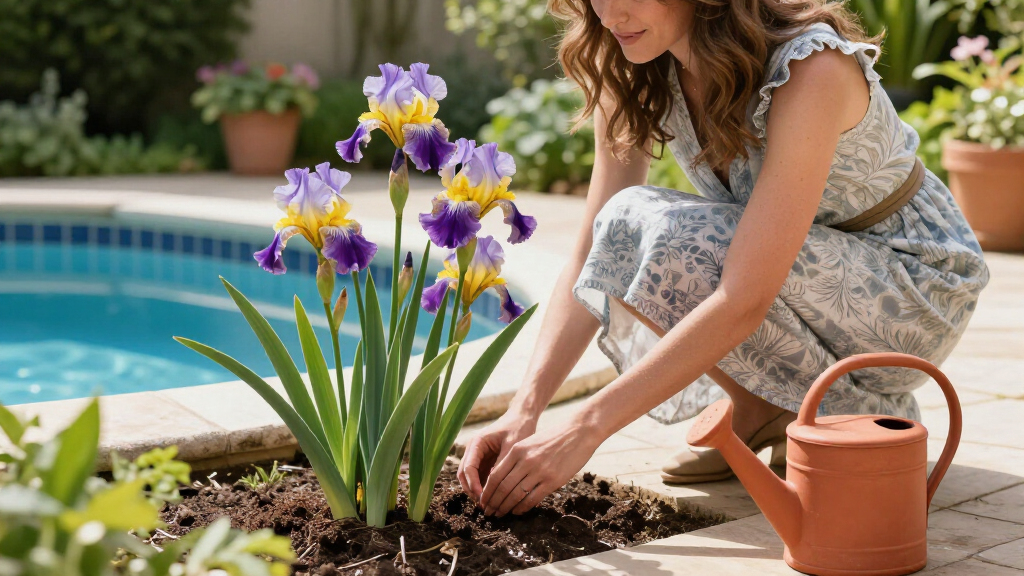
Walking iris, also called Trimezia or Neomarica, is a tropical, rhizomatous perennial that produces orchid-like flowers and plantlets that can root where their stalks touch the ground. The source report recommends warm conditions, filtered light, slightly acidic well-draining soil, and consistent moisture without standing water.
A growing guide from Gardener’s Path outlines how to cultivate walking iris, a tropical perennial in the Trimezia genus whose flower stalks can produce plantlets that root nearby. The guidance centers on warm temperatures, filtered sunlight, and soil that stays moist but drains freely—conditions that matter because the plant is sensitive to cold and may rot in standing water.
Walking iris is commonly listed as Trimezia, with Neomarica still used as a synonym by some sources. The report notes that botanists do not all agree on the classification, and that not every species or plant sold under these names displays the characteristic “walking” growth. Other common names include apostle plant, fan iris, and poor man’s orchid.
In spring, the plant produces slender stalks bearing blue, purple, white, or yellow flowers. Individual blooms last one day, but successive flowers can open along a stalk. After flowering, a plantlet may form at the tip; its weight bends the stalk toward the ground, where the plantlet can root. The report says this propagation can expand a planting, so gardeners should allow room around the clumps.
The source gives a mature size of roughly 2 to 5 feet tall and 2 to 3 feet wide, with flowering mainly in spring and potentially continuing into summer in the warmest areas. It recommends planting in average to sandy loam with a slightly acidic pH of 5.8 to 6.2. For containers, it describes a mix of half potting soil and half perlite or coconut coir to retain moisture while maintaining drainage.
Matching Care to a Tropical Iris
The central practical issue is balancing moisture with drainage. Walking iris is described as a rainforest plant that benefits from consistently moist soil, but unlike some water-loving irises, it can suffer in standing water. The report advises watering when the top two inches of soil are dry and accounting for rainfall; container plants may need different monitoring from plants in garden beds.
Climate also affects whether the plant can remain outdoors year-round. The source identifies USDA Zones 10 and 11 as the best fit for most walking irises. Gardeners in colder regions can grow them in containers and bring them indoors for winter, or keep them as houseplants. This makes the plant accessible beyond tropical gardens, but indoor success depends on warmth and bright, indirect light.
Its spreading habit is another planning consideration. Rhizomes and rooted plantlets can increase the planted area over time. That can suit borders, mass plantings, and shade gardens, while a container offers more control over spread. The flowering display is also not a continuous show of long-lasting blooms: each flower lasts about a day, although others may follow along the stalk.
As an affiliate, we earn on qualifying purchases.
Native Habitat and Plant Names
The report describes walking irises as native to Central and South America, including Brazil’s Amazon region, where warm temperatures, humidity, and abundant rainfall shape their growing conditions. In gardens, it recommends some protection from direct sun: morning sun with afternoon shade in warm climates, or bright, indirect light indoors. The source gives a preferred indoor temperature of at least 70°F and humidity above 50 percent.
The name “apostle plant” comes from folklore that the plant produces 12 leaves before flowering. The source also explains that species formerly placed in Neomarica were absorbed into the larger Trimezia genus, though the names remain in use interchangeably. Because some plants bearing these labels may not produce walking plantlets, gardeners should check the identity and growth habit of a specific plant rather than relying on the common name alone.
Species and Local Conditions
The supplied report is a care guide, not a new scientific finding or a record of a recent event. It does not identify a particular cultivar or confirm that every plant sold as walking iris will propagate by bending stalks. It also notes continuing disagreement over the Trimezia and Neomarica classification, so plant labels may differ among sellers and references.
Care needs can vary with species, climate, soil, container size, and seasonal rainfall. The source’s zone guidance and cultivation advice are general recommendations; it does not provide cultivar-by-cultivar cold tolerances or a universal watering schedule. Gardeners should check local conditions and the identification supplied with their plant, especially where frost is possible.
Seasonal Care and Propagation
During the growing season, place the plant where it receives filtered light, check soil moisture regularly, and avoid letting water collect around the roots. The report recommends applying a low-nitrogen fertilizer, such as a 6-10-10 N-P-K formulation, at half strength in early spring and monthly through summer. It cautions against high-nitrogen products, which can favor leaf growth over flowers.
As plantlets develop, gardeners can allow stalk tips to reach the soil and root, or manage growth through spacing and containers. In regions that freeze, move potted plants indoors before cold weather; indoors, maintain warm conditions and bright, indirect light. The source does not provide a specific frost threshold or a detailed transplanting schedule, so gardeners should use local forecasts and plant-specific advice to guide winter protection.
Key Questions
What conditions are best for walking iris?
The source recommends warm conditions, filtered or indirect light, and moist but well-draining soil. It identifies USDA Zones 10 and 11 as the best fit for most plants.
How often should walking iris be watered?
Rather than following a fixed schedule, the report advises watering when the top two inches of soil are dry. Keep the soil consistently moist but do not leave the rhizomes in standing water.
Why is it called walking iris?
After flowering, a plantlet can form at the tip of a stalk. The stalk may bend to the ground, allowing the plantlet to root nearby and giving the impression that the plant is moving.
Can walking iris grow in a cold climate?
It can be grown in a container and brought indoors for winter, according to the report. The plant is tropical, and the source lists Zones 10 and 11 as the best outdoor fit for most types.
Are Trimezia and Neomarica the same plant?
The report says Neomarica is used as a synonym for Trimezia after a taxonomic reclassification, but botanists do not all agree on the change. It also cautions that not every species listed under either name has the walking growth habit.
Source: rss
Halloween Picks
halloween
As an affiliate, we earn on qualifying purchases.