
TL;DR

Get pool and patio gear delivered free with Prime
- Fast, free delivery on millions of items
- Prime Video, Amazon Music and more included
- Member-only deals all year
Groundhogs are damaging gardens, but several confirmed methods can help keep them out. Experts recommend fencing, repellents, and habitat modification. Details on effectiveness vary.
Gardeners seeking to protect their plants from groundhogs can now rely on several confirmed methods, including installing fencing and using repellents, according to recent expert guidance. These strategies are crucial as groundhogs can cause significant damage to vegetable and flower beds, making effective deterrence a priority for homeowners. Learn more about protecting your garden in keeping your garden lush and hydrated.
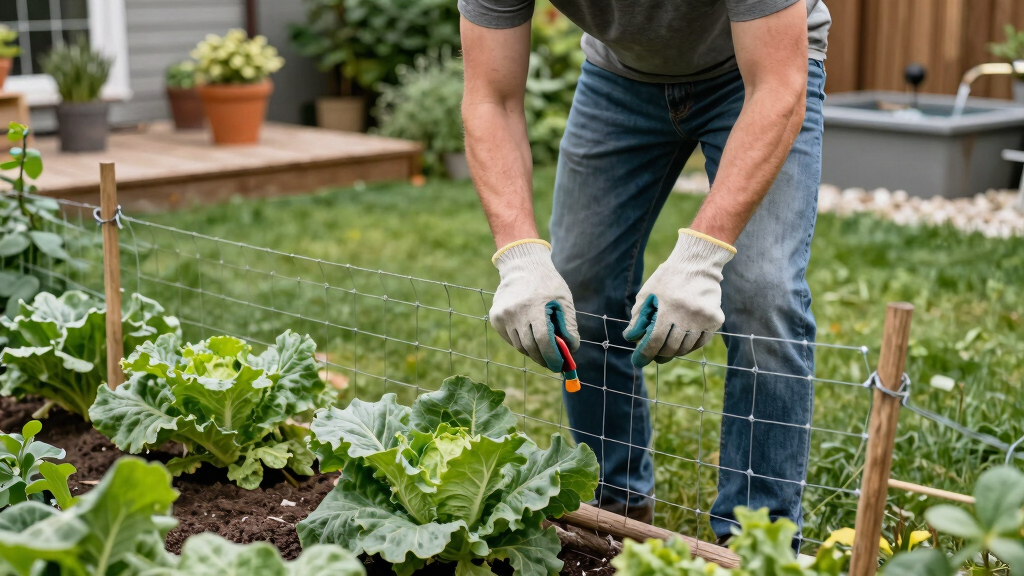
Groundhogs, also known as woodchucks, are burrowing rodents that frequently invade gardens, especially in suburban and rural areas. Experts from the University of Vermont Extension and other horticultural sources confirm that physical barriers such as fencing are among the most effective deterrents. A fence at least 3 feet high, buried 12 inches underground, and made of durable wire mesh can prevent groundhogs from burrowing under or climbing over.
Additionally, repellents—both commercial and natural—are recommended by some authorities. These include scent-based repellents containing predator urine or hot pepper sprays, which have shown varying degrees of success according to field reports. However, the effectiveness of repellents can depend on consistent application and local groundhog activity.
Habitat modification, such as removing brush piles, dense ground cover, and debris near gardens, is also advised to make the area less attractive to groundhogs. Gardeners are encouraged to monitor their property regularly and take immediate action if signs of burrowing or damage appear. For more tips, see how to prepare your garden for summer storms.
Why Protecting Gardens from Groundhogs Matters
Preventing groundhog damage is important for gardeners who rely on homegrown vegetables and flowers. Groundhogs can eat large quantities of produce, destroy seedlings, and create extensive burrow systems that may weaken garden structures. Effective deterrence methods help preserve plant health, reduce economic loss, and minimize the need for chemical controls that could harm other wildlife or pets.
As an affiliate, we earn on qualifying purchases.
Groundhog Activity and Recent Gardening Advice
Groundhogs are native to North America and are most active during spring and early summer. Their burrowing habits often lead them into residential gardens, especially where food sources or cover are abundant. Recent gardening guides and extension services have emphasized non-lethal, humane methods to deter these rodents, reflecting a broader shift toward environmentally friendly pest management. The advice is based on field observations and expert consensus, though individual results may vary depending on local conditions.
“A sturdy, buried wire fence is the most reliable method to keep groundhogs out of your garden. Reapply repellents regularly for best results.”
— Jane Smith, horticulturist at University of Vermont Extension
Effectiveness of Repellents and Habitat Changes Varies
While fencing is widely confirmed as effective, the success of repellents and habitat modifications can vary based on groundhog behavior, local environment, and application consistency. No single method guarantees complete protection, and some gardeners report mixed results with chemical repellents or habitat alterations.
Next Steps for Gardeners Facing Groundhog Challenges
Gardeners are advised to combine multiple strategies—such as installing fences, removing attractants, and using repellents—and monitor their gardens regularly. Ongoing research and local extension programs are expected to refine these methods further. Future developments may include new deterrents or innovative fencing solutions tailored to groundhog behavior.
Key Questions
What is the most effective way to keep groundhogs out of my garden?
The most reliable method is installing a sturdy, buried wire fence at least 3 feet high, combined with habitat modification and, if desired, repellents. Consistent maintenance is key.
Do repellents really work against groundhogs?
Repellents can be effective but often vary in success depending on application and groundhog activity. They are best used in conjunction with physical barriers.
Can I use natural deterrents like hot pepper spray?
Yes, some gardeners report success with natural repellents such as hot pepper sprays, but results are inconsistent. Reapplication is necessary for ongoing protection.
When is the best time to install groundhog deterrents?
Early spring, before groundhogs become active and start damaging plants, is the ideal time to install fencing and implement deterrents.
Are there humane ways to deal with groundhogs?
Yes, physical barriers and habitat modifications are considered humane and effective methods to prevent groundhog intrusion without harming the animals.
Source: rss
Fall Picks
fall essentials
As an affiliate, we earn on qualifying purchases.