TL;DR

Get pool and patio gear delivered free with Prime
- Fast, free delivery on millions of items
- Prime Video, Amazon Music and more included
- Member-only deals all year
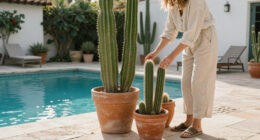
A Homes & Gardens report recommends October mulch for perennials, shrubs, strawberries in colder climates, and newly planted garlic, with material and timing adjusted to each plant. It advises against thick organic mulch around Mediterranean herbs, succulents and cacti because trapped moisture can contribute to rot; local conditions still matter.
Homes & Gardens has published October gardening guidance recommending mulch for four plant groups—perennials, shrubs, strawberries in colder regions, and garlic—while warning that moisture-sensitive herbs, succulents and cacti can be harmed by a thick organic layer. The advice matters because mulch can help insulate soil and retain moisture, but the report says the right choice depends on plant type, soil and local conditions.
The report says a fall mulch layer can help retain residual warmth in the soil, reduce moisture loss and protect roots from severe cold. It recommends organic materials such as compost, chopped leaves, bark and pine straw, but stresses that not every plant benefits from extra moisture around its base.
For flower beds, the article suggests a 2- to 3-inch layer around perennials including hostas, coneflowers, daylilies, black-eyed Susans, peonies, salvias and coral bells. It says mulch can also reduce frost heave, when repeated freezing and thawing pushes plant crowns upward. The report notes that many perennials can be left standing over winter, since old stems and seed heads may provide wildlife food and habitat.
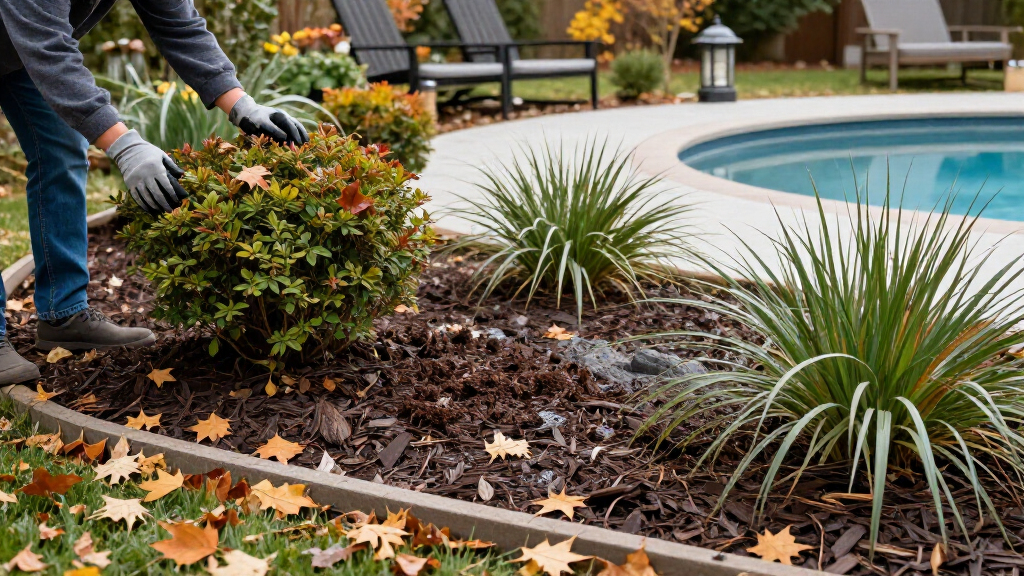
Shallow-rooted shrubs, including azaleas, hydrangeas, spireas and euonymus, are listed as candidates, along with shrubs planted during the current season. For these, the report recommends wood chips or shredded bark, again about 2 to 3 inches deep, while keeping mulch away from trunks and stems. Strawberries in colder areas—identified as U.S. hardiness zone 6 and below—should be mulched only after they become dormant; straw should not cover the crown. Garlic planted in fall may be covered with lightweight straw or chopped leaves to buffer temperature swings.
Mulch Choice Can Prevent Winter Damage
The practical point is that mulching is not a one-size-fits-all fall task. Applied where suitable, it can help protect roots from cold and reduce frost heave. Applied heavily around plants that prefer dry conditions, it can hold moisture against crowns and stems, raising the risk of rot or fungal problems, according to the report.
Timing and placement also affect the result. Strawberries should be covered after dormancy rather than while actively growing, and mulch should not be piled against woody stems. Gardeners who adapt the material and depth to the plant may avoid both winter exposure and moisture-related damage.
natural straw mulch for strawberries and garlic
As an affiliate, we earn on qualifying purchases.
As an affiliate, we earn on qualifying purchases.
The Report’s Plant-by-Plant Guidance
The article’s recommendations distinguish between plants that benefit from insulation and those adapted to drier soil. It advises leaving Mediterranean herbs such as sage, lavender, oregano and rosemary without thick organic mulch. Instead, it suggests a thin layer of horticultural gravel, which is less likely to trap moisture around the plants.
It gives the same broad caution for succulents and cacti, which are described as dry-loving plants that do not want to sit in excess moisture during colder months. The report’s guidance is not a universal calendar rule: it explicitly says the decision depends on conditions, and its strawberry advice is tied to colder climates. The source is a gardening article, not a formal growing-zone standard or a guarantee of outcomes.
“When mulch is piled directly against trunks or stems, it provides both protection and easy access for rodents, which can ultimately lead to the decline or death of the plant.”
— Wendy Hanson Mazet, plant diagnostician with University of Nevada, Reno Extension, as quoted by Homes & Gardens
Local Conditions Still Determine Timing
The report does not specify a single date that works for every garden, nor does it give detailed adjustments for different soil types, rainfall patterns or regional weather. Its recommendations are conditional: strawberry mulching is aimed at colder areas, and the article says gardeners should consider soil, climate and plant condition. It also does not establish that every listed plant requires mulch in every location. Gardeners should check local extension guidance for region-specific timing and practices.
Check Plants Before Spreading Mulch
For October work, the report’s guidance points gardeners toward identifying which plants need winter protection, waiting for strawberries to become dormant, and selecting material suited to each bed. Before spreading mulch, check that crowns and stems will remain uncovered where advised, and keep bark-based material away from shrub trunks. As weather and soil conditions vary, gardeners can consult a local cooperative extension or horticultural service before applying the recommendations.
Key Questions
Which plants does the report recommend mulching in October?
It recommends considering mulch for perennials, shrubs, strawberries in colder climates, and fall-planted garlic. The right material and timing differ among those groups.
How deep should mulch be around perennials and shrubs?
The report suggests a layer about 2 to 3 inches deep for perennials and shrubs. It cautions against piling mulch directly against shrub trunks or stems.
Should strawberries be mulched as soon as October begins?
No. The article says to wait until strawberry plants are dormant, which it describes as a stage when plants lose their bright green color, turn reddish and begin to wilt. It says not to cover the crown with straw.
Which plants should not receive thick organic mulch?
The report cautions against thick organic mulch around sage, lavender, oregano, rosemary, succulents and cacti, because trapped moisture may contribute to rot or other problems.
Does the October advice apply to every garden?
No. The article says mulching decisions depend on the plant, soil and conditions. Its strawberry recommendation is specifically for colder climates, so local gardening advice may be more suitable elsewhere.
Source: rss
Halloween Picks
halloween
As an affiliate, we earn on qualifying purchases.