
TL;DR

Get pool and patio gear delivered free with Prime
- Fast, free delivery on millions of items
- Prime Video, Amazon Music and more included
- Member-only deals all year
A Homes & Gardens report says the key place to clear thick fallen leaves is the lawn, where they can block light and air, trap moisture and contribute to grass damage. Experts recommend finely mulching leaves or moving them to garden beds rather than removing all leaves from the yard.
A Homes & Gardens report on fall yard care says homeowners should focus leaf removal on thick piles covering lawn grass, which can block light and air and leave damaged or bare patches by spring. Turf experts quoted in the report recommend chopping leaves finely with a mower or moving them to garden beds and natural areas, rather than clearing every leaf from the property.
Brian Feldman, senior director of technical operations at TruGreen, says a light layer of finely mulched leaves can benefit a lawn, but thick coverage should not be left in place. He says heavy leaf cover can smother grass, obstruct light and airflow, and contribute to matting and disease problems. The article’s author also recounts finding bare soil in a lawn corner after leaving leaves there through fall and winter.
Hillary Thompson, a horticulturist and communications director at Patten Seed Company, says leaves can trap moisture over grass, creating conditions in which lawn diseases may thrive. The report names powdery mildew and red thread as possible problems. It does not establish that leaf cover will cause either disease in every lawn; the experts describe risks associated with damp, covered turf.
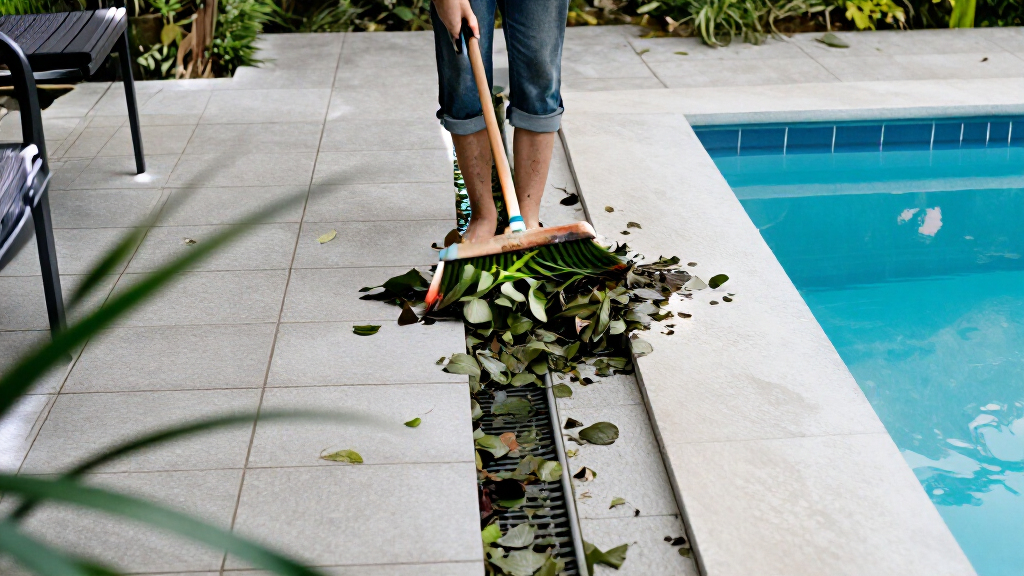
For lawns, Feldman recommends mowing leaves into pieces roughly the size of a dime so they can return nutrients to the soil. Other options include raking or using a leaf blower to move the material. Thompson advises directing leaves into beds or natural areas, where they can decompose on the property and add organic matter. The report also notes that leaf cover can provide shelter for wildlife and some insulation in flower beds, making location—not simply removal—the central distinction.
Protecting Grass Without Removing Every Leaf
The advice draws a practical line between leaves on grass and leaves in planting areas. Thick coverage left over turf may mean bare patches and repair work when growth resumes, while leaves moved into beds can break down and contribute organic matter. That distinction gives homeowners a way to limit lawn damage without treating all fallen leaves as yard waste.
It also affects how much work and material a fall cleanup creates. Mulching leaves or keeping them on the property for decomposition can reduce the need to bag and dispose of them, according to Thompson. The outcome depends on the amount and condition of the leaves and the lawn; the report does not quantify how much time, money or repair this approach saves.
As an affiliate, we earn on qualifying purchases.
How Fall Leaf Care Differs by Area
The Homes & Gardens article is a seasonal gardening report based on comments from two lawn and horticulture professionals. Its central advice is not to clear leaves from every part of a yard: thick leaf piles on grass warrant attention, while leaves in flower beds and natural areas can have different uses, including habitat and soil cover.
The report presents lawn damage as a risk that can become visible after leaves remain through fall and winter. Its author describes one personal instance of grass dying beneath a pile, but that account is not a controlled test or a measure of how frequently the problem occurs. The expert guidance adds that finely chopped leaves differ from intact, thick piles because smaller pieces can be incorporated into the lawn.
“A light layer of leaves can be beneficial when it is mulched finely, but thick piles should not be left on the lawn.”
— Brian Feldman, senior director of technical operations at TruGreen
What the Advice Does Not Establish
The report does not specify a safe maximum depth or coverage level for leaves on a lawn, and it does not give a universal schedule for clearing them. The effects may depend on factors such as the volume of leaves, local weather, grass condition and whether the leaves are chopped or left whole.
It also does not provide comparative data showing how often leaf-covered lawns develop bare patches or disease, or how much spring repair can be avoided by following the recommendations. Feldman and Thompson offer professional guidance, but their statements in the article are not presented as findings from a named study. Homeowners with persistent lawn disease or unusual turf conditions may need advice specific to their location and grass type.
What Homeowners Can Do This Fall
The report’s practical next step is to check where leaves are accumulating: remove or mulch thick piles on grass, and consider moving leaves into garden beds or natural areas. A mower can chop lighter leaf cover into small pieces; rakes, leaf blowers and lawn sweepers are also mentioned as clearing tools. The article does not prescribe a fixed number of cleanups, so homeowners may need to revisit areas as leaves continue to fall.
After winter, checking for bare or thinning patches can show whether repair is needed, though the source offers no specific repair plan. Its main recommendation remains to keep thick leaf cover off the lawn while allowing leaves to decompose in places where they are less likely to smother turf.
Key Questions
Where should fallen leaves be cleared first?
Focus on thick piles covering lawn grass. The Homes & Gardens report says these can block light and air and may contribute to grass damage. Leaves in beds and natural areas can be left to decompose where appropriate.
Can leaves stay on a lawn at all?
Brian Feldman says a light layer finely mulched with a mower can be beneficial. His caution is against leaving thick, intact piles on the grass.
What can homeowners do with leaves removed from grass?
The report suggests directing them to garden beds or natural areas, where they can break down and add organic matter. Raking, blowing or collecting them are possible ways to move the leaves.
Do leaves on a lawn always cause disease?
No. The experts describe trapped moisture and disease as potential risks, not inevitable outcomes. The report does not quantify the likelihood or set a universal threshold for leaf coverage.
Source: rss
Halloween Picks
halloween
As an affiliate, we earn on qualifying purchases.