
TL;DR

Get pool and patio gear delivered free with Prime
- Fast, free delivery on millions of items
- Prime Video, Amazon Music and more included
- Member-only deals all year
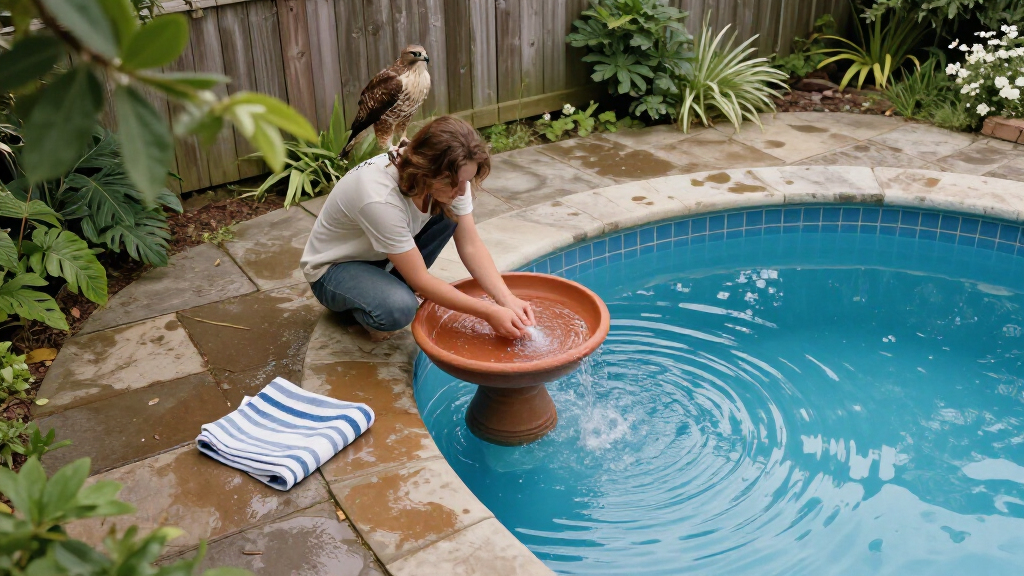
A report published by Laidback Gardener on Oct. 4 describes how birds of prey, including hawks, are increasingly seen around Canadian neighborhoods and gardens. It cites a national population-index increase of about 35% from 1970 to 2022, while warning that rodenticides and other pesticides can harm predators through contaminated prey.
Birds of prey are appearing more often in Canadian neighborhoods after decades of recovery, according to a report published Oct. 4 by Laidback Gardener. The report cites an increase of about 35% in Canada’s population index for birds of prey between 1970 and 2022, and says pesticide exposure remains a concern because predators can take in poison through contaminated prey.
The report describes hawks circling over residential areas and hunting small birds gathered at feeders, while owls and other raptors can find prey in yards, vacant lots and wooded spaces. Peregrine falcons also use buildings, bridges and towers as nesting or resting sites, which can make urban areas suitable habitat. The report does not identify a particular neighborhood or a recent individual sighting; its focus is the broader return of raptors to places where people garden.
That return follows a period of serious decline. The report says organochlorine pesticides, especially DDT, harmed peregrine falcons, bald eagles, ospreys and other birds in the mid-20th century. DDT persisted in the environment, and its breakdown product DDE could thin eggshells, lowering reproductive success. By the mid-1970s, peregrine falcons had nearly disappeared from eastern and southeastern Canada, according to the article.
Canada gradually phased out uses of DDT beginning in the 1970s. Species and nesting-site protections, captive breeding and reintroduction programs also contributed to recovery, the report says. It cautions that a rising raptor index does not mean every part of the ecosystem is healthy: predators depend on prey and habitat, and their return reflects a functioning food web rather than proof that environmental pressures have ended.
Garden Chemicals Reach Predators
The report connects everyday garden decisions with the health of wildlife higher up the food web. Insecticides, herbicides, fungicides and rodenticides can affect organisms beyond the intended target, either through direct exposure or when predators eat affected prey. Removing prey also reduces food available to raptors. The article’s practical point is not that every pest must be left untreated, but that gardeners should consider the wider consequences before applying chemicals.
Rodenticide findings cited in the report illustrate the concern. In southern Ontario, researchers detected anticoagulant rodenticides in 62% of 133 birds of prey collected dead or injured and examined. In British Columbia, 74% of 741 birds of prey studied had been exposed to at least one second-generation anticoagulant, and exposure was associated with proximity to residential areas. These figures refer to the specific birds examined, not all raptors in either province, and do not alone establish that poisoning caused each bird’s death or injury.
For readers, the issue reaches beyond whether a hawk at a feeder is welcome. A garden can provide habitat and food, but it can also expose wildlife to chemicals used on the property. The report recommends asking whether treatment is necessary, how much damage a pest is causing and what animals might eat it. It also points to tolerating some chewed leaves and fallen plant material as ways to leave more habitat and food for other organisms.
Products Worth Considering

Levoit Eleva 300X HEPA Air Purifier

Blueair Blue Pure 211i Max Smart Air Purifier for Large Rooms

Roborock Q7 M5+ Robot Vacuum and Mop
As an affiliate, we earn on qualifying purchases.
From DDT Decline to Recovery
The report sets today’s sightings against the mid-century effects of persistent pesticides. DDT moved through food webs as predators ate exposed prey, while DDE interfered with eggshell formation in several bird species. The resulting reproductive losses contributed to population collapses, including the near disappearance of peregrines from eastern and southeastern Canada by the mid-1970s.
Restrictions on DDT, alongside conservation programs and protections for species and nesting sites, helped create conditions for recovery, the report says. Its account also places gardens within a larger ecological network: seeds feed rodents, insects feed birds, and those animals become prey for hawks and owls. It argues that predators returning to developed areas can indicate that some links in that network remain available, but does not treat their presence as a complete measure of ecosystem health.
The report also notes a 2026 amendment to Canada’s Pest Control Products Act. It says the amendment allows factors such as economic and food security to be considered and that, in certain exceptional circumstances, a pesticide may be authorized or its registration reinstated despite an environmental risk deemed unacceptable. The article presents this policy change as relevant to the long-term effects of pesticide decisions.
“Your garden is a network.”
— Laidback Gardener report
Risks and Trends Still Need Detail
The population-index rise is reported for 1970 to 2022; it does not establish that every raptor species or region experienced the same trend, and the report does not provide species-by-species figures in the source material. It also does not identify the data series behind the index beyond describing it as Canada’s population index for birds of prey.
The rodenticide percentages come from birds that researchers collected and examined, including dead or injured birds in the Ontario sample. They should not be read as prevalence estimates for every bird of prey in those provinces. The source does not provide study dates, detailed methods or evidence that exposure caused the outcomes for each examined bird. The scope and practical effects of the 2026 law amendment, including how often exceptional pesticide approvals might occur, are also not specified.
Garden Choices and Policy Ahead
The report’s immediate recommendation is for gardeners to pause before treating pests and consider non-chemical responses, including waiting when damage is limited and allowing natural predators to feed. It says leaving some fallen leaves and accepting minor plant damage can support organisms that form part of the food web. These are general suggestions from the article, not a substitute for product-label directions or professional advice when a pest presents a serious risk.
At the policy level, the effects of the 2026 amendment and future pesticide decisions will depend on how the law is applied. The report gives no upcoming review date or specific decision to watch. It also does not describe a new raptor recovery program. For now, the confirmed development is a report drawing attention to the return of birds of prey, the historic role of pesticide restrictions in their recovery and continuing questions about chemical exposure in residential settings.
Key Questions
What is the reported change in Canada’s birds of prey?
The report says Canada’s population index for birds of prey increased by about 35% from 1970 to 2022. That is a national index trend; it does not mean every species or region rose by the same amount.
Why did some birds of prey decline in the past?
The report says persistent pesticides, particularly DDT, contributed to declines. Its breakdown product DDE thinned eggshells in several bird species, reducing reproductive success.
Do the rodenticide figures represent all raptors in Ontario and British Columbia?
No. The figures apply to particular groups of birds examined by researchers: 133 dead or injured birds collected in southern Ontario and 741 birds studied in British Columbia. They are not estimates for every bird of prey in either province.
What can gardeners do to reduce risks to predators?
The report suggests checking whether treatment is needed, considering how much damage a pest is causing and asking what might eat it. It also recommends tolerating some minor plant damage and fallen leaves where practical.
Source: rss