
Before falling in love with a backyard layout, you should measure your overall yard dimensions—length and width—to understand your space. Check existing features like trees, shrubs, and structures, noting their size and placement. Measure pathways, entry points, and zones to guarantee accessibility. Planning around these measurements helps you select the right furniture and features, avoiding overcrowding or design flaws. If you keep exploring, you’ll discover more tips to optimize your yard for comfort and style.

Get pool and patio gear delivered free with Prime
- Fast, free delivery on millions of items
- Prime Video, Amazon Music and more included
- Member-only deals all year
Key Takeaways
- Measure overall yard length and width to determine available space for features and furniture.
- Identify existing trees, structures, and obstacles to plan around natural and built elements.
- Check the size and placement of pathways, entry points, and activity zones for functionality.
- Verify the height and distance of privacy screens or barriers to ensure proper coverage.
- Use accurate measurements to select appropriately sized furnishings and prevent layout overcrowding.
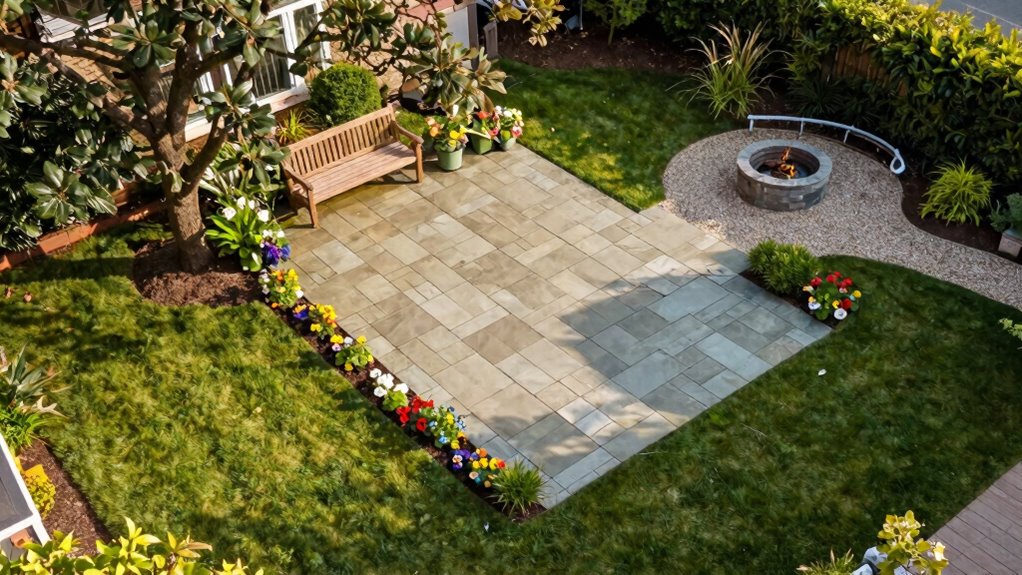
When planning a backyard project or simply ensuring your outdoor space is functioning well, it’s essential to take accurate measurements. Knowing the exact dimensions of your yard helps you choose the right furniture, plan pathways, and incorporate features like privacy screens effectively. Before you fall in love with a specific layout or design, step back and measure your space carefully. Start by measuring the overall length and width of your yard so you understand the total area you’re working with. Use a tape measure or a measuring wheel for accuracy, and record these dimensions. This initial step is crucial because it helps you visualize what can comfortably fit without overcrowding.
Measuring your yard accurately helps plan a functional, inviting outdoor space without overcrowding.
Next, identify the placement of key elements like existing trees, shrubs, or structures that could influence your layout. These features can serve as natural privacy screens or obstacles, so knowing their exact locations and sizes allows you to plan around them. Measure the height, width, and distance from property lines for each feature. This way, when you select garden furniture, you’ll ensure it fits comfortably within your space. Whether you want a large dining set, lounge chairs, or a hammock, knowing the available area prevents you from purchasing pieces that are too big or too small.
Don’t forget to measure the areas where you intend to add privacy screens. These screens are essential for creating cozy, secluded zones and shielding your yard from neighbors or the street. Measure the length and height of the sections you want to enclose or block. If you plan to install permanent privacy screens, verify the placement of existing structures, fences, or walls that could support or interfere with their installation. If you’re opting for movable screens, determine the best spots to set them up temporarily, and measure those areas accordingly. Understanding outdoor space measurements ensures your design remains practical and well-balanced. Additionally, accurately measuring design elements helps in optimizing your yard layout for both aesthetics and functionality. Taking the time to measure outdoor spaces carefully can also help you identify potential problem areas before starting any construction or planting, saving you time and resources later on. Being aware of the space dimensions can also influence your choice of lighting and landscaping to enhance usability and ambiance.
Finally, consider pathways, entry points, and zones for different activities. Measure the width of walkways, clearance around furniture, and the distances between zones. This ensures your design isn’t just visually appealing but also practical and easy to navigate. When you have all these measurements, you’ll be equipped to choose the right-sized garden furniture, install effective privacy screens, and create a backyard layout that’s both functional and inviting. Accurate measurements eliminate guesswork, helping you avoid costly mistakes and ensuring your outdoor space becomes a true extension of your home.
As an affiliate, we earn on qualifying purchases.
Frequently Asked Questions
How Do I Measure Irregularly Shaped Backyard Areas Accurately?
To measure irregularly shaped backyard areas accurately, you should use a flexible measuring tape or a measuring wheel for terrain analysis. Break the area into smaller, manageable sections by sketching the shape and measuring each segment’s length and width. Then, calculate the area of each section and add them together. This approach helps you get precise measurements for landscape planning, ensuring your design fits your yard perfectly.
What Tools Are Best for Quick Backyard Measurements?
You should use a laser distance measurer or a digital tape measure for quick, accurate backyard measurements. These tools save time and increase precision for your landscaping plans or water feature planning. A laser measure is especially handy for large or irregular areas, making it easier to get quick readings without cumbersome tape. Keep these tools handy to streamline your project and guarantee your measurements are spot-on for any feature you’re planning.
How Do Property Line Measurements Impact Backyard Design?
Property line measurements are the backbone of your backyard’s blueprint, shaping your outdoor dreams like an artist’s canvas. Fencing boundaries define your space, ensuring your design respects neighborhood rules, while property setbacks keep your yard from spilling into neighbors’ territory. Knowing these measurements helps you avoid costly mistakes, plan functional zones, and stay within legal limits, turning your backyard into a harmonious haven rather than a legal minefield.
Should I Measure for Sunlight Exposure in My Backyard?
Yes, you should measure for sunlight exposure in your backyard. Understanding sunlight patterns helps you determine the best spots for plant placement, ensuring your garden thrives. Track how sunlight shifts throughout the day and across seasons, so you can position sun-loving plants in the brightest areas and shade-tolerant ones elsewhere. This planning helps optimize growth and creates a more enjoyable outdoor space.
How Often Should I Re-Measure My Backyard?
You should re-measure your backyard at least once a year, especially if you’re planning to buy new garden furniture or set up watering zones. Seasons change, trees grow, and the sun’s path shifts, transforming your space dramatically over time. Regular measurements help you optimize sunlight for your garden, guarantee your watering zones stay effective, and keep your layout perfectly suited to your evolving backyard landscape.
Conclusion
Before you commit to a backyard layout, take the time to measure carefully and consider how you’ll use the space. Will it comfortably fit your dream patio, garden, or play area? Remember, the right measurements can make or break your outdoor enjoyment. Isn’t it worth ensuring every inch aligns with your vision? By paying attention now, you’ll create a backyard that truly feels like your personal oasis—perfect for relaxing, entertaining, and making memories.
Halloween Picks
halloween
As an affiliate, we earn on qualifying purchases.