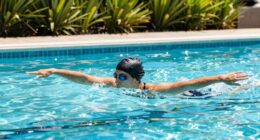
When choosing an underwater scooter, consider safety and environment. Pool-safe models are designed with gentle maneuverability, safety features like emergency stops, and corrosion-resistant materials for short-term use. Open water scooters are built for durability, longer battery life, and stability in harsher conditions, often including accessories like waterproof cameras. Knowing the differences helps guarantee safety, performance, and enjoyment. To discover more about selecting the right scooter and safety tips, keep exploring this topic.
Key Takeaways
- Pool-safe underwater scooters are designed for gentle maneuvering, shorter durations, and include safety features like emergency stops and anti-slip grips.
- Open water models are built for durability, extended battery life, and often feature accessories like waterproof cameras and rugged construction.
- Use pool-safe scooters in controlled environments, avoiding rough conditions, while open water scooters are suitable for harsh, unpredictable environments.
- Choose a scooter based on environment: lightweight, easy-to-handle models for pools; stable, rugged models for open water exploration.
- Always adhere to safety standards, avoid environmental harm, and operate within your skill level regardless of scooter type.
How Do Pool-Safe and Open Water Underwater Scooters Differ?

Although both pool-safe and open water underwater scooters help you explore underwater environments, they are designed for different conditions. Pool-safe models prioritize underwater scooter ergonomics to ensure comfort during shorter, controlled sessions. They often feature simpler controls and smaller sizes to fit pool restrictions. Open water scooters are built for durability and extended use, with sturdier construction and enhanced underwater scooter accessories like waterproof cameras or additional lights. These accessories improve your experience and safety in open water. The design differences also include safety features specific to each environment. Pool scooters focus on gentle maneuverability, while open water models emphasize stability and ruggedness. Additionally, open water scooters typically have longer battery life to support extended explorations, which is less critical for pool use. Furthermore, reliable waterproofing is essential for open water models to prevent damage from prolonged exposure to water and pressure. Proper waterproofing also involves considering the materials used in construction to withstand pressure variations encountered in open water adventures. Moreover, open water scooters often include features like advanced navigation systems, aiding explorers in unfamiliar environments.
What Features Matter Most When Choosing a Pool-Friendly Underwater Scooter?

When choosing a pool-friendly underwater scooter, you want features that make it easy to manage and safe to use. Consider its size and portability so you can store and carry it effortlessly, along with safety controls that keep you secure underwater. Additionally, a long-lasting battery ensures you get plenty of enjoyment without frequent recharging interruptions. For optimal performance, look for models with high safety standards to ensure reliable operation in confined pool environments. Understanding the capacity and watt-hours helps you select a model that offers sufficient runtime and power for your swimming sessions. Evaluating regulatory compliance can also help you choose a model that adheres to safety requirements for recreational use. Incorporating user-friendly controls can further enhance safety and ease of operation during your aquatic adventures. Moreover, considering waterproof construction ensures the scooter remains durable and safe in the humid pool environment.
Compact Size and Portability
A compact size and lightweight design are vital features to contemplate when choosing a pool-friendly underwater scooter. These design considerations make handling and storing the scooter easier, especially in limited spaces. A smaller, portable model allows you to navigate tight pool corners or carry it effortlessly from storage to the water. When evaluating size, consider how easily you can transport the scooter without strain. Material durability plays an important role, too—look for sturdy, corrosion-resistant components that withstand frequent water exposure. A lightweight build doesn’t mean sacrificing strength; high-quality materials ensure longevity and reliability. Additionally, understanding water system efficiency can help you select models that operate smoothly with minimal maintenance. Incorporating emotional well-being considerations like ease of use and reduced stress can also enhance your overall swimming experience. Selecting a model with noise reduction features can also reduce operational noise, creating a more peaceful swimming environment. Moreover, choosing a scooter with ergonomic controls can improve comfort and ease of operation during extended use. Ultimately, a well-designed, compact scooter enhances your swimming experience by offering convenience without compromising performance or durability.
Safety Features and Controls
Safety features and intuitive controls are essential when selecting a pool-friendly underwater scooter, as they directly impact your security and ease of use. Look for models with key safety features like automatic shut-off, emergency stop buttons, and reliable grip controls. Advanced propulsion systems provide smooth, responsive movement, reducing the risk of accidents. To guarantee maximum safety and control, consider these features:
- Emergency stop button for immediate power cut in emergencies
- Anti-slip grips to prevent slipping during operation
- Speed limit controls to avoid sudden, unsafe movements
- Incorporate Free Floating designs that enhance stability and maneuverability underwater
- Understanding ethical consumer choices can help you select models that prioritize safety and sustainability in their design and manufacturing. Additionally, paying attention to compliance with safety standards ensures the device meets necessary safety regulations and best practices. Furthermore, selecting models with durable construction can improve longevity and safety during use. Including user-friendly interfaces can also make operation simpler and reduce the risk of user error.
These safety features and controls help you feel confident underwater, whether you’re relaxing in a pool or exploring open water. Prioritize intuitive operation and reliable safety measures to enhance your underwater experience.
Battery Life and Charging
Long-lasting battery life and convenient charging features can substantially enhance your underwater experience. When choosing a pool-friendly underwater scooter, prioritize battery safety to prevent overheating or damage during use and charging. Look for models with reliable batteries that offer extended runtime, so you can explore longer without interruptions. Pay attention to charging protocols—easy-to-follow instructions and quick recharge times ensure you’re ready for your next dive sooner. Some scooters feature removable batteries, making charging more flexible and safer. Efficient charging systems reduce the risk of overcharging, which can compromise battery health and safety. Additionally, understanding regional support services in different areas can help you find local assistance or replacements for your equipment. Selecting a device with durable, safe batteries and straightforward charging protocols also benefits from manufacturer warranties that guarantee support and peace of mind. Overall, selecting a device with durable, safe batteries and straightforward charging protocols guarantees a safer, more enjoyable underwater adventure.
Why Are Open Water Scooters More Durable and Safe for Adventures?

Open water scooters are designed to withstand the harsh conditions of ocean environments, making them more durable and safer for adventurous divers. Thanks to advanced underwater scooter technology, these models are built with corrosion-resistant materials and reinforced casings that endure saltwater and pressure. They also meet rigorous aquatic safety standards, ensuring reliable performance in unpredictable conditions.
Open water scooters are built tough with corrosion-resistant materials and safety features for reliable ocean exploration.
Consider these factors:
- Robust Construction: Heavy-duty materials prevent damage from rocks, debris, or currents.
- Enhanced Safety Features: Emergency shut-off and secure grip controls prevent accidents.
- Waterproof Seals: Superior sealing protects internal components against water intrusion, boosting longevity and safety.
All this makes open water scooters ideal for exploring without fear of equipment failure or hazards, giving you peace of mind during your adventures.
Top Safety Tips for Using Underwater Scooters in Pools and Open Water?

Whether you’re new to underwater scooters or an experienced diver, knowing how to use them safely is essential for a fun and accident-free experience. In pools, stay mindful of marine ecology by avoiding contact with pool fixtures or fragile decorations that could be damaged. Maintain clear communication with others nearby to prevent collisions. When exploring open water, keep a safe distance from marine life to protect their habitat and avoid disturbing ecosystems. Underwater photography becomes easier with steady control; use your scooter to hover gently and capture images without startling wildlife. Always check your equipment before diving, and don’t push beyond your skill level. Following these safety tips helps ensure you enjoy your underwater adventures while respecting the environment and keeping yourself safe.
How to Pick the Right Underwater Scooter Based on Your Skill Level and Environment?

Choosing the right underwater scooter depends on your skill level and the environment where you’ll use it. To make an informed decision, consider these key factors:
- Underwater scooter features: Look for features like speed control, battery life, and safety locks that match your experience. Beginners benefit from simpler controls, while advanced users prefer more power and customization.
- Skill level considerations: If you’re new, choose a lightweight, easy-to-handle model. For seasoned divers, opt for robust scooters with higher speeds and longer battery life.
- Environment suitability: For pools, a compact, gentle model works best. In open water, select a scooter with better stability, longer range, and durability against currents.
Matching these elements ensures safety, comfort, and enjoyment tailored to your environment and skill.
Common Mistakes to Avoid When Using Underwater Scooters in Different Settings?

Using an underwater scooter without paying attention to common mistakes can lead to safety risks and a less enjoyable experience. One key mistake is ignoring water temperature; in open water, cold conditions can cause hypothermia, so dress appropriately and limit exposure. In pools, overheating or using the wrong settings can cause discomfort or damage the device. Also, be mindful of swimmer experience—if you’re a beginner, avoid pushing limits or venturing into areas beyond your skill level. Rushing into open water without proper training can lead to disorientation, especially in currents. Always check your environment, stay within safe zones, and use the scooter responsibly. By avoiding these mistakes, you ensure a safer, more enjoyable underwater adventure tailored to the setting and your skill level.
What Are the Legal and Environmental Rules for Open Water Scooter Use?

When venturing into open water with an underwater scooter, understanding and following the legal and environmental regulations that apply is essential. These rules protect marine conservation efforts and ensure safe, responsible use. Here are three key points to keep in mind:
- Respect protected areas: Avoid using your scooter in marine reserves or restricted zones to prevent disturbing wildlife and damaging habitats.
- Follow local laws: Check regulations regarding boat and watercraft operations, including speed limits and distance from shore or marine life.
- Practice responsible underwater photography: Do not touch or disturb marine creatures, and avoid collecting souvenirs, to preserve the environment for future exploration.
Adhering to these rules helps you enjoy open water adventures responsibly and supports marine conservation efforts.
How to Maintain Your Underwater Scooter for Long-Term Performance?

To keep your underwater scooter running smoothly for years, you need to focus on proper battery care and storage. Regular maintenance checks can catch issues early and guarantee everything functions correctly. By staying on top of these tasks, you’ll maximize performance and extend your scooter’s lifespan.
Battery Care and Storage
Proper battery care and storage are essential to keep your underwater scooter performing reliably over time. Proper battery maintenance ensures your scooter stays ready whenever you need it, while following storage best practices prevents deterioration. Here are three key tips to optimize your battery care:
- Keep the battery charged between 40-80% when not in use for extended periods.
- Store your scooter in a cool, dry place away from direct sunlight and extreme temperatures.
- Avoid leaving the battery fully discharged or fully charged for long durations, as this can reduce lifespan.
Regular Maintenance Checks
Regular maintenance checks are essential to keep your underwater scooter operating smoothly over time. By routinely inspecting the motor, you ensure it runs efficiently and catch any potential issues early. Check for loose connections, corrosion, or debris that could hinder performance. Regular motor inspection helps prevent overheating and prolongs the lifespan of your device. Additionally, maintaining battery longevity involves cleaning terminals and ensuring proper charging habits. Don’t forget to review seals and waterproof components to prevent water damage. Performing these simple checks after each use, especially in open water environments, keeps your scooter in top shape. Consistent maintenance not only extends its lifespan but also guarantees safe, reliable performance during your next adventure.
Final Tips for a Safe, Fun Underwater Scooter Experience?

Ensuring a safe and enjoyable underwater scooter experience means paying attention to a few essential tips. First, always follow safety precautions, such as wearing a life vest and checking your equipment before starting. Second, understand your underwater propulsion device’s limits; avoid pushing beyond your comfort zone or diving into unfamiliar areas. Third, stay aware of your surroundings, including other swimmers or obstacles, to prevent accidents. Keep a close eye on battery levels and operational status so your scooter doesn’t unexpectedly shut down. By prioritizing safety precautions and knowing your device’s capabilities, you’ll enjoy smooth, fun rides without risking injury or damage. Remember, a cautious approach makes your underwater adventures safer and more enjoyable.
Frequently Asked Questions
Can I Use a Pool Underwater Scooter in Saltwater Environments?
Yes, you can use a pool underwater scooter in saltwater, but you need to check for saltwater corrosion and confirm the scooter’s battery compatibility. Saltwater can cause corrosion if the scooter isn’t designed for it, so look for models with corrosion-resistant materials. Also, verify that the battery is compatible with saltwater use to prevent damage or safety issues. Always rinse your scooter thoroughly after use in saltwater to prolong its lifespan.
What Safety Gear Should I Wear While Using an Underwater Scooter?
You should always wear protective gear like a wetsuit, mask, fins, and a snorkel to stay safe while using an underwater scooter. Carry emergency equipment such as a waterproof flashlight, a whistle, and a safety buoy. These items help you stay visible and prepared for any situation. Always check your gear before diving, and guarantee you’re familiar with safety procedures to prevent accidents and enjoy your underwater adventure safely.
Are There Age Restrictions for Operating Underwater Scooters?
Like a key opening a treasure chest, age restrictions open the door to safe underwater scooter use. Most manufacturers require operators to be at least 12 or 14 years old, emphasizing operator qualifications. Younger kids usually need adult supervision and sometimes special training. Always check local regulations and the manufacturer’s guidelines to guarantee you’re within the age limits and fully qualified, making your underwater adventure both fun and safe.
How Do Weather Conditions Affect Open Water Scooter Usage?
Weather conditions greatly impact your open water scooter experience. Strong winds, storms, and heavy rain can create rough water, making it unsafe to operate your scooter. Additionally, water temperature matters; colder water can cause discomfort or hypothermia if you’re not properly dressed. Always check the weather forecast and water conditions before heading out, and avoid riding in rough seas or when visibility is poor to make certain of your safety.
Can Underwater Scooters Be Used for Professional Underwater Photography?
Yes, you can use underwater scooters for professional underwater photography. They help you move smoothly and steadily, making your shots more stable and clear. Just make certain you use professional equipment designed for underwater use, like waterproof cameras and housings, to protect your gear. Practice controlling the scooter to avoid disturbing marine life or damaging fragile environments. With the right setup, underwater scooters are excellent tools for capturing stunning underwater images.
Conclusion
Remember, choosing the right underwater scooter isn’t just about speed or features—it’s about safety and respect for your environment. Whether you’re gliding through a pool or exploring open water, your caution is your compass. Think of your scooter as a trusted companion on your underwater adventures; with proper care and awareness, you’ll discover endless fun beneath the surface. Embrace the journey, and let safety guide you like a lighthouse in the dark waters ahead.