
The Langelier Saturation Index (LSI) helps you predict whether your water will cause scale buildup or corrosion. When your LSI is positive, minerals tend to precipitate, leading to scale formation on equipment. A negative LSI indicates water is aggressive and may corrode surfaces. By understanding and adjusting factors like pH, alkalinity, and calcium levels, you can maintain water stability and prevent costly damage. Keep exploring to discover how to manage these factors effectively.
Key Takeaways
- The Langelier Saturation Index (LSI) predicts water’s tendency to scale (precipitate minerals) or cause corrosion based on water chemistry parameters.
- An LSI near zero indicates balanced, stable water; positive values suggest scaling potential, negative values indicate corrosive water.
- pH, calcium hardness, alkalinity, temperature, and TDS are critical factors influencing LSI calculations.
- Proper monitoring of LSI helps prevent equipment damage caused by mineral buildup or metal corrosion.
- Adjusting chemical levels to maintain a neutral LSI supports water stability and system longevity.
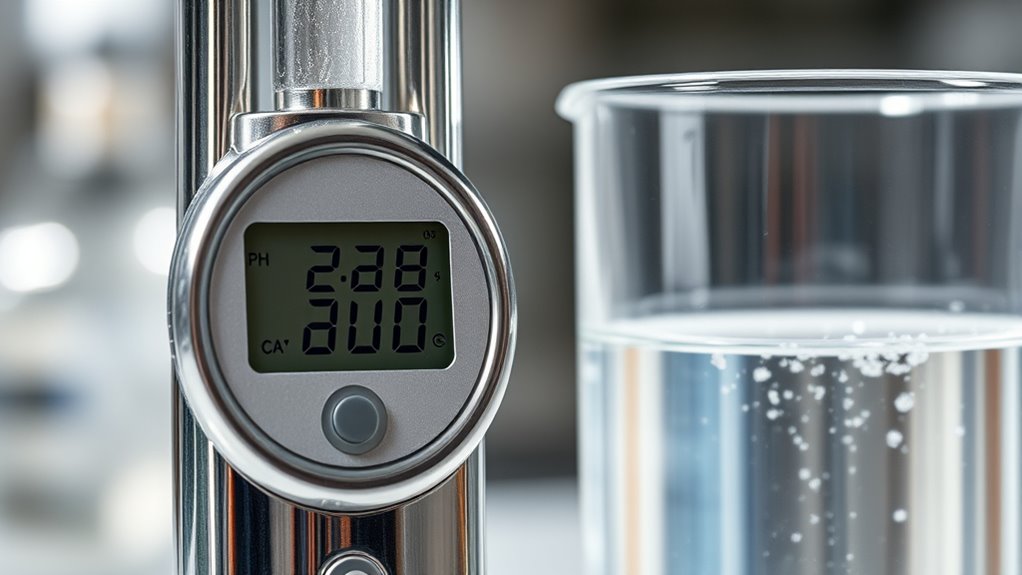
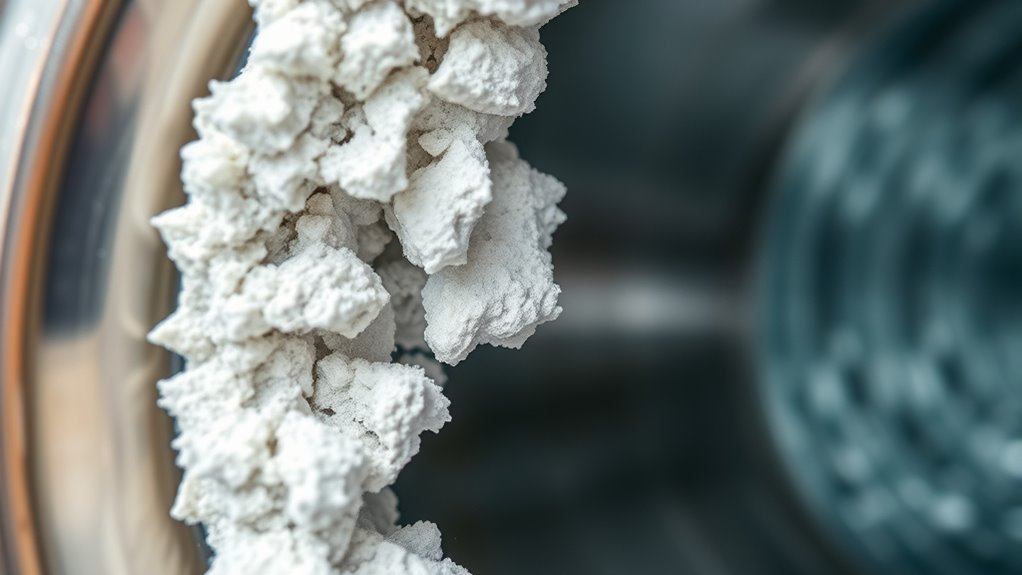
The Langelier Saturation Index (LSI) is a essential tool for evaluating the stability of water in swimming pools, water treatment plants, and natural bodies of water. It helps you determine whether water is likely to cause scaling or corrosion, which can considerably impact equipment, infrastructure, and water quality. When you understand the LSI, you can better manage your water’s chemistry, especially concerning pH balance and mineral scaling. Maintaining proper pH levels is vital because it directly influences the water’s ability to hold minerals in solution. If the pH is too high, minerals like calcium are more likely to precipitate out of the water, leading to mineral scaling—those unsightly, hard deposits that can clog filters and damage surfaces. Conversely, if the pH is too low, the water becomes aggressive, capable of corroding pipes and metal components. The LSI provides a numerical value that indicates whether your water is in a stable, scaling, or corrosive state based on pH, alkalinity, calcium hardness, temperature, and total dissolved solids (TDS).
Regular testing and adjustments are essential because water chemistry can change over time due to environmental factors or usage patterns. To use the LSI effectively, you need to regularly measure and adjust your water’s chemistry to stay within the ideal range. When the LSI is near zero, your water is in equilibrium, meaning minerals are neither precipitating nor dissolving substantially. If the LSI is positive, your water is oversaturated with calcium carbonate, and mineral scaling is likely to occur, leading to deposits that can reduce system efficiency and increase maintenance costs. On the other hand, a negative LSI indicates undersaturation, which means the water is corrosive—capable of dissolving metals and other materials. By monitoring the LSI, you can make informed adjustments to pH and alkalinity to prevent these issues.
Understanding the connection between pH balance and mineral scaling is essential because small changes in pH can cause large shifts in scaling potential. For example, raising the pH slightly may push the water into a scaling state, while lowering it can help dissolve existing deposits or prevent their formation. Proper chemical management ensures your water remains balanced, protecting your equipment and maintaining water clarity. If you neglect these adjustments, you risk costly repairs, equipment failure, or water quality problems. The LSI acts as your guide, giving you a clear picture of your water’s stability and helping you take proactive steps to prevent corrosion or scaling, ensuring your water stays clean, safe, and efficiently maintained.
Frequently Asked Questions
How Often Should the Langelier Saturation Index Be Tested?
You should test the Langelier Saturation Index regularly, typically monthly, to guarantee effective water testing. Frequent testing helps you monitor scale prevention and corrosion risks, especially if your water quality fluctuates. Adjust your treatment processes based on these results to maintain ideal pH and mineral levels. Consistent monitoring allows you to prevent scale buildup or corrosion, protecting your equipment and ensuring water remains safe and balanced.
Can the Langelier Index Be Used for All Water Types?
Imagine you’re managing a municipal water system with diverse water sources. The Langelier Saturation Index helps predict scale formation or corrosion based on water chemistry. While it’s useful for many water types, it isn’t perfect for all, especially waters with unusual chemistry like seawater or heavily contaminated sources. Always evaluate your specific water chemistry before relying solely on the Langelier Index for scale prediction.
What Are the Limitations of the Langelier Saturation Index?
You should know that the Langelier Saturation Index has accuracy limitations, especially since it’s heavily data-dependent. It may not accurately predict scale or corrosion if your water’s chemistry is complex or varies frequently. Factors like pH, alkalinity, calcium, and temperature influence results, but fluctuations or inaccuracies in these data points can reduce reliability. So, always consider this index as a guideline, not an absolute predictor.
How Does Temperature Affect the Langelier Saturation Index?
Imagine your water’s balance as a delicate dance, where temperature variation leads the steps. Increased temperatures cause thermal effects that raise the Langelier Saturation Index, making water more prone to scale formation. Conversely, cooler temperatures slow this dance, reducing the risk. You need to account for temperature changes because they directly impact the index, influencing whether your water will deposit minerals or cause corrosion, affecting system efficiency and longevity.
Are There Software Tools to Calculate the Langelier Index Automatically?
Yes, there are software tools that automatically calculate the Langelier Saturation Index for you. These automated calculations simplify the process by inputting water chemistry data into specialized programs, saving time and reducing errors. Many water treatment companies and engineers use these software tools to monitor water quality efficiently and make informed decisions about scaling or corrosion risks. You can find options ranging from basic programs to advanced water management systems.
Conclusion
Understanding the Langelier Saturation Index helps you predict whether water will scale or corrode. For instance, water with an index above 0 indicates a tendency to scale, while below 0 suggests corrosion. Surprisingly, studies show that over 70% of water systems with a positive index experience mineral buildup within a year. By monitoring this index regularly, you can better prevent costly damage and maintain ideal water quality. Stay proactive to protect your systems effectively.