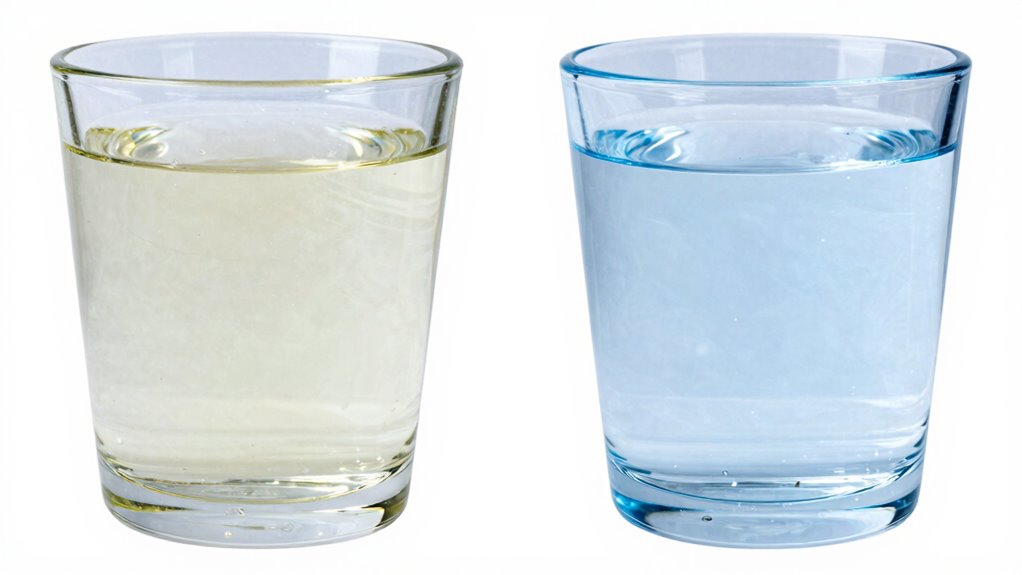

Sanitized water is treated with disinfectants like chlorine to kill bacteria and pathogens, ensuring it’s safe to use. Balanced water, on the other hand, focuses on maintaining proper pH and mineral levels to prevent corrosion, scaling, and other plumbing issues. While sanitation keeps water safe from germs, balancing improves taste, feels better, and protects your equipment. Understanding both helps you maintain high-quality water; stick around to learn more about how they work together.

Get pool and patio gear delivered free with Prime
- Fast, free delivery on millions of items
- Prime Video, Amazon Music and more included
- Member-only deals all year
Key Takeaways
- Sanitized water is disinfected to kill harmful bacteria, while balanced water has optimal pH and mineral levels for overall quality.
- Sanitization relies on chemicals like chlorine, whereas balancing involves adjusting pH and mineral content.
- Properly balanced water reduces corrosion, scale buildup, and prolongs equipment lifespan compared to just sanitizing.
- Sanitized water prevents waterborne illnesses but may still cause irritation if not balanced chemically.
- Understanding water chemistry ensures both effective disinfection and proper balance for safety and equipment health.
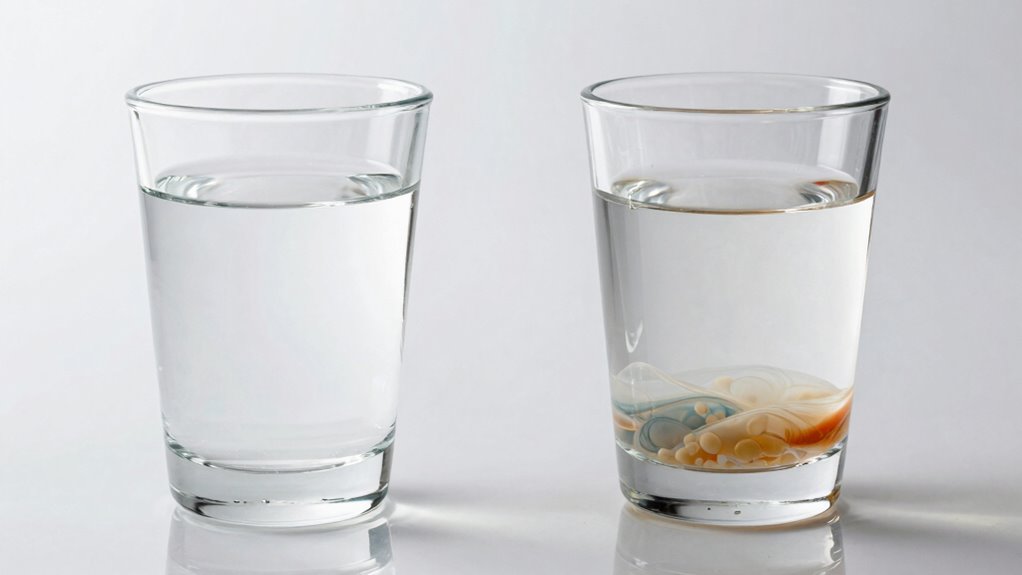
When it comes to maintaining healthy and safe water, understanding the difference between sanitized water and balanced water is essential. Sanitized water focuses on eliminating harmful bacteria and pathogens, ensuring it’s safe to use and drink. This process often involves disinfectants like chlorine or other chemical treatments that kill bacteria but don’t necessarily address the water’s overall chemistry. While sanitized water is crucial for preventing waterborne illnesses, it doesn’t always guarantee optimal pH stability or ideal mineral content. Without proper balance, water can become corrosive or scale-forming, leading to plumbing issues and uncomfortable skin or eye irritation. Properly balanced water also helps prevent the formation of biofilms and other microbial growths that can thrive in poorly balanced systems. Understanding water chemistry is key to ensuring both safety and quality in your water supply.
Balanced water, on the other hand, emphasizes the overall quality of water by maintaining proper pH levels and mineral content. pH stability is vital because it affects how water interacts with your skin, eyes, and appliances. Water that’s too acidic or alkaline can cause corrosion of pipes or scaling deposits, reducing equipment lifespan and increasing maintenance costs. Achieving the right pH balance ensures the water feels comfortable and isn’t damaging your plumbing. Additionally, mineral content plays a significant role in healthy water. Minerals like calcium and magnesium contribute to water’s taste and health benefits, but excess minerals can cause hardness, leading to soap scum and scale buildup. Conversely, insufficient minerals can result in water feeling flat and unrefreshing. Properly balancing water involves adjusting treatment processes to keep the water’s chemistry in check, often through the use of conditioners or remineralization filters. This careful regulation helps maintain water quality at optimal levels.
As an affiliate, we earn on qualifying purchases.
Frequently Asked Questions
Can Sanitized Water Harm My Skin or Hair?
Sanitized water is generally safe for your skin and hair, but in some cases, it can cause skin irritation or hair damage, especially if you have sensitive skin or allergies. The chlorine or other disinfectants used might strip natural oils or cause dryness. To minimize risks, rinse thoroughly after exposure and consider using moisturizing products. If you notice irritation or damage, consult a dermatologist or hair specialist for personalized advice.
How Often Should I Test My Balanced Water?
You should test your balanced water regularly, ideally once a month, to guarantee ideal water purity and chemical balance. Frequent testing helps detect any imbalances that could affect your skin, hair, or appliances. By monitoring these factors consistently, you can maintain safe, clean water, prevent issues like corrosion or scaling, and enjoy a consistent, healthy water experience. Regular checks keep your water chemistry just right for your needs.
Is Balanced Water Suitable for All Types of Pools?
Like the story of Goldilocks, balanced water is just right for most pools, but not all. It’s suitable for standard in-ground and above-ground pools, ensuring proper water chemistry and preventing issues. However, some specialty pools, like saltwater or mineral-based ones, may need tailored maintenance. Always check your pool’s specific requirements and consult experts to keep your water perfectly balanced, ensuring safe, clear, and inviting swimming experiences.
What Are the Costs Associated With Maintaining Each Water Type?
Maintaining sanitized water usually costs less because it relies on basic water treatment and chemical disinfection, like chlorine or bromine. Balanced water, however, involves ongoing adjustments to chemical balance, pH levels, and possibly specialized equipment, which can increase costs. You’ll spend more on testing kits, chemicals, and maintenance to keep water properly balanced. Overall, balanced water maintenance tends to be pricier but offers better water quality and pool longevity.
Are There Environmental Impacts for Using Sanitized or Balanced Water?
Using sanitized or balanced water impacts the environment differently. Sanitized water often involves chemicals like chlorine, which can harm aquatic life and reduce water sustainability if overused. Balanced water, which maintains proper mineral levels, promotes healthier ecosystems and reduces chemical dependence. Your choice influences environmental impact; opting for balanced water supports water sustainability and minimizes pollution, while sanitized water requires careful management to prevent ecological harm.
Conclusion
In the end, understanding the difference between sanitized and balanced water can transform your swimming experience from mere routine to a luxurious escape. Sanitized water guarantees safety and clarity, warding off harmful bacteria like an impenetrable fortress. Meanwhile, balanced water maintains perfect chemical harmony, protecting your skin and equipment like an invisible shield. Mastering these concepts means your pool isn’t just a body of water; it’s a pristine sanctuary, rivaling the purity of a mountain spring—truly the crown jewel of aquatic leisure.
Fall Picks
fall essentials
As an affiliate, we earn on qualifying purchases.