
Pool chemistry might seem hard because it involves managing a few key factors like pH and chlorine levels, which can feel confusing at first. You’re often worried about doing it wrong or overcorrecting. But the truth is, regular testing and simple adjustments make it easier than you think. Once you get into a routine, maintaining a clean, safe pool becomes second nature. Keep going, and you’ll discover just how simple keeping your pool chemistry really is.

Get pool and patio gear delivered free — and shop member deals
- Fast, free delivery on millions of items
- Access to Prime Big Deal Days deals on October 6–7
- Prime Video, Amazon Music and more included
Key Takeaways
- Complex terminology and varying chemical levels can make pool chemistry seem more intimidating than it is.
- Irregular testing or neglect can cause issues that feel overwhelming to troubleshoot.
- Inconsistent routine maintenance leads to misconceptions about the difficulty of balancing chemicals.
- Seasonal changes and weather conditions require adjustments, adding to perceived complexity.
- Proper understanding of basics simplifies management, making pool chemistry feel more manageable.
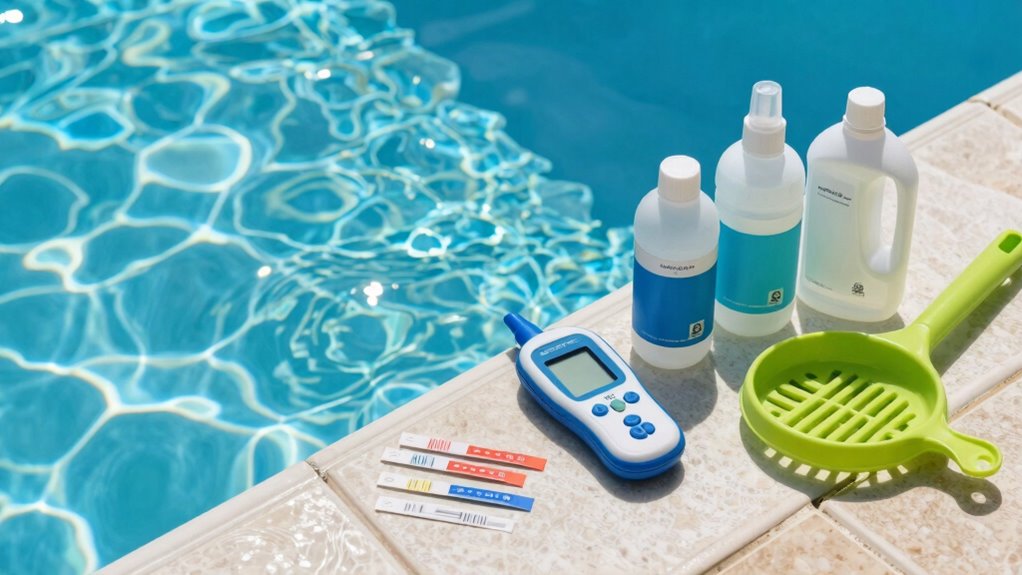
Keeping your pool clean and safe doesn’t have to be complicated. When you understand the basics of pool chemistry, it becomes much easier to maintain. One of the most important things you can do is regularly check and balance your pool’s pH and chlorine levels. Many people feel overwhelmed because they don’t realize how straightforward it is to keep these in check. Once you get into a routine, managing your pool’s chemistry becomes second nature.
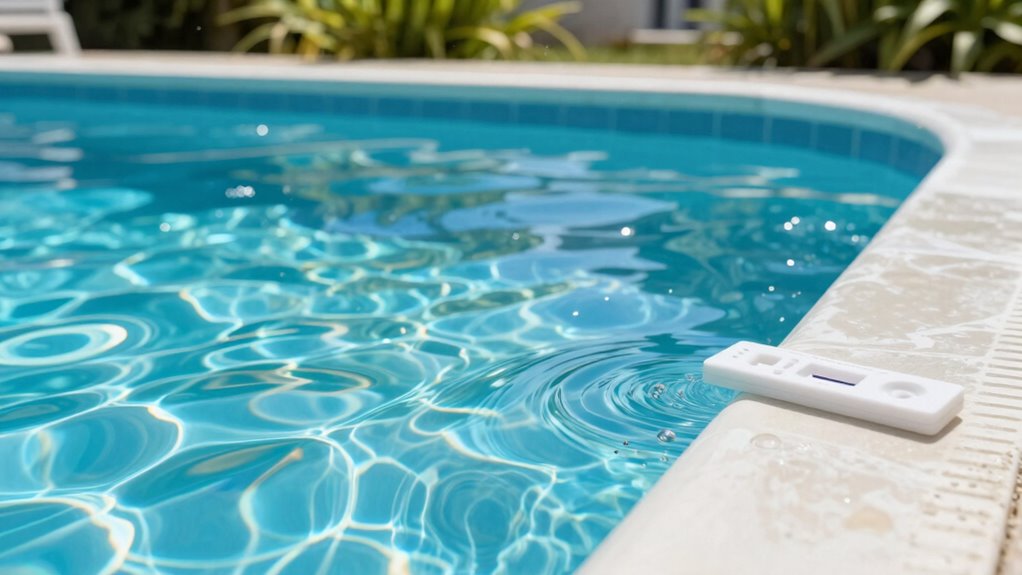
Balancing pH is critical because it affects how well your sanitizer works and how comfortable your water feels. If the pH is too high, your water might become cloudy, and scale can form on the pool surface and equipment. If it’s too low, the water can become corrosive, damaging your pool and irritating your skin and eyes. To keep things simple, test your pH at least once a week using easy-to-use test strips or a testing kit. If the pH is outside the ideal range of 7.2 to 7.8, add either pH increaser or decreaser accordingly. This quick adjustment keeps your water balanced and prevents issues down the line. Developing a consistent testing routine can help you stay ahead of potential problems and ensure your water remains safe and inviting.
Regularly test and adjust pH between 7.2 and 7.8 for a clear, balanced, and comfortable pool.
Chlorine levels are equally important because they kill bacteria and prevent algae growth. Many pool owners find chlorine management confusing because they worry about over- or under-chlorinating. But with a regular testing schedule, you can easily keep chlorine levels within the recommended range of 1 to 3 parts per million (ppm). If levels are too low, add chlorine tablets, liquid, or granular chlorine. If they’re too high, simply wait for the chlorine to dissipate or dilute the water slightly. The key is consistency—test frequently, especially after heavy use or rain, and adjust as needed. Proper water testing makes this process straightforward and manageable.
The main reason pool chemistry feels harder than it really is often comes down to not having a routine. When you check pH and chlorine levels regularly, you catch small problems before they turn into big ones. It’s about developing a habit of testing and adjusting, rather than reacting to large issues. Also, don’t forget that many pool stores offer quick testing services, which can help you learn what your water needs without guesswork. Understanding biodiversity and sustainable living practices can also encourage environmentally friendly pool maintenance by choosing eco-safe chemicals and water-saving techniques. Developing awareness of water quality can further motivate you to keep your pool in optimal condition while protecting the environment.
Once you understand the importance of balancing pH and chlorine, the process becomes much less intimidating. It’s about making small, consistent adjustments rather than trying to fix a messy situation all at once. With these simple steps, maintaining a healthy, inviting pool becomes an achievable task, giving you more time to relax and enjoy your swim.
As an affiliate, we earn on qualifying purchases.
Frequently Asked Questions
How Often Should I Test My Pool Water?
You should test your pool water at least twice a week to keep it balanced. Regular testing helps you monitor chlorine levels and pH, ensuring your pool stays safe and clean. When needed, add pool shock to fight algae and bacteria, and replace or top off with chlorine tablets to maintain consistent chlorination. Consistent testing simplifies pool chemistry, making it less intimidating and more manageable.
What Are the Signs of Chemical Imbalance?
You’ll notice chemical imbalance through signs like cloudy water, algae growth, or skin irritation. pH fluctuation causes the water to feel sticky or too harsh on your skin. When chemical stability is off, sanitizer levels drop, and algae or bacteria can thrive. Regular testing helps you spot these issues early, so you can adjust chemicals promptly and keep your pool water clear, balanced, and safe for swimming.
Can Pool Chemicals Be Overused?
Like overfilling a cup, overusing pool chemicals can cause problems. Chemical overuse isn’t just wasteful; it can pose health risks, irritate your skin and eyes, and damage your pool equipment. Too much chlorine or other chemicals disrupt the balance, making your pool unsafe and harder to maintain. Always follow instructions carefully, test your water regularly, and add chemicals gradually to keep your pool safe and inviting.
How Do I Balance pH Levels Quickly?
To balance pH levels quickly, add pH adjusters like pH increasers or decreasers, depending on your current levels. Use pool additives specifically designed for pH adjustments—sodium carbonate for raising pH or muriatic acid for lowering it. Test your water first, then carefully add the right amount of chemical, stirring the water to distribute it evenly. Re-test after a few hours and repeat if necessary for ideal pH balance.
What Safety Precautions Are Needed When Handling Chemicals?
When handling pool chemicals, always wear protective gear like gloves and goggles to prevent skin and eye contact. Store chemicals properly in a cool, dry, well-ventilated area away from direct sunlight to avoid dangerous reactions. Keep chemicals in their original containers with labels intact, and never mix different chemicals. By following these safety precautions, you reduce risks and guarantee safe, effective pool maintenance.
Conclusion
Think of pool chemistry as a dance—you just need to learn the steps. Once you get familiar with the basics, it becomes second nature, and maintaining your pool feels less like a chore and more like a graceful sway. Don’t let the fear of complexity trip you up; with a little practice, you’ll be confidently waltzing through your pool care routine. Remember, every master was once a beginner, and your perfect pool is just a few steps away.
Fall Picks
fall essentials
As an affiliate, we earn on qualifying purchases.