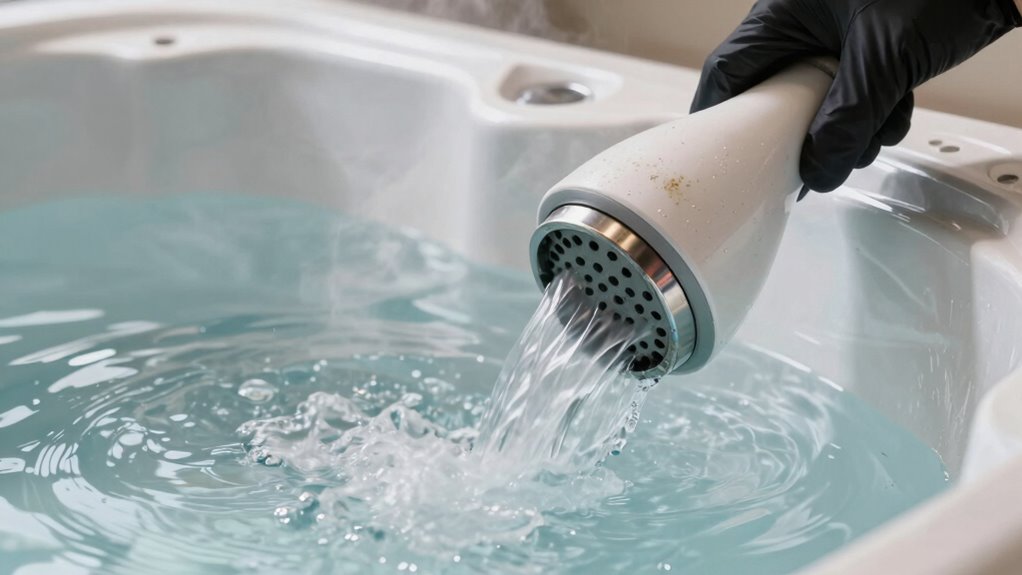

If your spa jets lose punch, start by checking for clogged filters or debris blocking the skimmer and pump intakes, as these reduce water flow. Inspect the jets themselves for buildup or obstructions and soak them in vinegar if needed. Also, verify there are no airlocks in the plumbing by bleeding the system through the air relief valve. If issues persist, exploring pump operation and routine maintenance tips can help restore jet power. Keep going to learn more detailed solutions.

Get pool and patio gear delivered free — and shop member deals
- Fast, free delivery on millions of items
- Access to Prime Big Deal Days deals on October 6–7
- Prime Video, Amazon Music and more included
Key Takeaways
- Check and clean or replace filters to ensure unobstructed water flow.
- Inspect jets for mineral buildup or debris and soak or replace as needed.
- Bleed airlocks from plumbing lines by opening air relief valves and running the pump.
- Ensure pump is operating correctly and perform routine maintenance checks.
- Remove and clear obstructions from skimmer and pump intakes to maintain proper circulation.
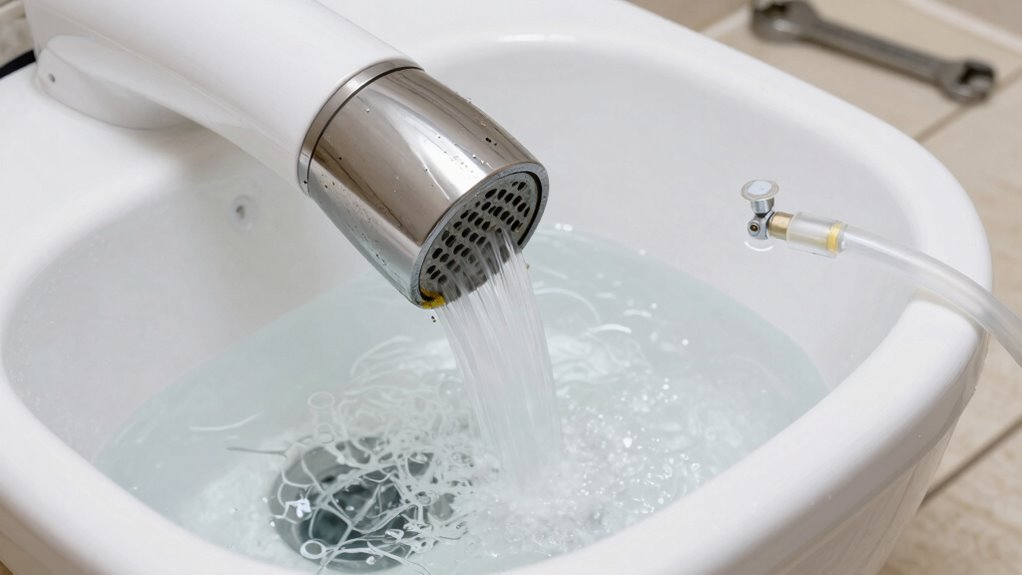
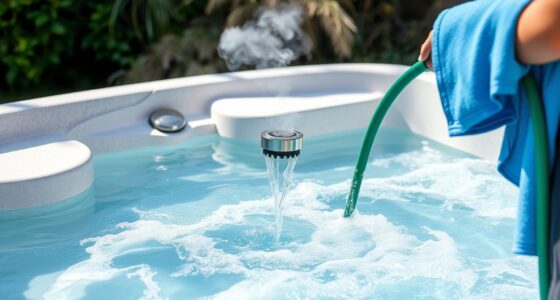
If your spa jets are losing power, it can disrupt your relaxation and indicate an underlying issue. When you notice weaker jets, the first thing to consider is water circulation. Proper water flow is essential for the jets to perform optimally. If circulation is sluggish, it’s often due to a clogged filter, blocked intake valves, or air trapped in the lines. Start by checking your filter; a dirty or clogged filter restricts water flow, reducing jet strength. Clean or replace it if needed, and see if that improves performance. Next, look at the skimmer and pump intakes for debris or obstructions that might hinder water movement. Clearing these blockages ensures water flows smoothly through the system.
Check and clean your filter and intake valves to restore proper water flow and improve spa jet power.
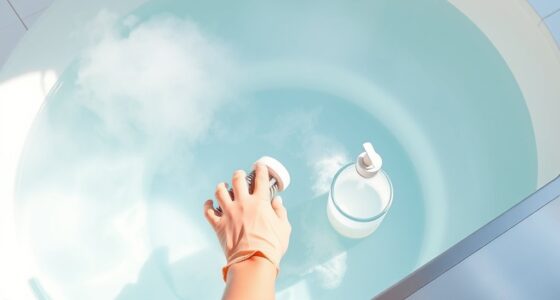
Jet maintenance is another critical factor. Over time, mineral buildup, dirt, and debris can clog the jet nozzles, diminishing their spray and force. Remove the jets and inspect for any visible obstructions. Soaking them in a vinegar solution can help dissolve mineral deposits, restoring their original flow. If jets are damaged or heavily clogged, replacing them might be necessary to regain full pressure. Regular maintenance, including cleaning and inspecting jets, keeps water flowing properly and prevents future issues.
Airlocks in the plumbing lines also cause jets to lose power. Air trapped in the pipes can prevent water from reaching the jets with enough force. To fix this, turn off the spa, bleed the air from the system by opening the air relief valve, or run the pump for a few minutes to purge trapped air. This simple step often restores jet strength quickly. Additionally, understanding the water circulation process can help you identify and prevent future problems more effectively. Ensuring proper filtration is vital because a well-maintained filter supports consistent water flow and reduces potential blockages. Maintaining an adequate water flow rate is crucial for optimal jet performance and overall spa function. Moreover, checking the pump operation regularly can help detect issues early before they impact jet performance. Incorporating routine inspections into your spa maintenance schedule can further prolong the lifespan of your jets and plumbing system.
As an affiliate, we earn on qualifying purchases.
Frequently Asked Questions
How Often Should I Clean My Spa Jets for Optimal Performance?
You should clean your spa jets every 1 to 3 months for peak performance. Regular cleaning guarantees you enjoy the aromatherapy benefits and maintains the jet design features, preventing buildup that can reduce water flow and pressure. Use a vinegar solution or manufacturer-recommended cleaner, and remove debris from the jets to keep them functioning smoothly. Consistent maintenance helps preserve the soothing experience and maximizes your spa’s effectiveness.
Can Mineral Buildup Cause Spa Jet Pressure Issues?
Did you know mineral deposits can reduce spa jet pressure by up to 30%? Yes, mineral buildup can cause jet pressure issues, especially if your water is hard. Mineral deposits clog the jet openings, restricting water flow. Also, jet design influences how easily minerals accumulate; some jets are more prone to buildup than others. Regular cleaning and water softening help prevent pressure drops caused by mineral buildup.
Are There Specific Spa Jet Models That Maintain Pressure Better?
Yes, some spa jet models are designed to maintain pressure better. Look for jets with advanced jet design features, such as adjustable flow control and optimized nozzle shapes, which help regulate pressure more effectively. Additionally, models with built-in pressure regulation mechanisms guarantee consistent jet punch even as mineral buildup or other issues arise. Choosing these higher-quality jets can enhance your spa experience by providing steady, powerful massage jets.
How Does Water Chemistry Affect Spa Jet Efficiency?
Poor water chemistry can reduce spa jet efficiency. For example, if you neglect water balance, calcium buildup can clog jets, diminishing pressure. Chemical effects like imbalanced pH or high sanitizer levels can corrode internal components, weakening jet output. To keep jets powerful, regularly check and maintain proper water balance and avoid chemical imbalances, ensuring your spa’s water chemistry supports peak jet performance.
When Should I Replace My Spa Jets Entirely?
You should replace your spa jets when their jet design no longer delivers adequate water flow or if they become damaged or clogged beyond cleaning. Pay attention to their replacement timing; if cleaning and maintenance don’t restore their punch, it’s time for new jets. Upgrading jet design can also enhance performance. Regular checks ensure your spa maintains ideal jet efficiency, providing you with the best relaxing experience.
Conclusion
Don’t dismiss spa jet issues as just a minor inconvenience—you can often diagnose and fix the problem yourself. While it might seem complicated at first, starting with simple checks like filters and pump settings can save you time and money. If it still doesn’t work, don’t worry; calling a professional isn’t a sign of failure—it’s smart. With a little patience, your spa jets will be back to delivering that soothing, powerful massage you love.
Fall Picks
fall essentials
As an affiliate, we earn on qualifying purchases.