
TL;DR
Rural Sprout’s report presents 60 plant options for gravel gardens and describes how to start one. In this approach, plants grow in soil beneath a gravel mulch, rather than directly in gravel; site conditions and establishment care affect whether the method works well.
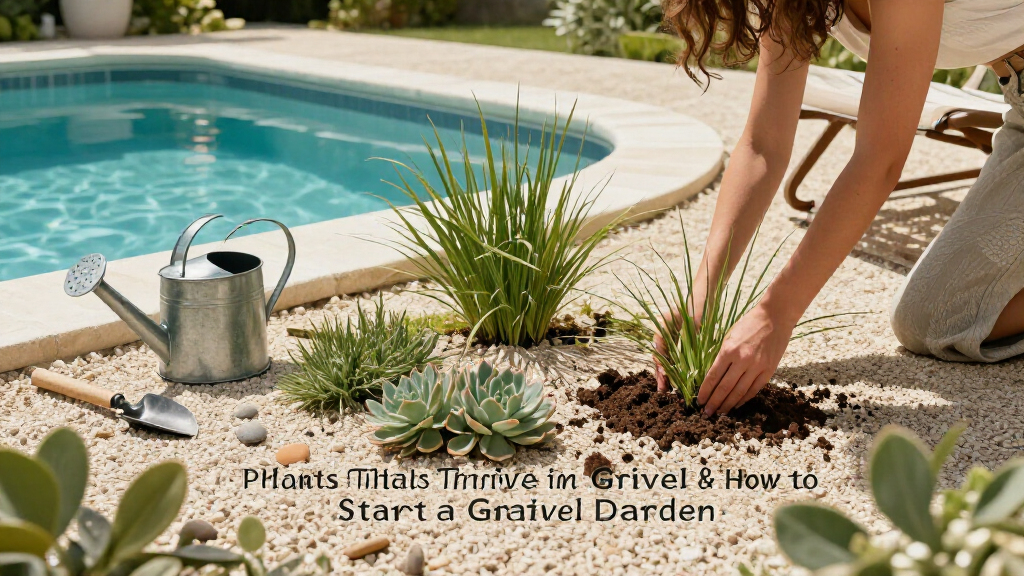
Rural Sprout has published a guide to 60 plants that may suit gravel gardens, with instructions for starting a garden using gravel as a surface mulch. The report describes a gravel garden as plants rooted in soil under a three- to five-inch gravel layer, a distinction that matters for gardeners who might otherwise assume plants grow directly in stone.

Get pool and patio gear delivered free with Prime
- Fast, free delivery on millions of items
- Prime Video, Amazon Music and more included
- Member-only deals all year
The guide is based partly on the writer’s attempt to turn a gravel court beside a driveway into a garden. The writer says the area had previously been used for boules, a lawn game played with metal balls, and that the gardening project was still in its initial phase when the report was written. The writer identifies olive herb as the first plant put in the space.
In the method described, gravel covers the soil rather than replacing it. The report says rain can pass through the gravel while the surface layer slows evaporation, and that the stone can hold warmth during the day and release it at night. It also says gravel may reduce weed growth, but does not prevent weeds entirely. The guide cautions against weed-suppressing membrane, arguing that it can restrict water permeability and that debris collecting on top may become a place where weeds grow.
The supplied source names several plants in its discussion, including olive herb, poppies, perennial geraniums and Bergenia, and gardeners can explore plants grown from fall cuttings for other garden options. Although the headline promises 60 plant choices, the source excerpt provided here does not include the complete list or all of its planting instructions. The report says plants need help getting established, but does not provide a full watering schedule or a plant-by-plant assessment in the available material.
Why Gravel Changes Garden Care
The report offers an alternative to conventional lawn or border planting for people with a sunny, well-drained area or a space where dry conditions make some planting approaches difficult. Its central practical point is that gravel functions as a mulch, not as a substitute for soil. Gardeners still need suitable soil beneath the stones and must choose plants that fit the conditions of their particular site.
The source presents lower maintenance as a potential benefit once plants are established, citing moisture retention, reduced weed growth and moderated temperature changes. These are the report’s explanations, not a guarantee that every gravel garden will need little care. The article itself describes a new project that had not yet matured, so it does not provide long-term results from that garden.
Products Worth Considering

Sony BRAVIA XR8B 65-Inch OLED 4K HDR Smart Google TV (K-65XR8B)

Samsung 55-Inch S90H OLED 4K UHD Smart TV Bundle with Full-Motion Mount and Surge Protector

Philips Hue Play Floor Lamp, RGBWWIC LED, 53 Inch, Black
As an affiliate, we earn on qualifying purchases.
Beth Chatto’s Gravel Garden Model
The guide traces the approach to Beth Chatto, a British gardener and nursery owner whose gravel garden in Elmstead, Essex, became a well-known example. According to Rural Sprout, Chatto and her husband converted a nursery parking area into a perennial garden in 1960. The report presents that site as an influence on later gravel-garden design.
Rural Sprout says the approach can be used on different soil types, while describing sandy, relatively low-nutrient soil and good drainage as especially suitable for many Mediterranean plants. It also notes that the garden at Beth Chatto Gardens is not watered after establishment, according to head gardener Asa Gregers-Warg in an interview on The Middle-Sized Gardener YouTube channel. That example is specific to the site and should not be treated as a universal watering rule.
““The plants are not planted in gravel per se,” but are rooted in soil beneath a gravel cover.”
— Rural Sprout report
What the Plant List Cannot Confirm
The supplied source material does not include the full list of 60 plants, the complete how-to instructions, or the report’s publication date. It is therefore not possible to verify from the excerpt which plants appear in the full list, what conditions are given for each, or whether the advice has been updated since publication.
Results will also depend on local climate, drainage, soil and plant establishment. The report describes the advantages of gravel and one established garden’s watering practice, but the excerpt does not provide comparative trials or evidence that gravel reduces watering needs in every garden. It does not specify a recommended gravel type or explain how to adapt the method to every soil condition.
Establishment and Follow-Up
The practical next step for readers is to check the complete Rural Sprout guide for its full plant list and instructions, then match any selections to local growing conditions. The report says the writer was still at the early stage of the project and had planted olive herb first. The writer indicated that a follow-up might be published if readers showed interest, but the supplied material does not confirm that one appeared.
For a new gravel garden, the source’s account points to a distinction between initial establishment and later care: the example at Beth Chatto Gardens receives water while plants establish, while the report says routine watering is not used there afterward. Gardeners should treat that as a site-specific example and monitor their own plants rather than assume they can omit watering.
Key Questions
What is a gravel garden?
In Rural Sprout’s description, plants grow in soil beneath a gravel mulch, generally three to five inches deep. They are not planted in gravel as the sole growing medium.
Does gravel stop weeds?
No. The report says gravel can reduce weed growth, but does not eliminate it. It advises against weed-suppressing membrane, saying it may restrict permeability and that accumulated debris can support weeds.
Do gravel gardens need watering?
The report says plants need help getting established. It cites Beth Chatto Gardens as a site that does not water plants after establishment, but that practice is not presented as suitable for every garden or climate.
Which plants does the supplied material name?
The excerpt names olive herb, poppies, perennial geraniums and Bergenia. It does not reproduce the complete list of 60 plants promised by the guide’s headline.
Source: ruralsprout.com