A smart pool buying strategy starts by clearly pinpointing the problems you want to eliminate, like high maintenance, tight budget, or mismatched lifestyle needs. Focus on specific issues to guide your choices, such as opting for low-maintenance options or features suited to your activities. Prioritize safety, costs, and environmental factors early on to make informed decisions. Keep these priorities in mind, and you’ll set the stage for a pool that truly fits your needs—discover more ways to do this effectively.

Get pool and patio gear delivered free with Prime
- Fast, free delivery on millions of items
- Prime Video, Amazon Music and more included
- Member-only deals all year
Key Takeaways
- Identify specific issues like maintenance challenges, budget constraints, or safety concerns to guide your pool selection.
- Prioritize environmental and energy considerations to address sustainability and reduce long-term costs.
- Define your primary pool purpose—relaxation, exercise, or entertainment—to determine suitable features and size.
- Assess your maintenance capacity and choose low-maintenance or automated options to minimize ongoing effort.
- Develop a comprehensive plan balancing cost, lifestyle needs, and environmental impact for a satisfying purchase.
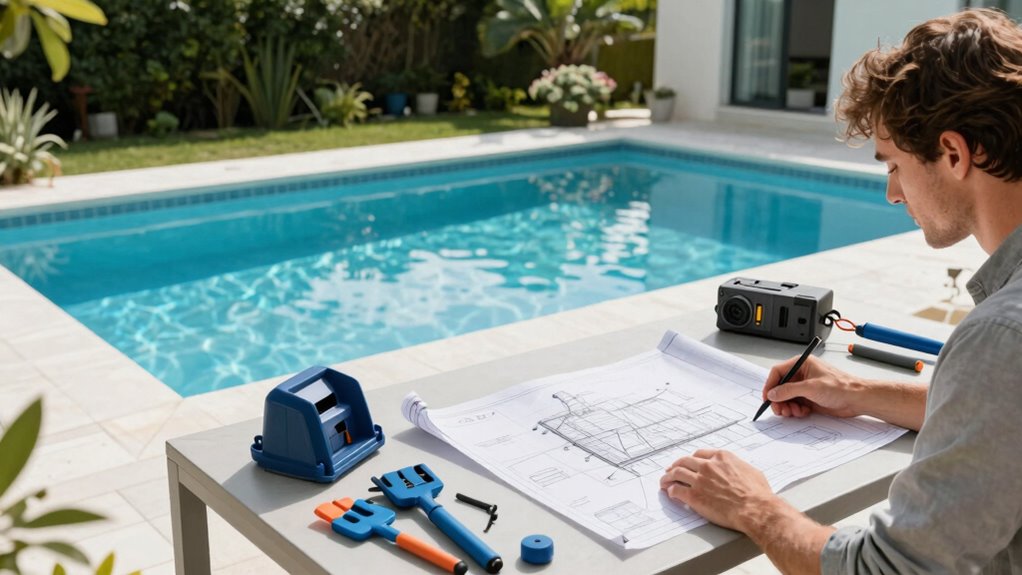
Are you wondering how to make the most of your pool purchase? The key lies in understanding the problems you want to solve first. When you start with clear priorities, your entire pool buying strategy becomes more effective, saving you time and money. It’s essential to think about pool maintenance from the beginning. Consider how much time and effort you’re willing to dedicate to keeping your pool clean and functional. If constant upkeep feels overwhelming, you might want to look into low-maintenance options or automated systems that reduce daily chores. Knowing your willingness and capacity for pool maintenance helps you choose the right type of pool, whether it’s an in-ground model that requires more upkeep or a smaller, above-ground pool that’s easier to manage. Additionally, understanding the necessary pool maintenance tasks can help you better prepare for ongoing responsibilities and costs. Being aware of environmental considerations can also influence your pool choices, especially if you want to minimize water and energy usage. Considering water chemistry and how it impacts both safety and longevity is also vital to maintaining a healthy pool environment. A comprehensive understanding of pool technology can help you select systems that align with your maintenance preferences and goals. Conducting thorough research on cost-effective solutions can further enhance your decision-making process. Budget planning is another critical step. Determine how much you’re willing to spend upfront and over the long term. A good pool buying strategy always starts with understanding your financial limits. This means not only considering the initial cost of the pool but also factoring in ongoing expenses like chemicals, filtration, covers, and regular maintenance. When you set a realistic budget, you avoid falling in love with a pool that’s beyond your means, which can lead to financial strain and dissatisfaction later on. Be honest about what you can afford and look for options that balance quality and affordability. Sometimes, spending a little more initially on a durable, well-designed pool pays off in the long run by reducing repair costs and maintenance headaches. As you plan, think about your lifestyle and how a pool fits into it. Will you be using it for exercise, relaxation, or entertaining guests? The purpose of your pool influences the size, features, and type you should buy. For example, if you want a pool primarily for family fun, you might prioritize safety features and a manageable size. If you’re looking for a luxurious retreat, investing in added features like a hot tub or waterfall might be worth it. Understanding your needs helps streamline your choices and aligns your purchase with your goals. Ultimately, a good pool buying strategy begins with identifying the problems you want to eliminate. Whether it’s reducing maintenance time, staying within budget, or enhancing your lifestyle, having clear goals guides your decisions. By approaching the process with a focus on these priorities, you’ll make smarter choices and enjoy your pool more fully without unnecessary stress or expense.
low maintenance above ground pool
As an affiliate, we earn on qualifying purchases.
As an affiliate, we earn on qualifying purchases.
Frequently Asked Questions
How Do I Determine the Right Pool Size for My Yard?
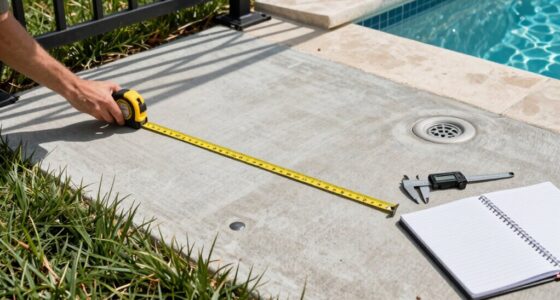
To determine the right pool size for your yard, start with a yard space assessment, measuring available area and considering how much space you want to dedicate to the pool. Think about pool size considerations like family needs, entertaining, and maintenance. Keep in mind that a larger pool requires more room and upkeep, so balance your desires with your yard’s dimensions. This way, you’ll choose a pool that fits comfortably and meets your lifestyle.
What Safety Features Should I Prioritize When Buying a Pool?
When buying a pool, prioritize safety features like a secure pool cover, fencing, and self-closing gates to enhance pool security. Look for pool safety devices such as alarms and non-slip surfaces around the pool area. These features help prevent accidents and unauthorized access. Ensuring your pool has proper safety measures gives you peace of mind, protecting your loved ones and creating a safer environment for everyone enjoying your new pool.
How Much Maintenance Does My Chosen Pool Require?
Your chosen pool requires regular maintenance, including frequent pool cleaning to keep debris out and guarantee clarity. You’ll also need to monitor and adjust the chemical balance regularly to prevent algae growth and maintain safe water quality. Depending on the type and size of your pool, maintenance might take a few hours weekly. Staying consistent with these tasks helps prolong your pool’s lifespan and keeps it safe and inviting for everyone.
Are There Specific Brands Known for Durability and Quality?
When it comes to durability and quality, certain brands stand out like beacons in a sea of options. You should look for pools made from high-quality materials like resin or steel, which are known for lasting longer. Brands with a solid reputation—such as Intex or Bestway—often deliver on durability because they prioritize top-tier pool materials. Trust their reputation, and you’ll find a pool that withstands time and elements, saving you hassle.
What Is the Average Cost of Installing a New Pool?
The average cost to install a new pool typically ranges from $28,000 to $55,000, depending on size and features. You might consider pool financing options to manage expenses better. Adding seasonal pool covers can extend the life of your investment and save money on maintenance. Keep in mind, costs vary based on your location, pool type, and extras, so getting multiple quotes is a smart move.
Conclusion
Remember, a successful pool buying strategy begins by identifying the problems you want to solve. Did you know that 70% of new pools face maintenance issues within the first year? By clarifying your needs upfront, you can choose a pool that fits your lifestyle and budget, avoiding costly mistakes. Stay focused on your goals, and you’ll enjoy a beautiful, hassle-free pool for years to come. Your perfect backyard oasis is just a smart decision away!
Fall Picks
fall essentials
As an affiliate, we earn on qualifying purchases.