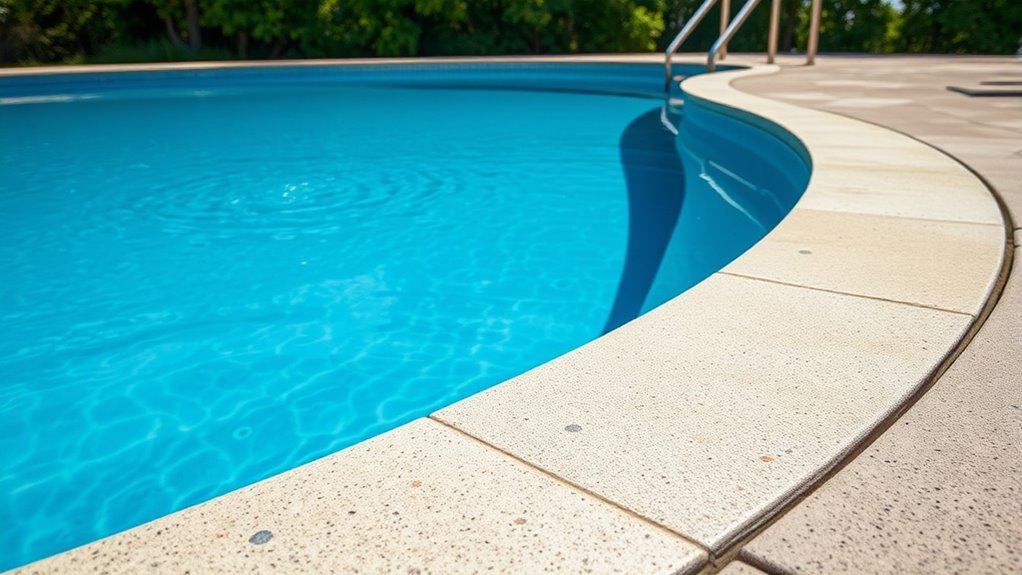
To understand your pool’s components, start with the shell, which holds water and needs regular inspection for cracks or leaks to keep your pool safe and clean. The deck surrounds the shell and should be slip-resistant, well-maintained, and free of debris. The coping caps the pool edge, preventing damage, while the equipment like pumps and filters ensure water quality and circulation. Knowing how these parts work helps you keep your pool in top condition—if you keep exploring, you’ll learn more to maintain your pool effectively.

Get pool and patio gear delivered free with Prime
- Fast, free delivery on millions of items
- Prime Video, Amazon Music and more included
- Member-only deals all year
Key Takeaways
- The pool shell is the main interior structure holding water, requiring regular inspection for cracks and wear.
- The pool deck surrounds the shell, providing a safe, slip-resistant surface for entry and exit.
- Pool coping caps the shell edge, protecting against water damage and debris entry, and needs periodic inspection.
- Pool equipment includes pumps, filters, and heaters that maintain water quality, temperature, and circulation.
- Proper maintenance of all components ensures safety, extends lifespan, and keeps the pool hygienic and inviting.

Whether you’re installing a new pool or maintaining an existing one, understanding its main components is essential for proper care and operation. Knowing the key parts helps you perform effective pool maintenance, which directly impacts pool safety. When you’re familiar with the shell, deck, coping, and equipment, you can spot issues early and prevent accidents or costly repairs.
Understanding pool components is key to safe, effective maintenance and early issue detection.
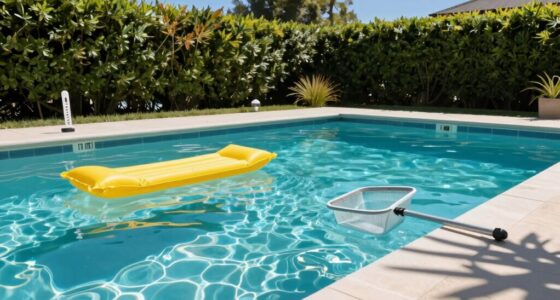
The shell is the core of your pool—its interior surface that holds the water. It’s typically made of concrete, fiberglass, or vinyl. Each material has different maintenance needs, but all require regular inspection to check for cracks, chips, or signs of wear. Keeping the shell in good condition ensures the water stays clean and safe for swimming. If the shell develops cracks or leaks, water loss can occur, and contaminants might enter, compromising pool safety. Regular cleaning and timely repairs are essential parts of pool maintenance, helping to extend the lifespan of the shell and keep the water hygienic.
Surrounding the shell is the deck, which provides a safe, slip-resistant area for entering and exiting the pool. The deck’s design should minimize tripping hazards and drainage issues. Proper maintenance involves cleaning debris, checking for loose or damaged tiles, and ensuring the surface remains even and secure. A well-maintained deck not only adds to the aesthetic appeal but also enhances pool safety by preventing accidents. When the deck is in good shape, you reduce the risk of slips and falls, especially around wet areas. Clear, algae-free surfaces make it easier to supervise swimmers and maintain a safe environment.
Coping is the material that caps the edge of the pool shell, creating a smooth, finished look and protecting the structure from water damage. It also helps prevent debris from falling into the pool. Properly installed and maintained coping makes cleaning easier and contributes to overall safety. Cracked or loose coping can create sharp edges or gaps that pose injury risks or allow dirt and water infiltration, which can damage the pool’s structure over time. Regular inspections and repairs of the coping are vital parts of ongoing pool maintenance, keeping the area safe for swimmers and preserving the integrity of your pool.
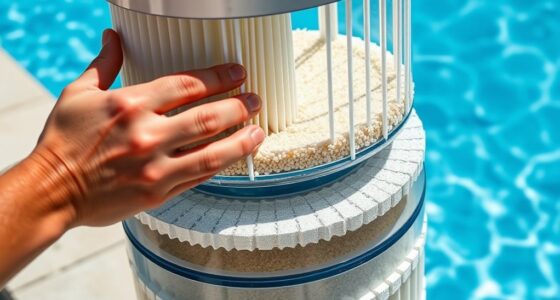
Finally, the pool’s equipment—including pumps, filters, heaters, and chlorinators—is critical for maintaining water quality, temperature, and circulation. This equipment ensures the pool remains clean, safe, and inviting. Regularly servicing your pool equipment not only prolongs its lifespan but also safeguards pool safety by preventing malfunctions that could lead to water contamination or equipment failure. Understanding how these components work together allows you to troubleshoot issues quickly and maintain a healthy, safe swimming environment.
As an affiliate, we earn on qualifying purchases.
Frequently Asked Questions
How Do I Choose the Right Pool Shell Material?
When choosing shell materials, prioritize pool shell durability to guarantee your pool lasts. Consider factors like climate, usage, and maintenance needs; concrete offers strength but requires more upkeep, while fiberglass provides smoothness and quick installation. Evaluate your budget and aesthetic preferences, then compare options based on longevity and resistance to cracking or staining. By carefully selecting the right shell material, you’ll enjoy a durable, low-maintenance pool tailored to your needs.
What Maintenance Is Required for Pool Coping?
You need to regularly inspect your pool coping for cracks, chips, or loose areas as part of pool coping maintenance. Clean it with a mild detergent and water, avoiding harsh chemicals that could damage the material. When selecting coping material, consider durability, appearance, and resistance to weather and water damage. Proper maintenance and choosing the right coping material help prolong its lifespan and keep your pool area safe and attractive.
How Does Deck Design Impact Pool Safety?
Your deck design shapes your pool’s safety like a sturdy shield. Incorporate pool fencing to keep kiddos secure and choose slip resistant surfacing to prevent slips and falls. A well-planned deck guides visitors safely around your pool, reducing hazards and creating a welcoming space. Thoughtful design isn’t just aesthetic; it’s your first line of defense, turning your pool into a safe haven for family fun and peace of mind.
What Types of Pool Equipment Are Energy-Efficient?
You can boost your pool’s energy efficiency by choosing equipment like energy-saving pumps that use less power while maintaining performance. Installing solar pool heaters helps you harness renewable energy, reducing reliance on traditional heating sources and lowering costs. These options not only save energy but also extend your swimming season. Opt for high-efficiency equipment to enjoy a more sustainable, cost-effective pool experience with less environmental impact.
How Can I Troubleshoot Common Pool Equipment Problems?
Did you know that improper pool equipment maintenance can increase energy costs by up to 50%? To troubleshoot common pool equipment problems, start with pool pump troubleshooting—check for strange noises or leaks, and make sure it’s properly wired. Also, perform regular filter maintenance; a dirty filter reduces circulation and strain on the pump. Clearing debris and replacing cartridges when needed keeps your system running smoothly and efficiently.
Conclusion
Now that you understand each pool component, you’re like a skilled captain steering your backyard oasis. Knowing the shell, deck, coping, and equipment helps you keep everything running smoothly, like the gears in a well-oiled machine. Think of your pool as a living entity—when you care for each part, it thrives and becomes your personal paradise. With this knowledge, you’re ready to keep your pool shining bright, turning it into a sparkling jewel in your backyard crown.
Columbus Day / Indigenous Peoples' Day Picks
long weekend sales
As an affiliate, we earn on qualifying purchases.