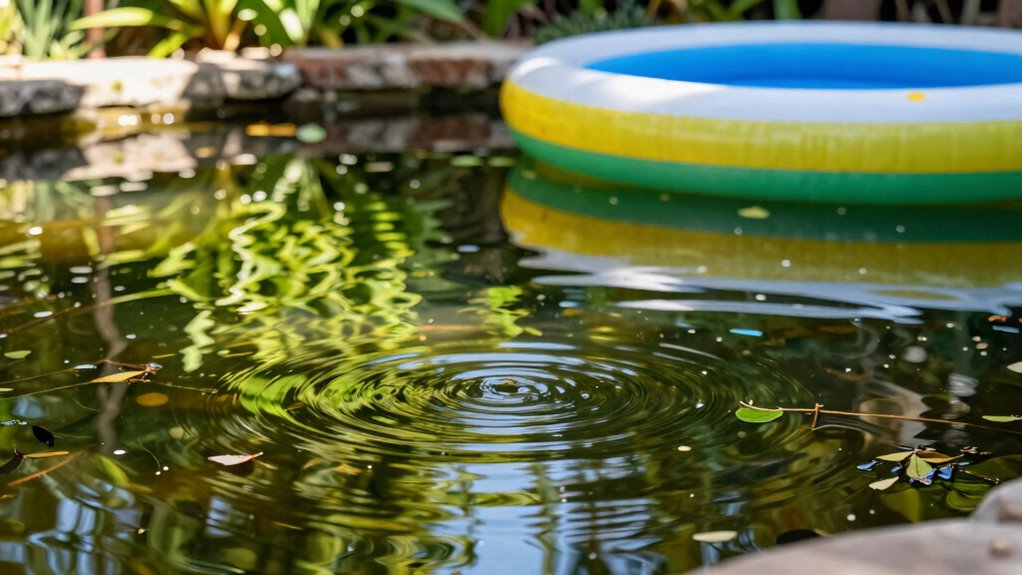

Many people believe drowning risks come only from deep water or unguarded pools, but the real danger is often in quiet, seemingly safe spots like bathtubs or unattended pools. These areas can turn deadly in moments, especially when supervision lapses, and drownings happen silently, without warning. It’s easy to overlook these hidden dangers, but understanding them is key. Keep going to discover more about how to protect loved ones from these overlooked risks.

Get pool and patio gear delivered free — and shop member deals
- Fast, free delivery on millions of items
- Access to Prime Big Deal Days deals on October 6–7
- Prime Video, Amazon Music and more included
Key Takeaways
- Silent drownings often occur in seemingly safe, shallow areas like bathtubs and home pools.
- Lack of supervision and quick moments of inattention are major factors in overlooked drowning risks.
- Drowning can happen instantly without noise, making it easy to miss in everyday environments.
- Safety devices and barriers are crucial, even in familiar or low-risk water settings.
- Awareness that dangers exist beyond deep water helps prevent accidents in shallow or overlooked areas.
Many people focus on pools and open water when thinking about drowning risks, but one danger often goes unnoticed: bathtub drownings. It might seem unlikely, but tragically, young children are often the silent swimmers in these small, seemingly safe spaces. Bathtubs are accessible and appear harmless, yet they can turn deadly in a matter of moments. You might assume that supervision and common sense are enough, but accidents happen quickly, especially when children are left unattended. The risk isn’t just about the water’s depth—it’s about the lack of awareness and constant vigilance.
Silent swimmers are a real concern in these situations. Unlike open water or large pools, where safety barriers and lifeguards are in place, bathtubs lack protective measures. Children can slip or fall in, and because they’re often too young to call for help, they may drown silently without anyone noticing immediately. This makes bathtub drownings particularly heartbreaking—they often happen quietly and swiftly, with no loud splashes or screams to alert you. It’s a tragic reminder that even the most seemingly innocuous water sources can pose serious risks.
Children can drown silently in bathtubs without warning or noise. Constant supervision is essential.
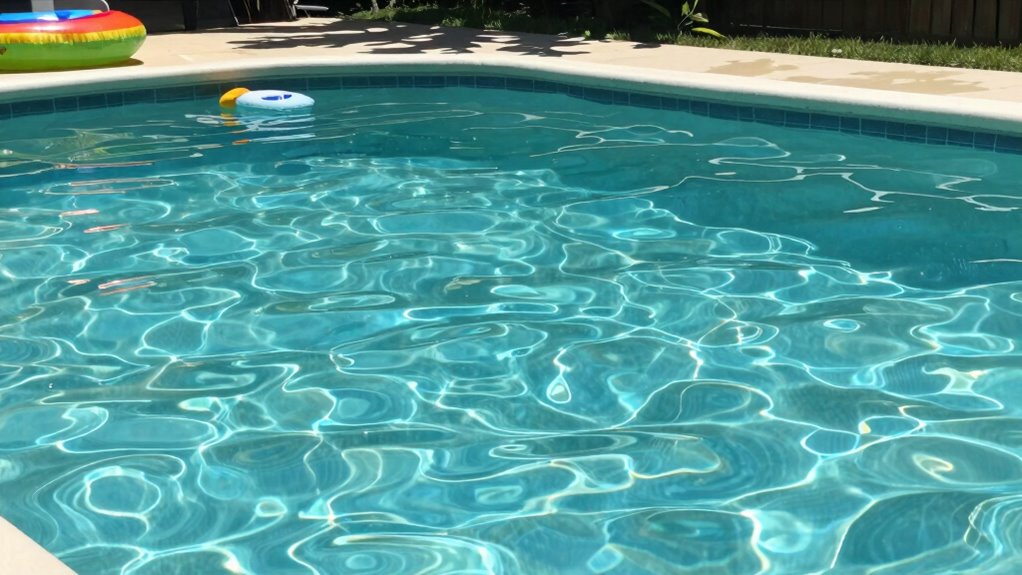
Unsupervised pools are another overlooked danger. Many parents and caregivers assume that once a child is in a shallow pool or a backyard pool, they’re safe as long as they’re within sight. But supervision can lapse, and even a few moments of distraction can be enough for an accident. Small children are curious and unpredictable; they might slip into the water unnoticed if you’re distracted or if the pool area isn’t properly secured. Fences, alarms, and constant supervision are critical, yet they’re often overlooked or underestimated as preventative measures. Recognizing child water safety is essential for preventing these tragedies.
What’s more, many drownings happen in places people consider safe, like their own homes. You may think that since you’re just running to answer the phone or grab something in the kitchen, your child is safe in the bathroom. But accidents can happen in the blink of an eye. Drowning risks in bathtubs and unsupervised pools aren’t about the water’s depth—they’re about moments of inattention and the silent nature of these tragedies. Staying alert, never leaving children unattended near water, and installing safety devices can markedly reduce these risks. It’s essential to remember that the most overlooked drowning dangers aren’t always the deep ends or open waters—they’re the silent swimmers in places you think are safe. Recognizing the water safety risks in all environments is crucial for prevention.
bathtub safety lock for children
As an affiliate, we earn on qualifying purchases.
As an affiliate, we earn on qualifying purchases.
Frequently Asked Questions
How Can I Identify Hidden Drowning Hazards at Home?
To identify hidden hazards at home, you should thoroughly inspect areas where water can unexpectedly enter, like sinks, bathtubs, and toilets. Check for unsecured buckets, open water containers, or unused pools that kids might access. Make sure drains and water entry points are secure and covered. Regularly monitor these spots, especially in seldom-used spaces, to prevent accidental water entry that could lead to drowning risks you might overlook.
What Safety Equipment Is Most Effective in Shallow Water?
Think of water resistant gear and flotation devices as your first line of defense in shallow water. You should always have a reliable life jacket or floatation device nearby, especially for children or weak swimmers. Water resistant gear, like waterproof watches or shoes, keeps you alert and prepared. These tools act as safety anchors, preventing accidents and giving you peace of mind while enjoying shallow water activities.
Are There Specific Risks for Non-Swimmers Around Water?
Yes, non-swimmers face silent hazards and unseen dangers around water. They might not recognize risks like sudden slips, weak edges, or unexpected currents, which can lead to accidents. Without proper skills or supervision, they often underestimate these dangers, increasing their chance of drowning. Stay vigilant, avoid risky areas, and always keep non-swimmers within arm’s reach or under supervision to prevent these hidden threats from turning tragic.
How Does Adult Supervision Differ From Child Supervision?
Supervision standards and responsibility expectations differ markedly between adults and children. As an adult, you must actively observe, anticipate, and intervene promptly to prevent accidents, maintaining constant vigilance. For children, supervision requires more intensive involvement—keeping them within arm’s reach, setting clear boundaries, and enforcing safety rules. You’re responsible for creating a secure space, ensuring they understand water dangers, and staying alert at all times to avoid overlooked risks.
What Are Common Misconceptions About Drowning Risks?
Many people mistakenly believe drowning only happens in deep water or during risky activities. In reality, it can occur in shallow areas or when you least expect it. Aquatic wildlife or poor water quality can also increase dangers, making you less aware of risks. You might overlook these hazards, but staying vigilant and respecting all water environments helps prevent accidents. Always supervise closely, even in seemingly safe spots.
Conclusion
Remember, the shallow end isn’t always safe—sometimes, it’s just the surface of a hidden current. Like a silent tide, unnoticed dangers lurk beneath calm waters, ready to pull you under when you least expect it. Stay vigilant, for safety isn’t just about avoiding the deep—it’s about understanding every ripple and shadow that could lead you astray. Keep your guard up, and never let complacency be the tide that pulls you under.
Halloween Picks
halloween
As an affiliate, we earn on qualifying purchases.